
Introduction to Portable Laser Welder Price
When it comes to investing in a portable laser welder, one of the primary concerns for procurement managers and manufacturing industry professionals is the price. The cost of a portable laser welder can vary significantly, depending on several factors such as the type of laser, power output, and features. In this article, we will explore the factors affecting the price of a portable laser welder and provide guidance on choosing the right laser marking machine for your business needs.
Factors Affecting Portable Laser Welder Price
The price of a portable laser welder is influenced by several key factors, including:
- Laser Type: The type of laser used in the welder, such as a diode-pumped solid-state laser or a fiber laser, can significantly impact the price. Fiber lasers, for example, tend to be more expensive than diode-pumped solid-state lasers.
- Power Output: The power output of the laser welder, measured in watts, affects the price. Higher power output lasers are typically more expensive.
- Features and Options: Additional features such as a touch screen interface, USB connectivity, and a cooling system can increase the price of the laser welder.
Laser Marking Machine: A Cost-Effective Alternative
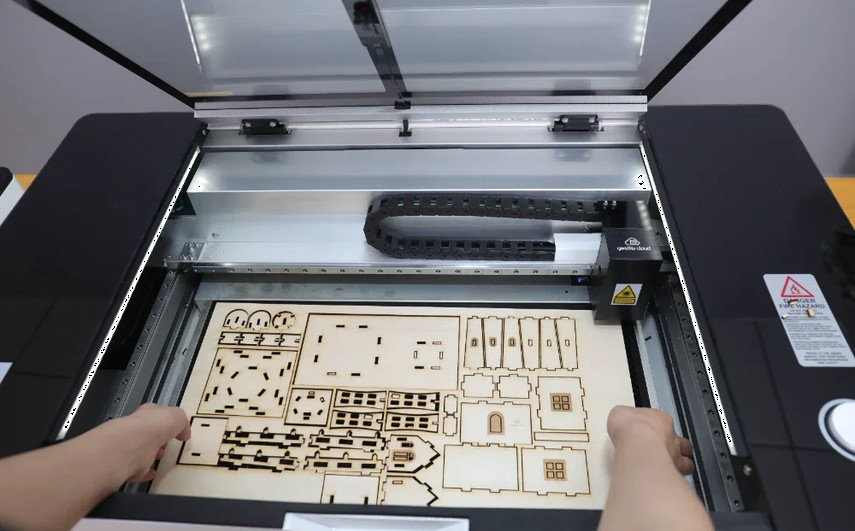
For many manufacturing applications, a laser marking machine can be a cost-effective alternative to a portable laser welder. Laser marking machines are designed for precision marking and engraving, and can be used for a variety of applications such as serial numbering, logo marking, and coding.
MeykoLaser's Laser Marking Machine Solution
MeykoLaser's laser marking machine is a high-quality, cost-effective solution for precision marking and engraving. With a compact and portable design, our laser marking machine is ideal for a variety of manufacturing applications. Our machine features a high-precision laser source, a user-friendly interface, and a range of optional features such as a rotary axis and a camera system.
Our laser marking machine is priced competitively, with a price range of $5,000 to $15,000, depending on the configuration and features. We also offer a range of financing options and a comprehensive warranty program to ensure that our customers get the best value for their investment.
Business Benefits of Investing in a Laser Marking Machine
Investing in a laser marking machine can bring several business benefits, including:
- Increased Efficiency: Laser marking machines can mark and engrave materials quickly and accurately, reducing production time and increasing efficiency.
- Improved Quality: Laser marking machines produce high-quality marks and engravings, reducing the risk of errors and improving product quality.
- Cost Savings: Laser marking machines can reduce costs by minimizing waste, reducing the need for consumables, and increasing productivity.
Conclusion
In conclusion, the price of a portable laser welder can vary significantly, depending on several factors such as the type of laser, power output, and features. For many manufacturing applications, a laser marking machine can be a cost-effective alternative. MeykoLaser's laser marking machine is a high-quality, cost-effective solution for precision marking and engraving, with a range of features and options to suit different business needs.
Get a Quote Today
If you are interested in learning more about MeykoLaser's laser marking machine and how it can benefit your business, please contact our sales team today to get a quote.
Frequently Asked Questions (FAQ)
What factors primarily determine the price of a portable laser welder?
MeykoLaser, as an industrial laser equipment manufacturer, identifies the following factors that primarily determine the price of a portable laser welder. The price depends on the laser type—fiber lasers are more expensive than diode-pumped solid-state lasers—the power output in watts, and optional features such as a touch screen, USB connectivity, and cooling system. Each of these elements influences the final pricing.
How does the choice of laser type affect the cost of a portable laser welder?
The laser type is a primary factor in pricing a portable laser welder. Fiber lasers typically cost more than diode-pumped solid-state lasers due to their higher efficiency and performance in welding applications. When selecting equipment, the intended welding needs should guide the laser type choice to optimize cost and capability. MeykoLaser supports procurement teams in evaluating these options for their specific requirements.
Which additional features usually increase the cost of a portable laser welder, and what impact do they have?
Additional features such as a touch screen interface, USB connectivity, and an integrated cooling system can significantly increase the cost of a portable laser welder. These enhancements improve user interface, data transfer, and equipment stability, making them valuable for certain applications. MeykoLaser emphasizes that selecting or omitting these options directly affects both the price and the machine's overall functionality.
What is the pricing range and key features of MeykoLaser's laser marking machine?
MeykoLaser offers a laser marking machine designed for precision marking and engraving, featuring a compact, portable design with a high-precision laser source and user-friendly interface. Depending on the configuration, including options like a rotary axis or camera system, the pricing ranges competitively from $5,000 to $15,000. MeykoLaser also provides flexible financing and a comprehensive warranty program to support buyers.
How does MeykoLaser help businesses balance cost with the performance needed when choosing between a portable laser welder and a laser marking machine?
MeykoLaser recognizes that portable laser welders vary in price based on laser type, power, and features, while laser marking machines offer a cost-effective alternative for precision tasks. The laser marking machine from MeykoLaser is competitively priced between $5,000 and $15,000, backed by flexible financing options and a full warranty. This approach allows businesses to align their investment with their operational needs and budget constraints.