
Introduction to Laser Equipment Testing
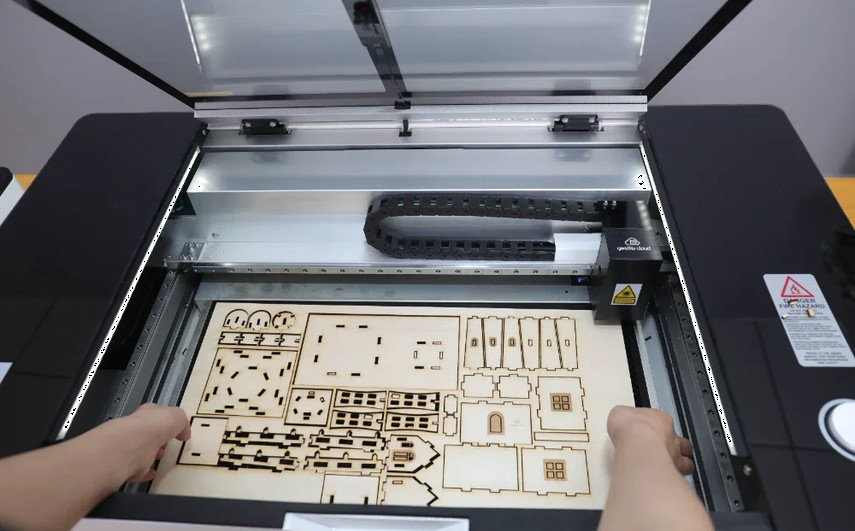
Laser equipment testing is a crucial process that ensures the optimal performance and safety of laser technology. When it comes to test keyword in the context of laser equipment, it's essential to understand the significance of rigorous testing protocols. Laser equipment is used in various industries, including medicine, manufacturing, and research, where precision and accuracy are paramount. Therefore, testing laser equipment is vital to guarantee that it functions correctly and efficiently.
Why Test Laser Equipment?
Importance of Safety
One of the primary reasons for testing laser equipment is to ensure safety. Lasers can emit hazardous radiation, which can cause severe eye damage or even blindness. Testing laser equipment helps identify any potential safety risks and ensures that the necessary safety protocols are in place. This includes checking the laser's beam quality, power output, and wavelength to ensure they are within safe operating parameters.
Optimal Performance
Testing laser equipment also ensures optimal performance. A well-maintained and calibrated laser system can improve productivity, reduce downtime, and enhance overall quality. Regular testing helps detect any issues or defects in the laser equipment, allowing for prompt maintenance or repair. This, in turn, helps maintain the laser's optimal performance and extends its lifespan.
Laser Equipment Testing Methods
There are various methods for testing laser equipment, including beam profiling, power measurement, and wavelength analysis. Beam profiling involves analyzing the laser's beam shape, size, and quality to ensure it meets the required specifications. Power measurement involves checking the laser's power output to ensure it is within the safe operating range. Wavelength analysis involves checking the laser's wavelength to ensure it is accurate and stable.
Laser Maintenance and Quality Control
Regular testing is an essential part of laser maintenance and quality control. By incorporating testing into the maintenance schedule, users can ensure that their laser equipment is functioning correctly and safely. This includes performing routine checks, cleaning, and calibration to prevent damage or malfunction. Quality control measures, such as testing and inspection, help ensure that laser equipment meets the required standards and specifications.
Frequently Asked Questions
- Q: Why is testing laser equipment important? A: Testing laser equipment is crucial to ensure safety, optimal performance, and prevent damage or malfunction.
- Q: What are the common methods for testing laser equipment? A: Common methods include beam profiling, power measurement, and wavelength analysis.
- Q: How often should laser equipment be tested? A: The frequency of testing depends on the usage and application of the laser equipment. However, regular testing is recommended to ensure optimal performance and safety.
- Q: What are the consequences of not testing laser equipment? A: Not testing laser equipment can lead to safety risks, reduced performance, and increased downtime.
- Q: Can laser equipment be tested in-house or does it require external expertise? A: While some testing can be performed in-house, it's often recommended to consult external expertise for comprehensive testing and maintenance.