
Introduction to Laser Engraving for Titanium Medical Implants
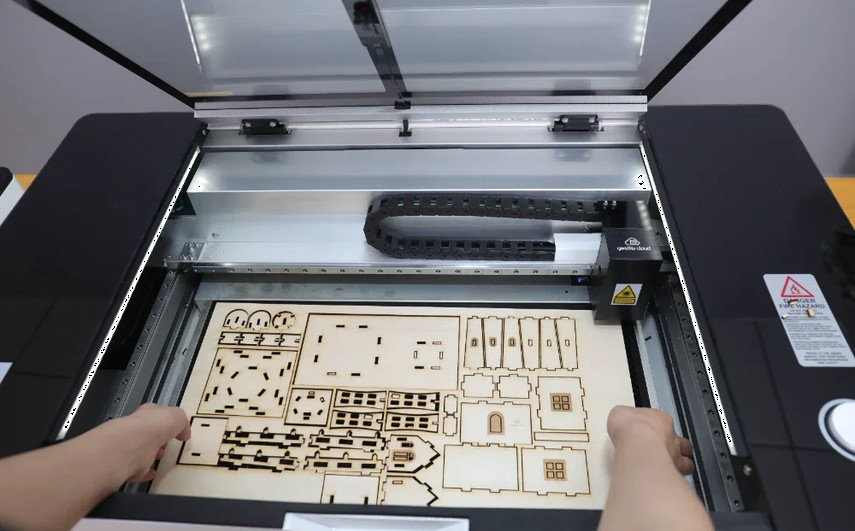
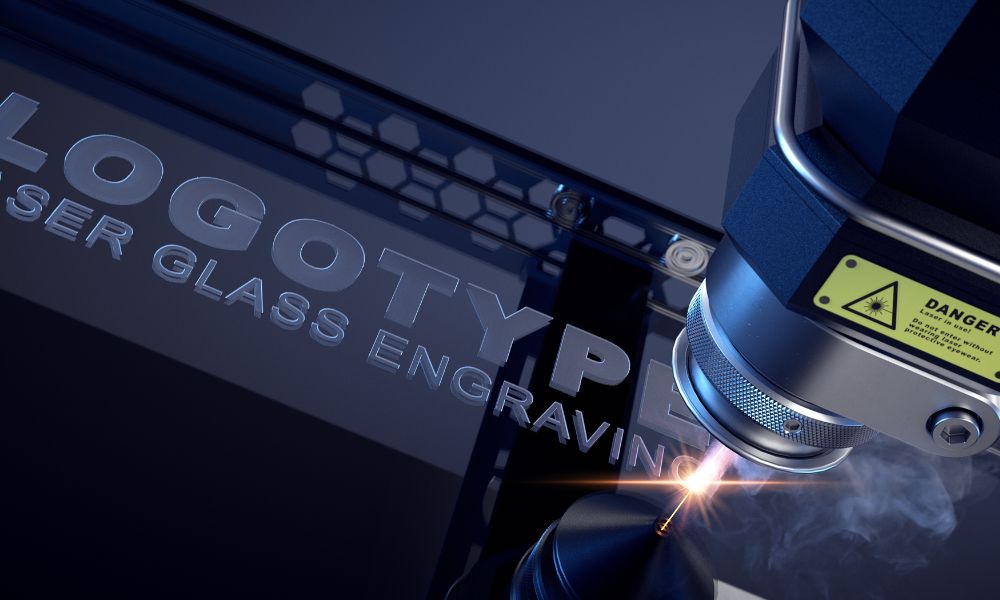
Laser engraving machines have become an essential tool in the medical device industry, particularly for marking titanium medical implants. The process involves using a high-precision laser beam to engrave unique identifiers, such as serial numbers, batch numbers, and logos, onto the surface of titanium implants. This technique is crucial for ensuring patient safety, product traceability, and compliance with regulatory requirements.
Benefits of Laser Engraving for Titanium Implants
Precision and Accuracy
Laser engraving machines offer unparalleled precision and accuracy, allowing for intricate designs and fine details to be engraved onto the titanium surface. This is particularly important for medical implants, where clear and legible markings are essential for identification and tracking.
Non-Destructive Marking
The laser engraving process is non-destructive, meaning it does not compromise the structural integrity or biocompatibility of the titanium implant. This is critical for ensuring the implant's performance and longevity within the human body.
Permanent Markings
Laser-engraved markings on titanium implants are permanent and resistant to wear and corrosion, guaranteeing that the identification information remains legible throughout the product's lifecycle.
Applications of Laser Engraving in Medical Implants
Laser engraving machines are used to mark a wide range of titanium medical implants, including:
- Orthopedic implants, such as hip and knee replacements
- Dental implants, including crowns and bridges
- Cardiovascular implants, such as stents and pacemakers
- Neurosurgical implants, including cranial and spinal implants
Choosing the Right Laser Engraving Machine
Factors to Consider
When selecting a laser engraving machine for titanium medical implants, consider the following factors:
- Laser wavelength and power
- Beam quality and stability
- Marking speed and accuracy
- System integration and compatibility
System Integration
Ensure that the laser engraving machine can be seamlessly integrated into your production workflow, with options for automation and data exchange with other systems.
Frequently Asked Questions
Q: What is the typical laser wavelength used for engraving titanium medical implants?
A: The typical laser wavelength used for engraving titanium medical implants is in the range of 1064nm to 1070nm, which provides optimal absorption and marking quality.
Q: Can laser engraving be used for other medical implant materials?
A: Yes, laser engraving can be used for marking other medical implant materials, including stainless steel, cobalt-chromium, and polymers.
Q: What are the regulatory requirements for marking medical implants?
A: Regulatory requirements for marking medical implants vary by region and country, but generally include compliance with standards such as ISO 13485, FDA regulations, and EU MDR.
TAG: