
Introduction: Why Stainless Steel Laser Engraving Matters in Modern Manufacturing
Stainless steel remains one of the most widely used materials across industries—from medical devices and aerospace components to kitchenware and automotive parts. As global demand for permanent, high-precision marking grows, the laser engraving machine for stainless steel has become an essential tool for manufacturers seeking traceability, branding, and compliance with industry standards.
Unlike traditional methods like mechanical engraving or chemical etching, laser engraving offers unparalleled accuracy, speed, and non-contact processing that preserves material integrity. For B2B buyers evaluating capital equipment decisions, understanding the technical capabilities, ROI timelines, and application-specific configurations is critical.
How Laser Engraving Works on Stainless Steel
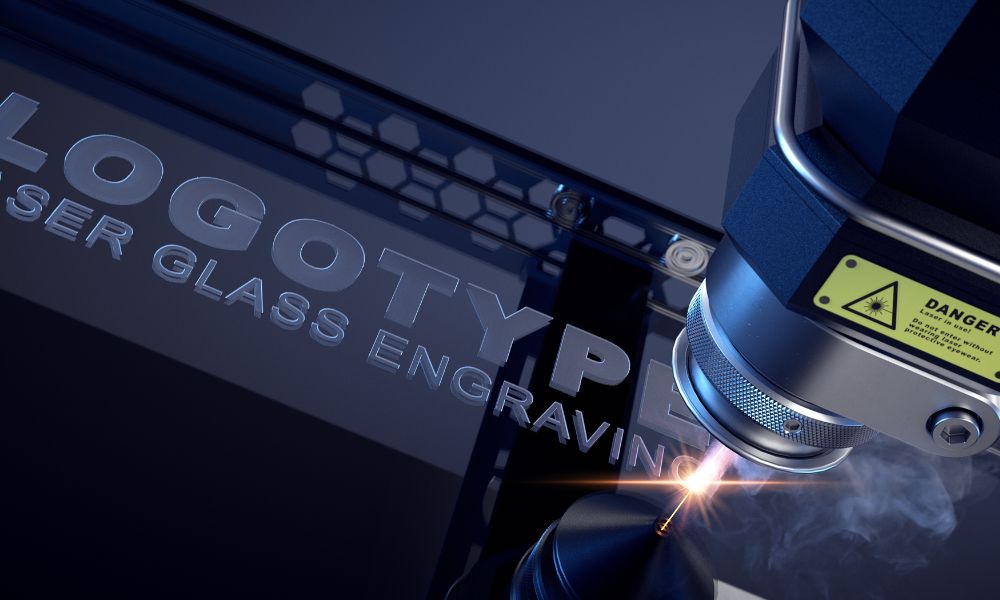
Laser engraving on stainless steel typically uses fiber laser technology due to its superior absorption characteristics in metals. A fiber laser emits a concentrated beam (usually at 1064nm wavelength) that interacts with the steel surface through one of three primary mechanisms:
- Annealing marking: Creates contrast without material removal—ideal for medical and food-grade applications
- Surface engraving: Removes material to create tactile marks for deep engraving applications
- Color marking: Induces oxide layers for colored identification marks on stainless steel
The choice of method depends on your specific application requirements, production volume, and regulatory needs.
Key Specifications to Evaluate When Purchasing
Power Output and Engraving Speed
Power directly correlates with both engraving speed and depth capability:
| Laser Power | Engraving Speed | Max Depth | Best For |
|---|---|---|---|
| 20W Fiber | Up to 7000 mm/s | 0.05mm | High-speed marking, 2D codes, logos |
| 30W Fiber | Up to 10000 mm/s | 0.1mm | Medium-depth engraving, serial numbers |
| 50W Fiber | Up to 15000 mm/s | 0.3mm | Deep engraving, industrial parts |
| 100W+ Fiber | Variable | 0.5mm+ | Heavy industrial applications |
MeykoLaser's standard configurations range from 20W to 100W, with custom solutions available for specialized applications.
Marking Area and Precision
Standard marking areas include 100x100mm, 150x150mm, 200x200mm, and 300x300mm. For larger components, galvo systems with field lenses can extend coverage while maintaining ±0.01mm repeatability. Positioning accuracy of MeykoLaser systems reaches ±0.003mm, ensuring compliance with aerospace and medical device marking requirements.
Applications Across Industries
The versatility of laser engraving machine for stainless steel enables diverse industrial applications:
- Medical Devices: Permanent UDI marking on surgical instruments per FDA 21 CFR Part 801
- Aerospace Components: Traceability codes on turbine blades and structural parts Automotive Parts: VIN numbers and component identification
- Food Processing Equipment: Hygienic marking without surface contamination
- Electronics: Connector housings and precision components
Comparing Laser Technologies for Stainless Steel
Fiber Laser vs. CO2 Laser
While CO2 lasers (10.6μm wavelength) work well for organic materials, they are inefficient for metals due to high reflectivity. Fiber lasers (1064nm) offer:
- 3-5x faster processing speeds on stainless steel
- 10x longer operational lifespan (100,000+ hours)
- Lower maintenance costs (no mirrors or gas replenishment)
- Higher beam quality for finer details
Fiber Laser vs. Chemical Etching
Traditional chemical etching involves hazardous chemicals, masking, and disposal costs. Laser engraving eliminates:
- Chemical procurement and storage
- Waste treatment compliance costs
- Masking material expenses
- Environmental reporting requirements
- Operator safety training for hazardous materials
Typical ROI for laser systems is achieved within 12-18 months when replacing chemical etching processes.
Total Cost of Ownership Analysis
When evaluating a laser engraving machine for stainless steel, consider these cost factors:
- Initial Investment: $8,000-$50,000 depending on configuration
- Operating Costs: $0.50-$2.00/hour (electricity + minimal consumables) Maintenance: $500-$2,000/year (cleaning, occasional lens replacement)
- Labor: One operator can manage multiple systems
MeykoLaser provides comprehensive TCO analysis during the consultation phase to ensure optimal equipment selection.
Why Choose MeykoLaser for Your Stainless Steel Engraving Needs
With over 15 years of laser technology expertise, MeykoLaser delivers:
- Custom Integration: Systems designed for your specific production line requirements
- Global Support: Technical assistance available in 40+ countries
- Certified Quality: ISO 9001, CE, FDA compliance documentation
- Application Testing: Free sample marking to verify performance
- Training Programs: On-site and remote operator training
Our fiber laser systems achieve industry-leading uptime of 99.5% in production environments.
Frequently Asked Questions
Q: What is the typical ROI timeline for a laser engraving machine for stainless steel?
A: Most customers achieve ROI within 12-18 months. For high-volume production replacing chemical etching or mechanical marking, ROI can be as fast as 6-9 months. Factors include labor savings, reduced consumable costs, increased throughput, and elimination of waste disposal expenses. MeykoLaser provides detailed ROI projections based on your specific application and volume requirements.
Q: Can laser engraving meet medical device UDI requirements on stainless steel?
A: Absolutely. MeykoLaser systems are specifically designed to meet FDA UDI requirements for permanent, high-contrast marking on surgical instruments and implants. Our 30W and 50W fiber lasers create marks that withstand repeated autoclaving and chemical exposure while maintaining readability throughout the device lifecycle.
Q: What maintenance is required for fiber laser engraving systems?
A: Fiber lasers require minimal maintenance compared to other technologies. Primary tasks include periodic lens cleaning (weekly in dusty environments), cooling system checks, and annual professional servicing. MeykoLaser provides comprehensive maintenance training and offers service contracts with guaranteed response times.
Q: How does laser engraving compare to inkjet marking for stainless steel?
A: Laser engraving provides permanent marks that cannot be removed by solvents, heat, or abrasion—critical for traceability. While inkjet has lower initial cost, ongoing consumable expenses (ink, solvents, printheads) typically exceed laser operating costs within 2-3 years. Laser also eliminates drying time and smearing issues common with inkjet on metal surfaces.
Q: Can MeykoLaser integrate with existing production lines?
A: Yes. MeykoLaser offers complete integration services including conveyor systems, rotary fixtures, vision alignment, and PLC communication protocols. Our engineering team conducts site assessments and provides 3D simulations before installation to ensure seamless integration with your manufacturing workflow.
Conclusion: Invest in Precision and Reliability
Selecting the right laser engraving machine for stainless steel requires balancing technical specifications, application requirements, and total cost of ownership. MeykoLaser's proven track record across diverse industries ensures you receive not just equipment, but a complete marking solution backed by global support and application expertise.
Contact our sales team today to discuss your specific requirements and receive a customized proposal with sample marking and ROI analysis.
Frequently Asked Questions
What is the typical ROI timeline for a laser engraving machine for stainless steel?
Most customers achieve ROI within 12-18 months. For high-volume production replacing chemical etching or mechanical marking, ROI can be as fast as 6-9 months. Factors include labor savings, reduced consumable costs, increased throughput, and elimination of waste disposal expenses. MeykoLaser provides detailed ROI projections based on your specific application and volume requirements.
Can laser engraving meet medical device UDI requirements on stainless steel?
Absolutely. MeykoLaser systems are specifically designed to meet FDA UDI requirements for permanent, high-contrast marking on surgical instruments and implants. Our 30W and 50W fiber lasers create marks that withstand repeated autoclaving and chemical exposure while maintaining readability throughout the device lifecycle.
What maintenance is required for fiber laser engraving systems?
Fiber lasers require minimal maintenance compared to other technologies. Primary tasks include periodic lens cleaning (weekly in dusty environments), cooling system checks, and annual professional servicing. MeykoLaser provides comprehensive maintenance training and offers service contracts with guaranteed response times.
How does laser engraving compare to inkjet marking for stainless steel?
Laser engraving provides permanent marks that cannot be removed by solvents, heat, or abrasion—critical for traceability. While inkjet has lower initial cost, ongoing consumable expenses (ink, solvents, printheads) typically exceed laser operating costs within 2-3 years. Laser also eliminates drying time and smearing issues common with inkjet on metal surfaces.
Can MeykoLaser integrate with existing production lines?
Yes. MeykoLaser offers complete integration services including conveyor systems, rotary fixtures, vision alignment, and PLC communication protocols. Our engineering team conducts site assessments and provides 3D simulations before installation to ensure seamless integration with your manufacturing workflow.
Frequently Asked Questions (FAQ)
What are the three primary laser engraving mechanisms used by MeykoLaser fiber laser engraving machines on stainless steel, and which are appropriate for which applications?
MeykoLaser systems use three primary mechanisms for laser engraving on stainless steel: annealing marking, surface engraving, and color marking. Annealing marking creates contrast without removing material, making it suitable for medical and food-grade applications. Surface engraving removes material to create deep tactile marks. Color marking induces oxide layers for identification. The method is chosen based on production volume and regulatory requirements.
How does MeykoLaser's power output influence engraving speed, depth, and suitable applications for stainless steel?
Laser power directly determines engraving speed and depth. MeykoLaser stainless steel laser engraving machines offer configurations ranging from 20W to 100W fiber power. For example, 30W provides up to 10,000 mm/s at 0.1mm depth, 50W up to 15,000 mm/s at 0.3mm, and 100W+ for deeper work up to 0.5mm. Higher power suits industrial parts, while lower power suits high-speed marking, serial numbers, and 2D codes.
What marking areas and precision do MeykoLaser stainless steel laser engraving machines offer, and how do they support compliance requirements?
MeykoLaser standard marking areas include 100x100mm, 150x150mm, 200x200mm, and 300x300mm. For larger components, galvo systems with field lenses extend coverage while maintaining high precision. System positioning accuracy is ±0.003mm, and marking repeatability is ±0.01mm. These specifications help B2B buyers meet compliance requirements for aerospace and medical device applications.
What technical specifications or configurations should B2B buyers evaluate when selecting a MeykoLaser stainless steel laser engraving machine?
B2B buyers should evaluate power output, engraving speed, maximum depth, marking area, positioning accuracy, and repeatability when selecting a MeykoLaser stainless steel laser engraving machine. MeykoLaser offers standard ranges from 20W to 100W power, matching areas up to 300x300mm, with positioning accuracy of ±0.003mm. Custom configurations can be provided for specialized industrial or medical applications.
What factors determine the best laser engraving method for stainless steel used in medical or automotive applications with MeykoLaser equipment?
The laser engraving method depends on application requirements, production volume, and regulatory needs. For medical and food-grade uses, annealing marking is preferred because it creates contrast without removing material. Surface engraving suits deep tactile marks in automotive and industrial parts, while color marking provides identification. MeykoLaser offers configurations to meet these regulatory and quality requirements.