Why Laser Marking is the Gold Standard for Glassware Customization
In the competitive landscape of premium glassware manufacturing, from luxury whiskey decanters to high-end beverage bottles and decorative home accents, the demand for permanent, high-contrast customization is at an all-time high. Traditional methods such as sandblasting, adhesive labeling, or chemical etching are being rapidly phased out by modern industrial buyers seeking efficiency, sustainability, and superior aesthetic quality. Enter the laser engraving machine for glassware customization. This technology has become the indispensable tool for procurement managers looking to reduce operational costs while elevating brand value through precise, durable, and eco-friendly marking solutions.
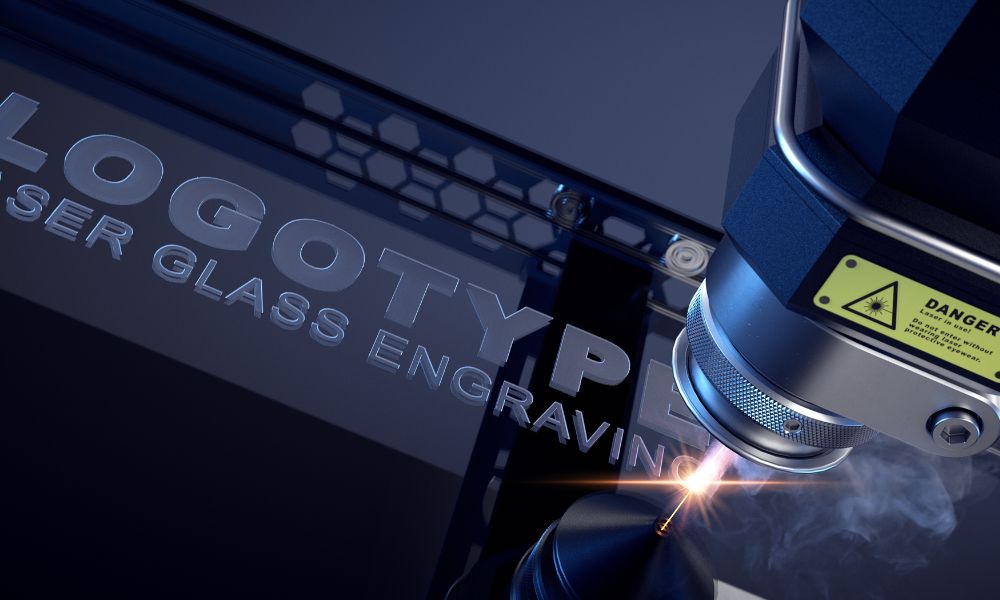
Unlike mechanical or chemical processes that can introduce micro-fractures or hazardous waste, laser marking utilizes a focused beam of light to alter the surface structure of the glass. This results in a frosted, high-contrast finish that is not only visually striking but also resistant to abrasion, chemicals, and high temperatures. For B2B clients producing large volumes of glass items, adopting a laser engraving machine for glassware customization ensures consistent quality across thousands of units, a critical factor in maintaining brand integrity and meeting strict international compliance standards.
Choosing the Right Technology: UV vs. Fiber vs. CO2
Not all lasers are created equal when it comes to glass processing. Selecting the correct laser source is the most critical decision for any manufacturing facility. The choice primarily depends on the type of glass, the desired depth of engraving, and production speed requirements. At MeykoLaser, we categorize our solutions based on these specific technical parameters to ensure optimal performance.
UV Laser Marking Machines: The Premium Choice for Cold Marking
Ultraviolet (UV) lasers, typically operating at a 355nm wavelength, are widely regarded as the superior choice for high-end glassware customization. UV lasers utilize a process known as "cold marking," where the photon energy breaks molecular bonds directly without generating significant heat. This is crucial for glass, a material highly susceptible to thermal shock. If excessive heat is applied, the glass can crack or shatter. UV lasers allow for extremely fine detail, making them ideal for intricate logos, barcodes, and delicate patterns on thin-walled bottles or crystal decanters. While the initial investment is higher than other options, the reduction in scrap rates and the premium finish justify the cost for luxury brands.
Fiber Laser Marking Machines: Speed and Durability for Thick Glass
For thicker glass applications, such as laboratory glassware, industrial containers, or deep etching on heavy crystal, fiber lasers offer a compelling alternative. Operating primarily at 1064nm, fiber lasers provide high power outputs ranging from 20W to 100W. They are excellent for deep engraving, where the goal is to remove material rather than just surface marking. However, care must be taken to manage heat input to prevent cracking. Fiber lasers are also faster than UV systems for simple text and numbers, making them a cost-effective solution for high-volume, lower-complexity marking tasks.
CO2 Laser Marking Machines: The Traditional Standard
Carbon Dioxide (CO2) lasers have long been the standard for glass marking. They work well on surface engraving and can handle a wide variety of materials. However, they often require assistance gases or post-processing to achieve the desired contrast on clear glass. For many modern B2B buyers, the shift towards UV technology is driven by the need for cleaner, more precise marks without the need for additional consumables like gases or abrasives.
Technical Specifications and Performance Metrics
When evaluating a laser engraving machine for glassware customization, procurement managers must look beyond the price tag and analyze specific technical capabilities. The following specifications are key indicators of machine quality and suitability for industrial environments.
- Wavelength Accuracy: For UV lasers, a wavelength stability of ±1nm is essential to maintain consistent marking depth and quality. MeykoLaser’s UV systems maintain this stability, ensuring that the first piece marked is identical to the thousandth.
- Beam Quality (M² Factor): A lower M² value (ideally <1.3) indicates a tighter, more focused beam. This allows for smaller spot sizes (down to 0.01mm), enabling the engraving of micro-text and high-resolution images on curved glass surfaces.
- Marking Speed: Industrial productivity relies on speed. High-end galvanometer scanners can achieve marking speeds of up to 7000mm/s. For a typical bottle label, a speed of 3000-5000mm/s is often optimal, balancing speed with mark quality.
- Repeatability: Positional repeatability of ±0.003mm ensures that every mark is placed in the exact same location, which is vital for automated assembly lines and quality control inspections.
Application Scenarios and Industry Versatility
The versatility of a laser engraving machine for glassware customization extends across numerous industries. MeykoLaser equipment is designed to handle diverse shapes and sizes, from small vials to large decorative vases.
Beverage and Spirits Industry: Premium whiskey, wine, and craft beer producers use laser marking to create permanent batch numbers, expiration dates, and artistic logos on bottles. Unlike labels that can be peeled off or degraded by condensation, laser marks are integral to the glass. This anti-counterfeiting measure is increasingly important for brand protection.
Pharmaceutical and Medical Glassware: In the medical sector, traceability is non-negotiable. Laser marking provides ISO-compliant DataMatrix codes and serial numbers on ampoules and test tubes. The cold marking process of UV lasers prevents contamination, a critical factor in sterile environments.
Home Decor and Luxury Gifts: Customized crystal awards, decorative plates, and luxury candle holders require high-contrast, aesthetically pleasing marks. The frosted white finish achieved by UV lasers on clear glass offers a sophisticated look that resonates with high-end consumers.
Cost Analysis and ROI of Laser Engraving
Investing in a laser engraving machine for glassware customization is a strategic financial decision. While the upfront capital expenditure is higher than traditional sandblasting equipment, the long-term return on investment (ROI) is significant. Operational costs for laser systems are minimal, consisting mainly of electricity and occasional maintenance. There are no consumables like abrasives, inks, or solvents. Furthermore, the reduction in labor costs due to automation and the elimination of rework caused by misaligned labels or faded prints contribute to a rapid payback period, often within 12-18 months for high-volume operations.
Partnering with MeykoLaser for Your Manufacturing Needs
At MeykoLaser, we understand that every glassware production line is unique. Our team of engineering experts works closely with B2B buyers to design customized solutions that integrate seamlessly into existing workflows. Whether you need a standalone marking station or a fully automated line with robotic handling, MeykoLaser provides end-to-end support. We offer comprehensive training, ongoing technical support, and a global service network to ensure your operations run smoothly. Contact our sales team today to request a free sample test and discover how our laser engraving machine for glassware customization can transform your production efficiency and product quality.
Frequently Asked Questions
What is the best laser type for marking clear glass bottles?
For clear glass bottles, a UV (Ultraviolet) laser marking machine is generally considered the best option. UV lasers operate at 355nm and use a 'cold marking' process that minimizes heat input, preventing the glass from cracking or shattering. This technology produces high-contrast, frosted marks without the need for consumables like inks or abrasives, ensuring a premium finish suitable for luxury beverages and pharmaceuticals.
How does laser engraving compare to sandblasting for glassware?
Laser engraving is significantly more precise, faster, and environmentally friendly than sandblasting. Sandblasting requires physical abrasives, creates hazardous dust, and can weaken the structural integrity of thin glass through micro-fractures. In contrast, a laser engraving machine for glassware customization uses a focused light beam to alter the surface, resulting in a stronger, more durable mark with higher precision and lower long-term operational costs.
Can MeykoLaser machines handle curved glass surfaces?
Yes, MeykoLaser offers specialized solutions for curved surfaces. Our systems can be integrated with rotary axes or 3D scanning technologies to automatically adjust the laser focus and power as it moves along the contour of the glass. This ensures consistent mark depth and quality regardless of the curvature, making it ideal for cylindrical bottles, vases, and complex decorative items.
What is the expected lifespan and maintenance requirement of these machines?
Industrial-grade laser sources, such as those used in MeykoLaser systems, typically have a lifespan of over 100,000 hours, which translates to many years of continuous operation. Maintenance is minimal, primarily involving the cleaning of optical lenses and checking the galvanometer scanners. Unlike CO2 lasers that require gas refills, fiber and UV lasers are solid-state systems, reducing downtime and maintenance costs significantly.
Is it possible to engrave deep patterns into crystal glass?
Yes, deep engraving into crystal glass is possible, particularly with high-power fiber lasers or multi-pass UV laser systems. While UV lasers are preferred for surface detail, fiber lasers can remove more material to create deep, 3D-like effects. The choice depends on the desired aesthetic: UV for fine, high-contrast surface marks, and fiber for deeper, textured engravings. MeykoLaser can optimize parameters for your specific crystal type to prevent internal stress fractures.