
Introduction to Laser Engraving for Titanium Medical Implants
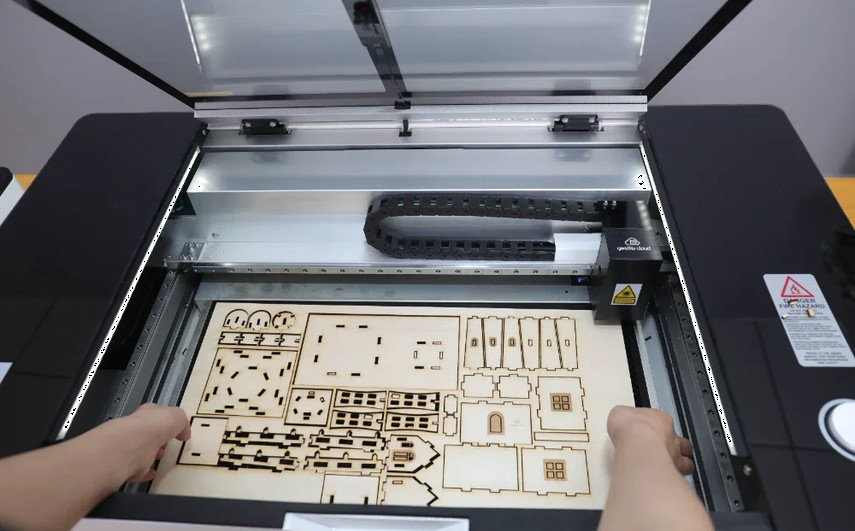
The use of titanium in medical implants has become increasingly popular due to its biocompatibility, corrosion resistance, and strength. A crucial step in the manufacturing process of these implants is the application of unique identifiers and markings, which can be efficiently achieved with a laser engraving machine for titanium medical implants. This technology allows for precise and permanent marking, enhancing patient safety and device traceability.
Benefits of Laser Engraving for Medical Implants
Precision and Permanence
Laser engraving offers unparalleled precision, allowing for the creation of intricate designs and small characters that are essential for identification purposes. The marks made by the laser are permanent, withstanding the harsh conditions that medical implants may be exposed to, including sterilization processes and long-term implantation within the body.
Material Compatibility
Titanium, being a challenging material to mark due to its hardness and reactivity, is ideally suited for laser engraving. The process does not require the use of inks or chemicals, reducing the risk of contamination and ensuring the implant remains biocompatible.
Efficiency and Cost-Effectiveness
The laser engraving process is highly efficient, allowing for rapid marking of implants without the need for extensive setup or preparation. This efficiency translates into cost savings, as the process minimizes waste and reduces the time required for marking, thereby increasing overall production throughput.
Applications of Laser Engraving in Medical Device Manufacturing
Beyond titanium implants, laser engraving machines are utilized in various aspects of medical device manufacturing. This includes the marking of surgical instruments, medical equipment, and even packaging, where traceability and identification are critical.
FAQs
Frequently Asked Questions
- Q: What is the typical resolution of a laser engraving machine for titanium medical implants?
A: The resolution can vary depending on the specific machine and settings used, but typically ranges from 100 to 1000 dpi, allowing for very detailed markings. - Q: Is laser engraving safe for use on medical implants?
A: Yes, when properly controlled, laser engraving is a safe process that does not compromise the biocompatibility or structural integrity of titanium implants. - Q: Can laser engraving machines mark other materials used in medical devices?
A: Yes, laser engraving machines are versatile and can mark a variety of materials, including stainless steel, plastics, and ceramics, making them highly useful in medical device manufacturing.