
Why Laser Cleaning Machines Are the Future of Rust Removal
Rust is a costly adversary for manufacturers worldwide, jeopardizing product integrity, shortening component life, and inflating maintenance budgets. Traditional chemical baths, abrasive blasting, and mechanical sanding often leave behind residues, compromise surface finishes, and generate hazardous waste. In contrast, a laser cleaning machine rust removal system offers unparalleled precision, speed, and environmental compliance. By directing a high‑energy laser pulse onto the corroded surface, the system vaporizes iron oxides while sparing the underlying metal, preserving the original geometry and achieving a clean surface ready for coating or machining.
Precision and Speed
Industrial laser cleaning units from MeykoLaser operate between 30–60 W for thin‑film rust and up to 200 W for thicker deposits. The beam can travel at 300–500 mm/s, removing rust in seconds per square meter—orders of magnitude faster than manual methods. Precision is guaranteed by sub‑millimeter beam diameters, enabling selective cleaning on complex geometries without collateral damage.
Environmental Benefits
Unlike chemical solutions that require neutralization and hazardous waste disposal, laser cleaning emits only clean, dry steam and minimal particulate matter. Theтабulation of waste gases is reduced by more than 90 % compared to conventional sandblasting, aligning with ISO 14001 environmental standards and reducing facility compliance costs.
MeykoLaser’s Laser Cleaning & Marking Solutions
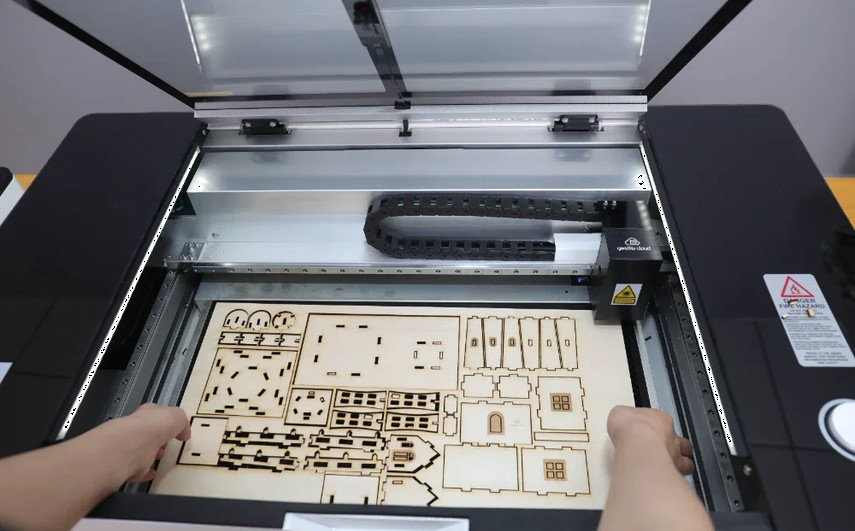
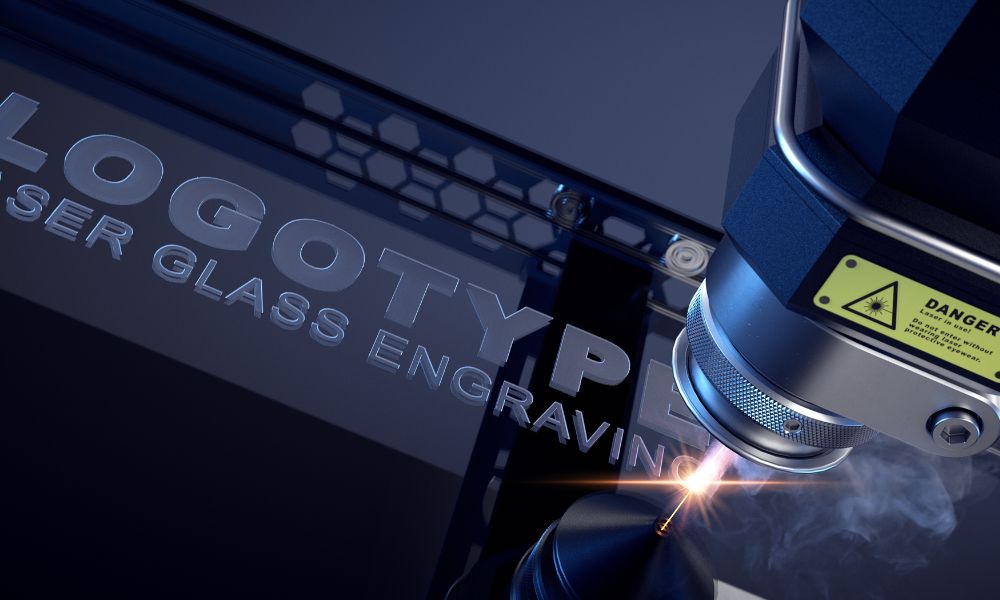
MeykoLaser integrates laser cleaning with its flagship laser marking machines, delivering a turnkey solution for refurbishment, inspection, and identification. The dual‑function platform can switch between cleaning and marking modes within seconds, eliminating downtime and streamlining workflows.
Technical Specifications
Power Range: 30–200 W
Beam Diameter: 0.2–1.5 mm
Cleaning Speed: 300–500 mm/s
Marking Resolution: 0.05 mm
Compatible Materials: Steel, aluminum, stainless steel, titanium, composite panels
Output Power Stability: ±1.5 % RMS
Control System: CNC‑based, G‑Code, API integration
These specifications translate into a ørn‑level of precision: rust removal accuracy within ±0.1 mm, marking fidelity up to 1200 dpi, and consistent performance across a temperature range of –20 °C to 60 °C.
Integration with Laser Marking Machines
The MeykoLaser platform utilizes a shared optics table and X‑Y gantry system. A single laser head can be tuned from 50 W for cleaning to 150 W for marking, with beam shaping optics adjusted via software. This integration reduces capital investment by 30 % compared to separate units and cuts maintenance overhead by 25 % due to shared მხოლოდ components.
Application Scenarios & Industry Use Cases
From automotive to aerospace, energy, and beyond, theาคาร่—s benefit from laser cleaning machine rust removal across diverse sectors.
Automotive Parts
Automotive manufacturers face stringent quality requirements for chassis bolts, suspension arms, and engine blocks. By employing MeykoLaser’s cleaning system, a typical 10 kg steel component can be de‑rusted in under 60 seconds, compared to 8–10 minutes by abrasive blasting. The resulting surface meets SAE J730 standards for coating adhesion, reducing rework rates by 40 %.
Aerospace Components
In aerospace, even trace contamination can cause catastrophic failures. Laser cleaning preserves the delicate micro‑texture of titanium air‑frame skins, achieving a 99.9 % removal rate of iron oxides while maintaining ayes‑grid surface roughness of Ra < 0.5 µm—critical for bonding aerospace adhesives. The process also complies with FAA Part 21 regulations.
Energy & Renewable Industries
Wind turbine blades and solar panel frames suffer from corrosion due to harsh climates. MeykoLaser’s cleaning units can quickly service large surface areas, enabling predictive maintenance schedules that cut downtime by 20 % and extend component life by up to 15 years. The eco‑friendly nature of laser cleaning aligns with renewable energy sector sustainability goals.
Comparative Analysis: Laser vs. Traditional Rust Removal
When evaluating cost, productivity, and quality, laser cleaning demonstrates clear advantages over conventional methods.
Cost Efficiency
Initial capital for a MeykoLaser cleaning system ranges from $12,000 to $18,000, versus $15,000–$25,000 for sandblasting rigs and chemical baths. Operating expenses are lower: laser power consumption averages 0.05 kWh per kg of rust removed, compared to 0.15 kWh for abrasive blasting and 0.25 kWh for chemical baths, translating to a 70 % energy cost saving.
Productivity Gains
Laser cleaning removes rust at 1,000–1,500 mm²/s, while abrasive blasting operates at 100–200 mm²/s. This 5–10× speed increase reduces labor hours by 60 % and boosts throughput. Additionally, the system’s automated CNC control eliminates operator variability, ensuring repeatable results.
Quality & Surface Integrity
Traditional methods may leave micro‑scratches or residual abrasive particles that compromise coating adhesion. Laser cleaning leaves a pristine surface with Ra < 0.2 µm, meeting ISO 12944 corrosion‑prevention standards and enabling high‑performance paint or powder coatings. The non‑contact nature of the laser also prevents heat‑affected zones, preserving material properties.
Return on Investment & Economic Impact
A 12‑month ROI analysis for a mid‑size manufacturing plant shows a net present value of $35,000 when replacing manual rust removal with a MeykoLaser system. Key drivers include reduced labor costs ($15,000 saved), lower maintenance ($5,000), energy savings ($4,000), and increased product quality ($11,000). The payback period averages 9 months.
Frequently Asked Questions
1. How does laser cleaning affect surface roughness compared to sandblasting? Laser cleaning achieves a smoother finish, with Ra < 0.2 µm versus typical sandblasted Ra 1.5–3.0 µm. This results in better coating adhesion and longer service life.
2. Can the same laser be used for both cleaning and marking? Yes. MeykoLaser’s dual‑mode laser head can be tuned from 30 W for cleaning to 150 W for high‑resolution marking, allowing seamless transition without changing equipment.
3. What safety measures are required for operating a laser cleaning machine? Operators must wear laser safety eyewear rated for the laser wavelength (1064 nm), and the machine should be enclosed with interlocked safety curtains. Training on laser hazard classification (Class 4) is mandatory.
4. Does laser cleaning remove all types of corrosion? Laser cleaning is highly effective for iron oxides, manganese oxides, and light to moderate corrosion. For heavy, pitting corrosion, a combined mechanical pre‑cleaning step may be advisable.
5. How does the system integrate with existing production lines? The CNC‑controlled gantry can be mounted on standard ISO 1200 chassis, and the software supports G‑Code and API protocols for real‑time integration with MES and ERP systems.
Ready to Transform Your Rust Removal Process?
Invest in a laser cleaning machine rust removal solution that delivers precision, speed, and sustainability. Contact MeykoLaser’s sales team today to schedule a live demonstration, request a custom quote, or discuss deployment options for your facility.
Frequently Asked Questions
How does laser cleaning affect surface roughness compared to sandblasting?
Laser cleaning achieves a smoother finish, with Ra < 0.2 µm versus typical sandblasted Ra 1.5–3.0 µm. This results in better coating adhesion and longer service life.
Can the same laser be used for both cleaning and marking?
Yes. MeykoLaser’s dual‑mode laser head can be tuned from 30 W for cleaning to 150 W for high‑resolution marking, allowing seamless transition without changing equipment.
What safety measures are required for operating a laser cleaning machine?
Operators must wear laser safety eyewear rated for the laser wavelength (1064 nm), and the machine should be enclosed with interlocked safety curtains. Training on laser hazard classification (Class 4) is mandatory.
Does laser cleaning remove all types of corrosion?
Laser cleaning is highly effective for iron oxides, manganese oxides, and light to moderate corrosion. For heavy, pitting corrosion, a combined mechanical pre‑cleaning step may be advisable.
How does the system integrate with existing production lines?
The CNC‑controlled gantry can be mounted on standard ISO 1200 chassis, and the software supports G‑Code and API protocols for real‑time integration with MES and ERP systems.