
When a paper mill’s dryer cylinder develops wear, cracks, or surface damage, unplanned downtime can cost thousands of dollars in lost production. A high-quality laser cladding machine for paper mill dryer cylinder repair solves this problem by delivering precise, durable surface restoration that outperforms traditional repair methods like welding or thermal spraying. Unlike older techniques that can cause distortion or weak bonding, laser cladding bonds the new material metallurgically to the cylinder’s surface, creating a wear-resistant layer that extends the cylinder’s service life for years.
What is Laser Cladding for Dryer Cylinder Repair?
How the Process Works
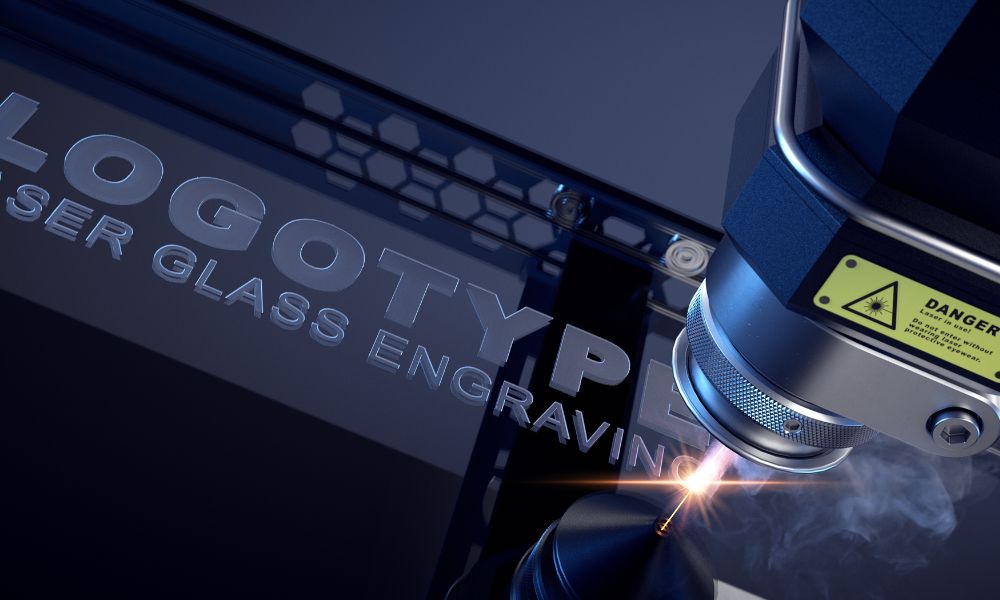
Laser cladding is an additive manufacturing process that uses a high-powered laser to melt powdered metallic material onto a damaged base surface. For dryer cylinder repair, the process focuses on rebuilding worn, cracked, or corroded areas without compromising the integrity of the original cylinder structure. The focused heat input of the laser means only the top layer of the base material is melted, resulting in minimal heat transfer to the rest of the cylinder, eliminating warping or distortion that can ruin the cylinder’s roundness and tolerances.
Key Benefits of Using a Laser Cladding Machine
- Minimal heat distortion: Unlike traditional welding, laser cladding uses a focused heat input that keeps the base material cool, so the cylinder doesn’t warp or lose its original roundness and tolerances. This is critical for dryer cylinders, which require precise alignment to produce consistent paper quality.
- Superior durability from metallurgical bonding: The cladding layer bonds directly to the base metal, eliminating the risk of delamination common with thermal spray repairs. The resulting surface is highly resistant to wear, corrosion, and repeated thermal cycling, which matches the harsh operating conditions of a paper mill dryer.
- Reduced downtime and long-term costs: Laser cladding can often be done on-site, eliminating the need to transport the heavy dryer cylinder to an off-site repair facility. Repairs also take significantly less time than traditional methods, getting your mill back up and running faster. While upfront repair costs may be slightly higher, the extended service life means lower overall maintenance costs over time.
- Customizable material properties: You can select cladding materials tailored to your specific damage issue. Whether you need better corrosion resistance for a moist environment, higher wear resistance for constant contact with doctor blades, or a harder surface to extend service life, the laser cladding process can accommodate your needs.
Common Dryer Cylinder Damage Repaired With Laser Cladding
Surface Wear
Over years of operation, constant contact with paper, felts, and doctor bars wears down the cylinder’s surface, leading to uneven drying, poor paper quality, and increased risk of further damage. Laser cladding rebuilds the worn surface to its original dimensions and tolerance, restoring smooth, consistent performance.
Cracks and Fatigue Damage
Dryer cylinders undergo constant thermal cycling from heating and cooling during operation, which leads to cracks and fatigue damage over time. If left unrepaired, these cracks can spread and cause catastrophic cylinder failure. Laser cladding fills cracks and reinforces the affected area without damaging the surrounding structure, stopping crack growth and extending the cylinder’s life.
Corrosion Damage
Moisture and chemical additives used in papermaking create a corrosive environment that eats away at the cylinder’s surface. Laser cladding applies a corrosion-resistant alloy layer that protects the base metal from further damage, even in the harshest mill conditions.
Choosing the Right Laser Cladding Machine for Your Mill
When selecting a laser cladding machine for dryer cylinder repair, there are a few key factors to consider. First, look for a machine with enough power output to handle large surface areas efficiently – most dryer cylinder repairs require a 3kW to 6kW laser for optimal speed and quality. Second, automated 5-axis positioning is a must to accurately follow the curved surface of the cylinder and deliver consistent cladding layers. Third, consider whether you need a portable system for on-site repairs or a stationary system if you handle multiple cylinder repairs in-house. Finally, prioritize suppliers that offer comprehensive operator training and reliable after-sales support, as this ensures you get the most out of your investment.
Frequently Asked Questions
How long does a laser cladding repair last compared to traditional repairs?
When done correctly, a laser cladding repair typically lasts 2 to 3 times longer than welding or thermal spray repairs. The metallurgical bond and superior material properties mean you won’t need frequent re-repairs, drastically reducing long-term maintenance costs for your mill.
Can laser cladding repair any size of dryer cylinder?
Yes, modern laser cladding machines can be configured to handle small, medium, and large dryer cylinders ranging from a few feet to over 20 feet in diameter. Portable laser cladding systems can bring the repair process directly to your mill, eliminating the high cost and logistical hassle of transporting large, heavy cylinders off-site.
Is laser cladding more expensive than traditional repair methods?
While the upfront cost of a laser cladding repair may be 10-20% higher than traditional methods, the longer service life and reduced downtime make it far more cost-effective over the lifespan of the dryer cylinder. Most mills recoup the extra cost within 1-2 years from reduced production losses and fewer repeat repairs.
Do I need special training to operate a laser cladding machine?
Yes, operating a laser cladding machine requires specialized training to ensure operator safety and consistent, high-quality repairs. Reputable suppliers include comprehensive training for your team, covering machine setup, safety protocols, material selection, and quality control.
For paper mills looking to extend the service life of their dryer cylinders and reduce unplanned downtime, a laser cladding machine is a game-changing investment. It delivers superior quality repairs that save money long-term, keep production running smoothly, and improve the overall efficiency of your mill operations.
TAG: