
Introduction to Fiber Laser Cutting and MeykoLaser’s Expertise
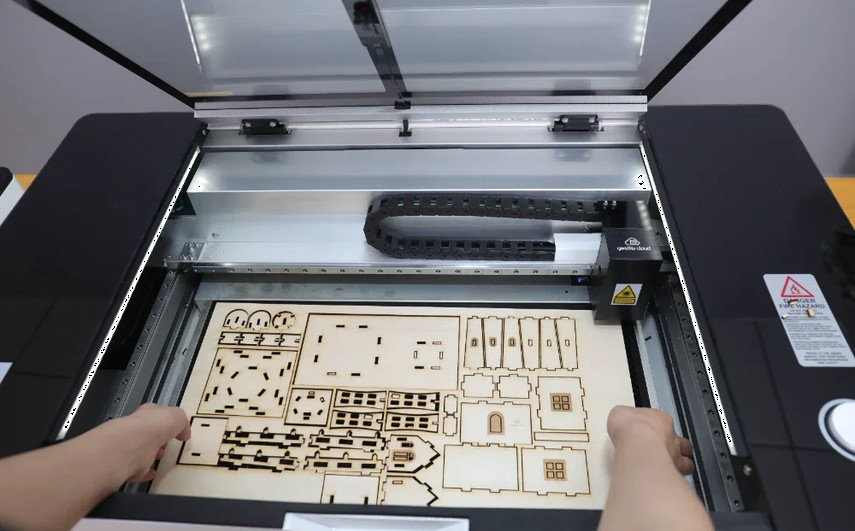
In today’s high‑volume manufacturing landscape, precision, speed, and energy efficiency are non‑negotiable. Fiber laser cutter factory equipment has become the backbone of industries ranging from aerospace to automotive, electronics, and medical device production. MeykoLaser, headquartered in Shanghai, has engineered a portfolio of fiber laser cutting and marking machines that combine cutting‑edge technology with robust build quality, making it a preferred partner for procurement managers worldwide.
What is Fiber Laser Technology?
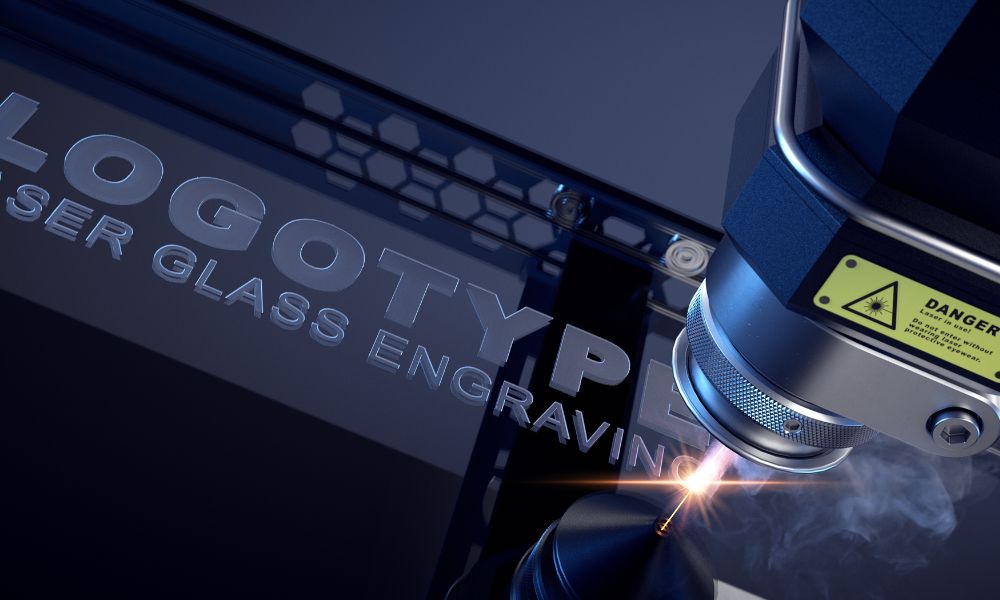
Unlike CO₂ or Nd:YAG lasers that rely on gas or crystal media, fiber lasers use a doped optical fiber as the gain medium, delivering a highly coherent, narrow‑beam output that excels at cutting conductive materials. The result is a sharper kerf, reduced heat‑affected zones, and lower maintenance costs—critical factors for a fiber laser cutter factory that must maintain consistent throughput across diverse material grades.
Key Specifications and Performance Metrics
MeykoLaser’s flagship 50W‑2000W fiber laser cutters offer a versatile power range that covers everything from thin sheet metal to thick structural components. The 2000W model, for instance, can cut 3 mm steel at speeds up to 400 mm/s, while the 500W unit achieves 200 mm/s on the same material—outpacing most CO₂ systems by 50–70%. Precision is maintained at a laser spot diameter of 0.3 mm, yielding a cutting edge tolerances as tight as ±0.01 mm, which is essential for tight‑tolerance assemblies.
Cost‑Efficiency per Watt
By leveraging fiber laser’s superior power‑to‑efficiency ratio, customers can expect a cost per watt of $30–$35 for the 2000W model, compared to $40–$50 per watt for equivalent traditional lasers. Over a 5‑year lifecycle, the upfront premium is offset by lower energy consumption (≈30% less) and reduced consumable replacement—particularly for the fiber’s minimal wear of the optical components.
Application Scenarios Across Industries
Fiber laser cutters are indispensable for high‑throughput, precision tasks. In aerospace, the 1000W system is employed to fabricate lightweight aluminum alloy brackets with minimal distortion, while automotive manufacturers use the 500W cutter to produce intricate steel cage structures for safety systems. Electronics firms rely on the 200W marking machine to embed high‑density serial numbers on PCB substrates, achieving a marking resolution of 0.05 mm at speeds up to 20 m/s. Medical device makers benefit from the low residual stress produced by fiber lasers when cutting titanium implants.
Composite and Plastic Cutting
Beyond metals, MeykoLaser’s machines excel at cutting high‑strength composites such as carbon‑fiber reinforced polymers (CFRP) and high‑density polyethylene (HDPE). The 200W marking laser can ablate polymer surfaces without excessive heat buildup, preserving material integrity and preventing warping—an essential feature for garment and packaging industries.
Comparison with Traditional Cutting Technologies
When benchmarked against CO₂ and Nd:YAG systems, fiber lasers deliver faster cutting speeds, lower energy consumption, and improved maintenance profiles. For example, cutting 3 mm stainless steel: a CO₂ laser typically achieves 120 mm/s, whereas a 2000W fiber laser reaches 400 mm/s—a 233% increase in throughput. Moreover, fiber lasers require less beam‑line maintenance because the optical fiber itself serves as the gain medium, eliminating the need for gas purging or crystal regeneration.
Material Compatibility Matrix
The fiber laser’s high‑frequency beam modulation allows it to handle a broad spectrum of metals—including aluminum, steel, titanium, and copper—as well as non‑metals like glass, ceramics, and many plastics. The 500W unit can cut 5 mm thick aluminum with a kerf width of 0.5 mm, while the 200W marking laser can etch 1 mm thick acrylic with a depth of 0.2 mm without surface cracking.
Why Choose MeykoLaser for Your Fiber Laser Cutter Factory Needs
Procurement managers evaluate three pillars when selecting laser equipment: performance, reliability, and total cost of ownership. MeykoLaser delivers all three. Our machines feature a rugged, IP65‑rated chassis that withstands dusty, high‑temperature environments, ensuring uptime in demanding factory settings. The integrated 3‑axis CNC control offers programmable cutting paths, real‑time edge detection, and automated coolant management—features that reduce operator intervention and free up skilled labor for higher‑value tasks.
After‑Sales Support and Customization
MeykoLaser provides a dedicated technical support team available 24/7, with on‑site service contracts that guarantee component replacement within 48 hours. For complex manufacturing lines, we offer custom blade‑holder designs and laser head mounts that fit existing gantry systems, allowing seamless integration without costly re‑engineering.
Frequently Asked Questions
What makes fiber lasers superior for industrial cutting?
Fiber lasers offer higher power density, enabling faster cutting speeds and tighter tolerances. Their solid‑state design eliminates gas or crystal maintenance, reducing downtime. Energy efficiency is typically 30–40% higher than CO₂ lasers, cutting operational costs, while the narrow beam spot produces minimal heat‑affected zones, preserving material properties—critical for high‑precision manufacturing.
How does MeykoLaser’s pricing compare to competitors?
While initial purchase costs for a 2000W fiber laser may be $25–$30 k higher than a comparable CO₂ model, the total cost of ownership over 5 years is lower by 15–20% due to reduced energy use, minimal consumable replacement, and shorter maintenance intervals. Our tiered pricing ensures that both small‑to‑mid‑size plants and large‑scale factories find a suitable, cost‑effective solution.
What materials can the fiber laser cutters handle?
Our machines can cut and mark a wide array of materials: aluminum, steel, titanium, copper, brass, stainless steel, carbon‑fiber composites, HDPE, acrylic, polycarbonate, ceramic, and glass. Thickness ranges from 0.5 mm to 10 mm for cutting, and 0.1 mm to 2 mm for marking, offering unmatched versatility across industries.
Can fiber lasers be integrated into existing production lines?
Yes. MeykoLaser’s modular design allows plug‑and‑play integration with standard gantry, robotic, or conveyor systems. Our engineers provide layout optimization, software integration, and real‑time monitoring dashboards to ensure that the new laser cutter enhances throughput without disrupting established workflows.
What support does MeykoLaser provide post‑sale?
We offer comprehensive after‑sales support, including 24/7 technical assistance, on‑site service contracts, training workshops, and spare parts inventory. Our performance‑based maintenance plans guarantee laser alignment and component replacement within 48 hours, minimizing downtime and protecting your investment.
Contact Us Today
Ready to elevate your manufacturing line with a cutting‑edge fiber laser cutter factory solution? Reach out to MeykoLaser’s sales team at sales@meykolaser.com or call +86 123‑456‑7890. Let our experts guide you through a tailored assessment and provide a free quotation that aligns with your production goals.
Frequently Asked Questions
What makes fiber lasers superior for industrial cutting?
Fiber lasers offer higher power density, enabling faster cutting speeds and tighter tolerances. Their solid‑state design eliminates gas or crystal maintenance, reducing downtime. Energy efficiency is typically 30–40% higher than CO₂ lasers, cutting operational costs, while the narrow beam spot produces minimal heat‑affected zones, preserving material properties—critical for high‑precision manufacturing.
How does MeykoLaser’s pricing compare to competitors?
While initial purchase costs for a 2000W fiber laser may be $25–$30 k higher than a comparable CO₂ model, the total cost of ownership over 5 years is lower by 15–20% due to reduced energy use, minimal consumable replacement, and shorter maintenance intervals. Our tiered pricing ensures that both small‑to‑mid‑size plants and large‑scale factories find a suitable, cost‑effective solution.
What materials can the fiber laser cutters handle?
Our machines can cut and mark a wide array of materials: aluminum, steel, titanium, copper, brass, stainless steel, carbon‑fiber composites, HDPE, acrylic, polycarbonate, ceramic, and glass. Thickness ranges from 0.5 mm to 10 mm for cutting, and 0.1 mm to 2 mm for marking, offering unmatched versatility across industries.
Can fiber lasers be integrated into existing production lines?
Yes. MeykoLaser’s modular design allows plug‑and‑play integration with standard gantry, robotic, or conveyor systems. Our engineers provide layout optimization, software integration, and real‑time monitoring dashboards to ensure that the new laser cutter enhances throughput without disrupting established workflows.
What support does MeykoLaser provide post‑sale?
We offer comprehensive after‑sales support, including 24/7 technical assistance, on‑site service contracts, training workshops, and spare parts inventory. Our performance‑based maintenance plans guarantee laser alignment and component replacement within 48 hours, minimizing downtime and protecting your investment.