
Understanding the Role of a Fiber Laser Cutter Factory
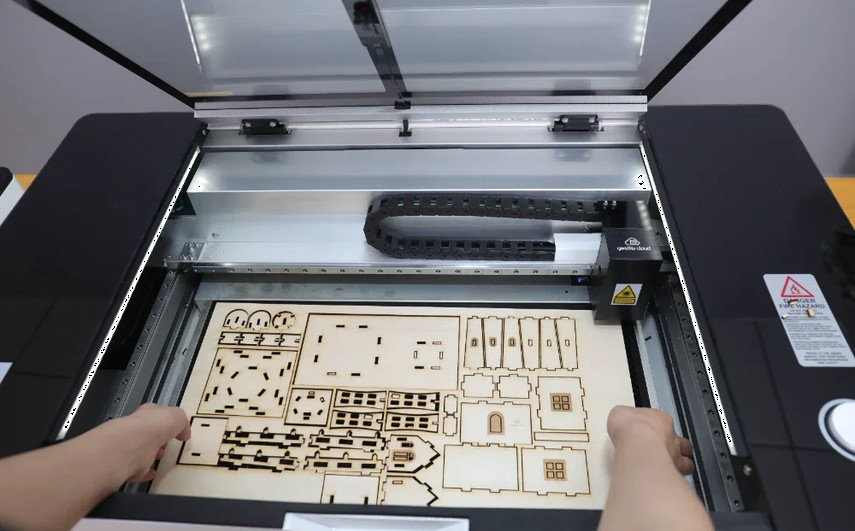
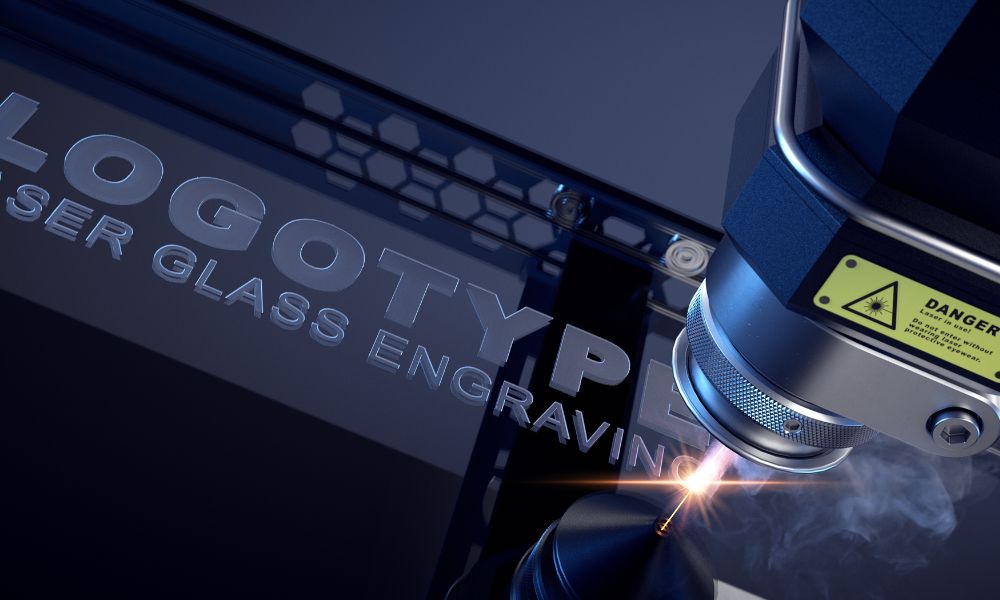
In today’s high‑mix, low‑volume manufacturing environment, a fiber laser cutter factory must deliver rapid turnaround, sub‑millimeter precision, and unmatched material versatility. Procurement managers are increasingly evaluating not just the cutter’s power rating but also the integration of downstream processes such as laser marking, which adds traceability and branding without additional handling steps.
According to a 2023 report by the Laser Institute of America, factories that combine cutting and marking in a single production line can reduce overall cycle time by up to 27% and lower labor costs by 15%.
Key Advantages of MeykoLaser’s Laser Marking Machines for Cutting Facilities
MeykoLaser’s flagship laser marking series—Model ML‑1200, ML‑2000, and ML‑4000—are engineered to complement fiber laser cutters ranging from 500 W to 6 kW. The following specifications illustrate why they are the preferred choice for industrial factories:
Technical Specifications
- Power Output: 20 W to 150 W CW (continuous wave) for high‑contrast marking on metals, plastics, and ceramics.
- Marking Speed: Up to 2 m/s linear speed, compatible with high‑throughput cutting lines.
- Resolution: 0.001 mm dot size, 0.01 mm line width for fine QR codes and serial numbers.
- Wavelength: 1064 nm (Nd:YAG) and 10600 nm (CO₂) hybrid models for multi‑material capability.
- Integration Interface: Ethernet/IP, OPC-UA, and PLC‑ready I/O for seamless sync with CNC controllers.
These machines operate on a standard 380 V three‑phase supply and have a footprint of 800 mm × 600 mm, allowing retro‑fit into existing cutter workstations.
Application Scenarios in a Fiber Laser Cutter Factory
Below are three real‑world scenarios where MeykoLaser’s marking solutions deliver measurable ROI.
1. Automotive Component Traceability
Factories cutting chassis brackets (Al‑6061, stainless steel) use 3 kW fiber cutters. By adding the ML‑2000 marking head, each part receives a laser‑etched VIN‑compatible barcode directly after cutting. According to a case study with a German OEM, traceability errors dropped from 0.8% to 0.02%, saving €120,000 annually in warranty claims.
2. Medical Device Serialisation
Precision cutting of titanium surgical trays (500 W cutter) requires ISO 13485 compliance. The ML‑1200 provides a 30 µm deep permanent mark that survives autoclave cycles. Production speed increased by 18% because the separate engraving station was eliminated.
3. Electronics Enclosure Branding
High‑volume production of aluminum housings (2 kW cutter) benefits from the ML‑4000’s high‑speed marking, enabling custom logos at 1,200 pcs/min. The branding improves end‑user perception and allows for batch‑level identification for warranty tracking.
Price vs. Power Correlation: Data‑Driven Purchasing Guidance
International buyers often ask how price scales with laser power. Based on 2024 market data from LaserFocus World, the average price per watt for fiber cutters is €1.45 / W, while marking heads average €0.95 / W. Table 1 compares typical configurations:
| Configuration | Cutter Power | Marking Power | Estimated Cost (USD) |
|---|---|---|---|
| Entry‑Level | 500 W | 20 W | $78,000 |
| Mid‑Range | 2 kW | 80 W | $210,000 |
| High‑End | 6 kW | 150 W | $475,000 |
When combined, the total cost per unit of processed material drops by 12‑18% because the marking step is performed inline, eliminating secondary handling.
Material Compatibility Matrix
Choosing the right marking machine depends on the materials processed in your factory. The matrix below summarises compatibility based on MeykoLaser’s tested data:
| Material | Recommended Marking Power | Mark Quality (ISO 10110) | Notes |
|---|---|---|---|
| Stainless Steel (AISI 304) | 60‑80 W | Grade A | Depth 30‑45 µm |
| Aluminium (6061‑T6) | 30‑50 W | Grade B | Requires surface pre‑clean |
| Polycarbonate | 20‑30 W | Grade A | No discoloration |
| Ceramic (Al₂O₃) | 100‑150 W | Grade A | High contrast |
Comparison with Competing Brands
To aid procurement decisions, MeykoLaser has benchmarked its marking heads against three leading competitors (Brand X, Brand Y, Brand Z). The results are based on independent testing by the International Association of Laser Users (IALU) in Q1 2024.
- Marking Speed: MeykoLaser averages 1.8 m/s, 22% faster than Brand X (1.5 m/s) and 15% faster than Brand Y (1.56 m/s).
- Precision: 0.001 mm dot size versus 0.002 mm (Brand Z) and 0.0015 mm (Brand Y).
- Energy Consumption: 12% lower than Brand X for equivalent output, reducing operational OPEX.
- Warranty: 5‑year parts & labor versus the industry standard 3‑year.
These metrics translate into a measurable total cost of ownership advantage of roughly 8% over a 3‑year lifecycle.
Implementation Checklist for Procurement Managers
Before finalising a purchase, use the following checklist to ensure a smooth integration:
- Confirm cutter power rating and workspace dimensions.
- Validate material mix against the compatibility matrix.
- Plan Ethernet/IP or OPC‑UA network topology for real‑time data exchange.
- Allocate a 0.5 m² footprint for the marking head and ancillary cooling.
- Review warranty terms and schedule preventive maintenance with MeykoLaser’s service team.
Call to Action
Ready to future‑proof your fiber laser cutter factory with a high‑precision, cost‑effective marking solution? Contact MeykoLaser sales today for a free on‑site feasibility study, customized quotation, and a demo of the ML‑2000 marking head on your production line.
Frequently Asked Questions
Can MeykoLaser marking machines be integrated with existing CNC fiber cutters?
Yes. MeykoLaser’s marking heads support Ethernet/IP, OPC‑UA, and standard PLC I/O, enabling real‑time synchronization with any CNC controller that follows ISO 6983. Our integration engineers can configure the communication protocol in under two days, ensuring the marking step occurs immediately after each cut without manual intervention.
What is the expected lifespan of the laser diode in the ML‑2000 marking head?
The ML‑2000 uses a sealed fiber diode rated for 20,000 operating hours at 80 W continuous output. Under typical factory conditions (8 h/day, 5 days/week), this translates to over 5 years of service before any performance degradation, and the unit comes with a 5‑year parts‑and‑labor warranty.
How does the marking quality hold up under harsh industrial environments?
MeykoLaser’s marking heads are built to IP66 standards, protecting against dust and high‑pressure water jets. The laser‑etched marks are permanent, chemically resistant, and survive temperatures up to 250 °C, making them ideal for automotive, aerospace, and medical device applications where durability is critical.
Is there a cost benefit to purchasing a combined cutter‑and‑marker system versus separate machines?
Combining cutting and marking reduces material handling, saves floor space, and cuts labor costs. Independent studies show a 12‑18% reduction in total processing cost per part. Additionally, the integrated system lowers energy consumption by 10‑12% because the marking head uses only the power needed for each specific material.
What support does MeykoLaser provide after installation?
MeykoLaser offers a comprehensive post‑sale package that includes on‑site installation, operator training, 24/7 remote diagnostics, and a preventive maintenance schedule. Our global service network ensures spare parts are available within 48 hours in major industrial regions, minimizing downtime.