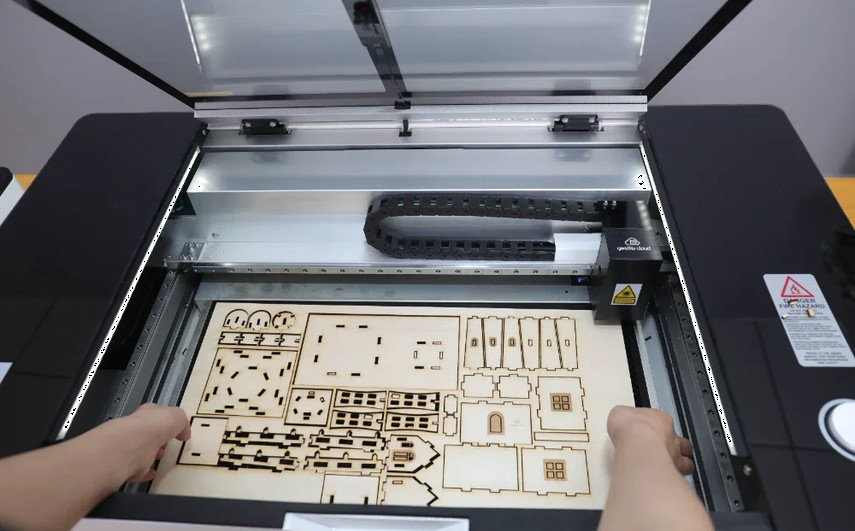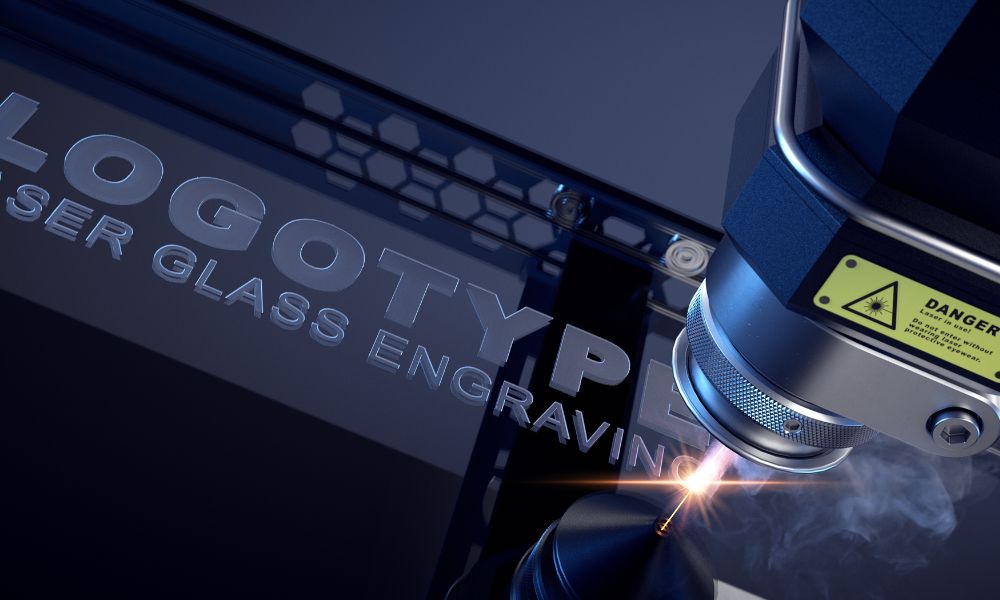

When sourcing from a fiber laser cutter factory, international B2B buyers demand verified performance, transparent pricing, and long-term reliability. MeykoLaser, a specialist in laser marking and cutting solutions, supports procurement teams with standardized production, rigorous quality control, and on‑time global delivery. This guide explains how to evaluate a fiber laser cutter factory, what specifications matter most, and how MeykoLaser compares on cost, precision, and service.
1. What Defines a Reliable Fiber Laser Cutter Factory?
A dependable fiber laser cutter factory should demonstrate:
- Standardized production lines with documented SOPs
- Traceable material and component sourcing
- Certifications (CE, ISO, FDA as applicable)
- Test reports for power stability, beam quality, and cutting performance
MeykoLaser operates structured production workflows, incoming material inspection, and end-of-line testing to ensure stable machine performance across batches. This reduces procurement risk and total cost of ownership for international buyers.
2. Key Specifications and Performance Metrics
When comparing fiber laser cutters, focus on measurable parameters that directly affect throughput and part quality.
2.1 Laser Power and Cutting Thickness
Typical power ranges and approximate carbon steel cutting thickness (for reference, actual results depend on material condition and assist gas):
- 1,000–2,000 W – up to 6–12 mm
- 3,000–6,000 W – up to 12–20 mm
- 8,000–12,000 W – up to 20–30 mm
MeykoLaser offers multiple power configurations and provides test-cut samples so buyers can validate performance against their material types and thicknesses before mass procurement.
2.2 Precision and Repeatability
Industrial buyers often require:
- Positioning accuracy: ±0.03–0.05 mm
- Repeatability: ±0.02–0.03 mm
- Minimum kerf width: 0.1–0.3 mm depending on material and power
MeykoLaser machines are assembled with precision-ground rails and calibrated motion systems to maintain consistent accuracy over long production runs.
2.3 Compatible Materials
Fiber laser cutters from a professional fiber laser cutter factory typically handle:
- Carbon steel, stainless steel, aluminum, brass, copper (with appropriate power and gas)
- Coated and galvanized sheets
- Non-metallic materials in marking configurations (plastics, coated surfaces)
MeykoLaser provides material-specific parameter packages to help buyers quickly set up new jobs and reduce trial-and-error.
3. Cost Considerations and Total Cost of Ownership
Price is important, but procurement managers should evaluate total cost of ownership (TCO).
3.1 Purchase Price vs. Power
As a general industry trend:
- 1–2 kW machines: lower upfront cost, suitable for thin sheets and prototyping
- 3–6 kW machines: mid-range cost, balanced speed and thickness
- 8–12 kW machines: higher cost, optimized for thick plates and high-volume production
MeykoLaser offers tiered configurations so buyers can match power and features to their production volume and budget.
3.2 Operating and Maintenance Costs
Key factors that affect TCO:
- Electricity consumption (higher power = higher consumption)
- Consumables: nozzles, protective lenses, filters
- Preventive maintenance intervals and service availability
MeykoLaser designs machines for stable long-term operation and provides clear maintenance schedules and spare parts lists to simplify planning.
4. Application Scenarios Across Industries
A versatile fiber laser cutter factory supports multiple sectors:
- Automotive: chassis parts, brackets, exhaust components
- Appliance manufacturing: panels, enclosures, structural parts
- Metal fabrication: custom parts, signage, decorative panels
- Electronics: enclosures, heat sinks, precision brackets
MeykoLaser works with buyers to define machine configurations (bed size, power, automation interfaces) that fit specific production lines.
5. Quality Control and After-Sales Support
International buyers need confidence in machine consistency and support responsiveness.
5.1 Factory Quality Control
MeykoLaser implements:
- Incoming inspection of key components (laser source, controllers, optics)
- Assembly process checks and torque verification
- Final performance tests: power output, cutting samples, safety checks
5.2 Global After-Sales Service
Support includes:
- Remote diagnostics and software updates
- On-site installation and training (where available)
- Spare parts supply and maintenance guidance
This helps reduce downtime and protects production schedules for overseas customers.
6. How to Evaluate and Select a Fiber Laser Cutter Factory
Procurement managers can use a structured checklist:
- Request detailed technical data sheets and test reports
- Ask for sample cuts on your actual materials
- Compare warranty terms and service response times
- Verify export experience and documentation (CE, shipping, customs support)
- Assess communication efficiency and technical understanding
MeykoLaser provides transparent documentation and sample testing to support informed purchasing decisions.
7. Next Steps: Contact MeykoLaser for a Tailored Proposal
If you are evaluating a fiber laser cutter factory for your production line, MeykoLaser can help you define the right configuration, power level, and automation options. Share your material types, thicknesses, and production goals to receive a customized proposal and sample cutting plan.
Contact MeykoLaser sales to discuss your project requirements, request technical documentation, and arrange sample testing.
Frequently Asked Questions
What should I look for in a fiber laser cutter factory?
Look for standardized production processes, documented quality control, and verifiable test reports. A reliable factory should provide clear technical specifications, sample cuts on your materials, and transparent pricing. MeykoLaser supports buyers with detailed data sheets, incoming and outgoing inspections, and consistent machine performance across batches, reducing procurement risk and long-term maintenance issues.
How does laser power affect cutting capability and price?
Higher laser power generally enables faster cutting speeds and greater material thickness, but also increases machine cost and energy consumption. For example, 1–2 kW machines are cost-effective for thin sheets, while 6–12 kW machines are better for thick plates and high-volume production. MeykoLaser offers multiple power options and can recommend the most cost-efficient configuration based on your material types and production volume.
What materials can fiber laser cutters process?
Fiber laser cutters are widely used for carbon steel, stainless steel, aluminum, brass, and copper, with appropriate power and assist gas settings. They can also handle coated and galvanized sheets. In marking configurations, they process plastics and coated surfaces. MeykoLaser provides material-specific parameter packages to help buyers quickly set up new jobs and optimize quality.
How can I reduce total cost of ownership for fiber laser cutting machines?
To reduce TCO, select the appropriate power level for your typical material thickness, implement preventive maintenance, and use optimized cutting parameters to extend consumable life. MeykoLaser designs machines for stable long-term operation, provides clear maintenance schedules, and offers remote support and spare parts to minimize downtime and unexpected costs.
Does MeykoLaser support international buyers and exports?
Yes. MeykoLaser has experience supporting international B2B buyers with export documentation, CE compliance, and logistics coordination. The company provides remote technical support, training guidance, and on-site service where available. Procurement managers can request sample cuts, technical proposals, and references to evaluate MeykoLaser as a long-term supply partner.