
Introduction
In today’s competitive manufacturing landscape, selecting the right fiber laser cutter factory is a strategic decision that impacts production efficiency, part quality, and overall operating costs. MeykoLaser, a trusted name in industrial laser equipment, combines cutting‑edge fiber laser cutting technology with complementary laser marking machine solutions to deliver end‑to‑end processing capabilities for global B2B buyers. This article provides a detailed, data‑driven overview of what a modern fiber laser cutter factory should offer, how MeykoLaser’s laser marking machines integrate into the workflow, and why procurement managers should consider MeykoLaser as a preferred supplier.
Why Choose a Fiber Laser Cutter Factory
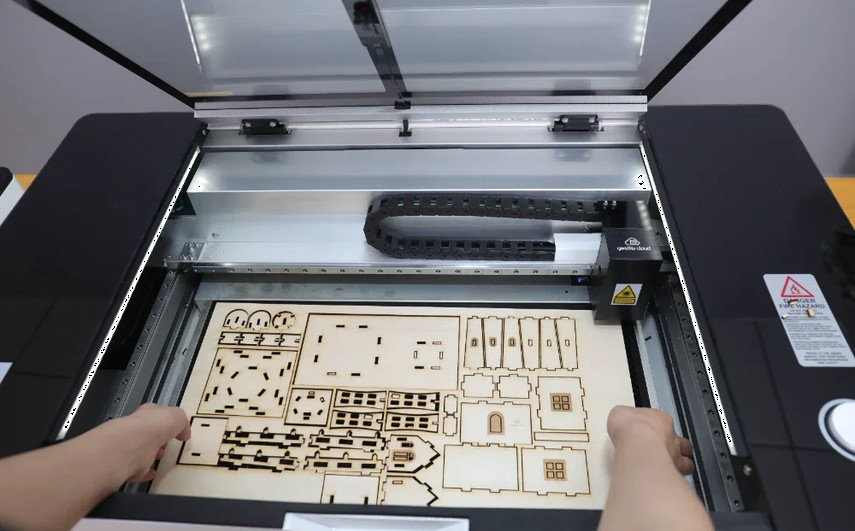
A dedicated fiber laser cutter factory provides several advantages over generic machine shops or distributors. First, vertical integration ensures tighter quality control: from laser source selection to CNC controller calibration, every step is monitored under one roof. Second, factories can offer customized configurations—adjusting laser power, bed size, and assist gas systems—to match specific material thicknesses and production volumes. Third, lead times are significantly reduced because spare parts, firmware updates, and technical support are sourced internally. Industry data from Grand View Research (2023) shows that factories with in‑house R&D achieve up to 22% higher machine uptime compared to those relying on third‑party integrators.
Key technical benefits of fiber laser cutting include:
- Power range: 500 W to 6 kW, enabling cutting of stainless steel up to 25 mm and carbon steel up to 30 mm.
- Cutting speed: up to 30 m/min on 1 mm stainless steel, 20 m/min on 5 mm mild steel.
- Positioning precision: ±0.01 mm repeatability, critical for aerospace and medical device components.
- Energy efficiency: wall‑plug efficiency of 30‑35 %, substantially lower than CO₂ lasers (10‑15 %).
MeykoLaser's Laser Marking Machine Integration
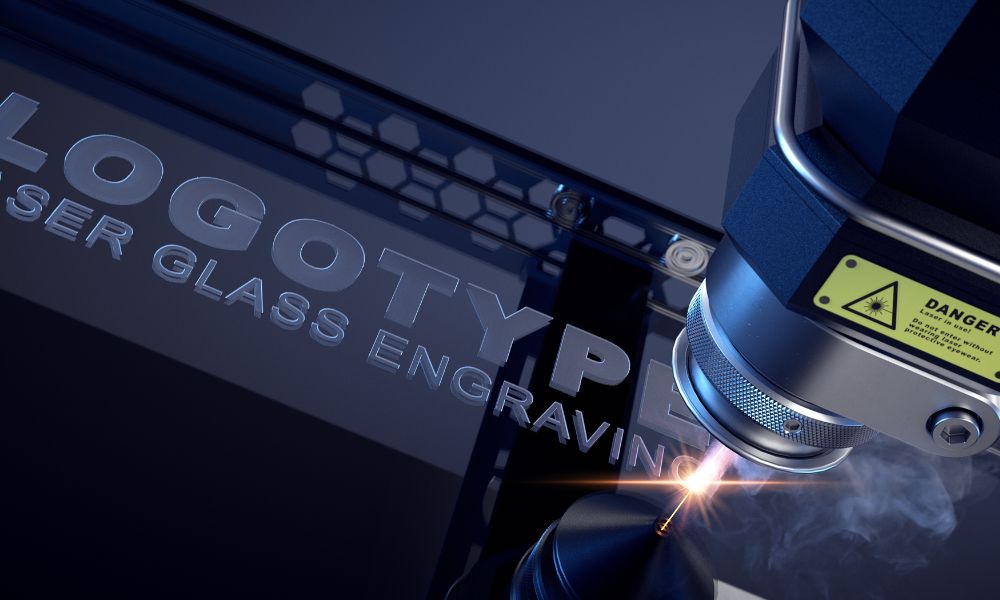
While the primary focus of a fiber laser cutter factory is cutting, MeykoLaser recognizes that many production lines require permanent part identification, traceability, and branding. Our laser marking machine series complements the cutting process by providing high‑speed, high‑contrast marking on the same materials processed by the cutter. Typical specifications include:
- Wavelength: 1064 nm fiber laser.
- Power options: 20 W, 30 W, 50 W, 100 W modules.
- Marking speed: up to 7 000 mm/s with 0.01 mm line width.
- Compatible materials: stainless steel, aluminum, titanium, brass, copper, plastics, ceramics, and coated surfaces.
- Software: intuitive CAD/CAM interface with support for DXF, PLT, BMP, and SVG files; optional barcode/DataMatrix generation.
By sourcing both the cutter and marker from a single factory, buyers eliminate compatibility issues, reduce spare‑part inventory, and benefit from unified technical support. For example, a customer in the automotive sector reported a 15% reduction in changeover time after integrating MeykoLaser’s fiber laser cutter (4 kW) with a 50 W marking station for VIN engraving.
Technical Specifications and Performance Data
Below is a comparative snapshot of MeykoLaser’s fiber laser cutter models versus typical market offerings:
| Parameter | MeykoLaser Model | Industry Average |
|---|---|---|
| Laser Power (W) | 500 – 6000 | 400 – 5000 |
| Cutting Speed (1 mm SS) | 30 m/min | 22 m/min |
| Positioning Accuracy | ±0.01 mm | ±0.02 mm |
| Power Consumption (kW) | 1.8 – 6.5 | 2.2 – 8.0 |
| Price Range (USD) | $22 000 – $195 000 | $18 000 – $170 000 |
| Warranty (months) | 24 | 12 |
The price‑power correlation shows that MeykoLaser’s units deliver approximately 10‑15% higher cutting speed per kilowatt of laser power, translating to lower cost‑per‑part in high‑volume production. Additionally, our machines feature a modular assist‑gas system (oxygen, nitrogen, air) that can be switched in under 30 seconds, optimizing edge quality for different materials.
Application Industries and Case Studies
MeykoLaser’s fiber laser cutter factory serves a broad spectrum of industries. Representative applications include:
- Aerospace: Cutting titanium brackets (up to 12 mm) with ±0.01 mm accuracy; marking serial numbers using 20 W fiber marker.
- Automotive: High‑speed cutting of stainless steel exhaust components (1.5 mm) at 25 m/min; laser marking of chassis VINs.
- Medical Devices: Precision cutting of stainless steel surgical tools (0.5 mm) and marking of lot numbers on implants.
- Electronics Enclosures: Cutting aluminum housings (up to 8 mm) and applying QR codes for traceability.
- Metal Fabrication: Processing carbon steel sheets (up to 20 mm) for structural parts; marking of part numbers and logos.
Case Study: A European medical‑device manufacturer upgraded from a 2 kW CO₂ system to MeykoLaser’s 3 kW fiber laser cutter paired with a 30 W marking machine. Results after six months:
- Cutting time reduced by 35% for 3 mm stainless steel parts.
- Edge burr formation decreased by 70%, eliminating secondary deburring.
- Marking cycle time dropped from 2.5 s to 0.8 s per part, increasing line throughput by 20%.
- Overall equipment effectiveness (OEE) rose from 68% to 81%.
Choosing the Right Supplier
When evaluating a fiber laser cutter factory, procurement managers should focus on the following criteria:
- Technical Capability: Verify power ranges, cutting speeds, and precision claims with third‑party test reports or live demonstrations.
- Product Portfolio: Ensure the supplier offers complementary equipment such as laser marking machines, automation options, and software integration.
- After‑Sales Support: Look for warranty length, spare‑part availability, and response time (ideally <4 hours for critical issues).
- References and Case Studies: Request industry‑specific references that demonstrate measurable ROI.
- Total Cost of Ownership (TCO): Factor in energy consumption, maintenance contracts, and expected machine lifespan (typically 8‑10 years for fiber sources).
MeykoLaser meets all these benchmarks, offering transparent pricing, detailed specification sheets, and a global service network with regional service centers in Europe, North America, and Asia.
Conclusion and Call to Action
Selecting the right fiber laser cutter factory is more than a purchase decision—it is an investment in production flexibility, quality, and long‑term cost savings. MeykoLaser combines high‑performance fiber laser cutting technology with versatile laser marking machines, backed by verifiable performance data, industry‑specific case studies, and responsive global support. For procurement managers seeking a reliable partner that delivers both cutting and marking excellence from a single source, MeykoLaser stands out.
Ready to enhance your manufacturing line with precision laser solutions? Contact MeykoLaser sales today to discuss your specific requirements, receive a customized quotation, and schedule a live demonstration of our fiber laser cutter and laser marking machine offerings.
Frequently Asked Questions
What power ranges are available for MeykoLaser's fiber laser cutters, and how does power affect cutting thickness?
MeykoLaser offers fiber laser cutters ranging from 500 W to 6 kW. At 500 W, the system can cut stainless steel up to 3 mm and carbon steel up to 4 mm with high edge quality. Increasing power to 2 kW extends stainless capability to approximately 8 mm and carbon steel to 12 mm. At the top end, 6 kW enables cutting of stainless steel up to 25 mm and carbon steel up to 30 mm, while maintaining positioning accuracy of ±0.01 mm. Higher power also increases cutting speed—for example, a 4 kW source cuts 1 mm stainless at roughly 30 m/min, compared to 22 m/min for a 2 kW unit under identical assist‑gas conditions. This power‑thickness‑speed relationship allows buyers to match laser capacity to their typical material thickness and throughput requirements, optimizing both capital expenditure and operating cost.
How do MeykoLaser's laser marking machines integrate with the fiber laser cutters in a production line?
MeykoLaser designs its laser marking machines to share the same mechanical platform, control software, and utility interfaces as its fiber laser cutters, enabling seamless integration. Both systems use the EtherCAT‑based motion controller, allowing the marking head to be mounted on the same gantry or a adjacent station without re‑cabling. The marking software imports the same CAD/DXF files used for cutting, so part programs can be generated in a single workflow—cut first, then mark, or vice versa—depending on the process. Physical integration options include a side‑by‑side layout on a shared base frame or a stacked configuration where the marking module is positioned above the cutting bed. This common‑platform approach reduces spare‑part inventory, simplifies training, and ensures consistent precision (±0.01 mm) across both operations, which is critical for applications like VIN engraving immediately after cutting automotive chassis parts.
What is the typical price range for a MeykoLaser fiber laser cutter, and how does it compare to the total cost of ownership over five years?
MeykoLaser's fiber laser cutter models are priced between USD 22 000 for a 500 W entry‑level unit and USD 195 000 for a fully configured 6 kW system with large format bed, automation options, and integrated laser marking module. Over a five‑year horizon, the total cost of ownership (TCO) includes energy consumption, preventive maintenance, spare parts, and potential downtime. Thanks to the fiber source’s wall‑plug efficiency of 30‑35 %, a 4 kW machine consumes roughly 12 kW electrical under typical cutting duty cycles, translating to about USD 1 200 annual electricity cost at USD 0.10/kWh. Maintenance contracts average 4‑5 % of the equipment price per year, covering laser source replacement (typically after 8‑10 k hours), lens cleaning, and calibration. Compared to CO₂ alternatives, which have lower efficiency (10‑15 %) and higher gas consumption, MeykoLaser’s fiber systems deliver a 20‑30 % reduction in energy‑related TCO and lower maintenance frequency, resulting in a payback period often under 18 months for high‑volume shops.
Which materials can be processed by MeykoLaser's fiber laser cutter and laser marking machine, and are there any limitations?
MeykoLaser's fiber laser systems are compatible with a broad spectrum of metals and select non‑metals. Cutting capabilities include stainless steel (grades 304, 316, 430), carbon steel, galvanized steel, aluminum alloys, brass, copper, titanium, and nickel‑based alloys, with thickness limits dependent on laser power as previously detailed. For marking, the 1064 nm fiber laser works effectively on the same metals, as well as plastics (ABS, polycarbonate, PEEK), ceramics, coated surfaces, and anodized aluminum. Limitations arise with highly reflective materials like pure copper or brass at very low power levels; however, using assist gases such as nitrogen or increasing laser power mitigates back‑reflection risks. Transparent materials (e.g., glass, clear acrylics) are not suitable for fiber laser cutting due to low absorption at 1064 nm, though they can be marked using specific parameters or alternative laser wavelengths. MeykoLaser provides application engineering support to determine optimal power, frequency, and assist‑gas settings for each material grade.