
Introduction
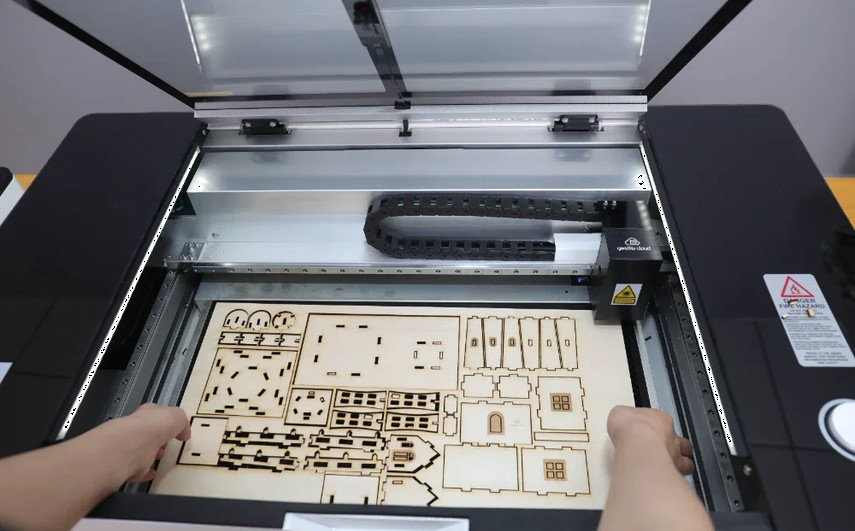
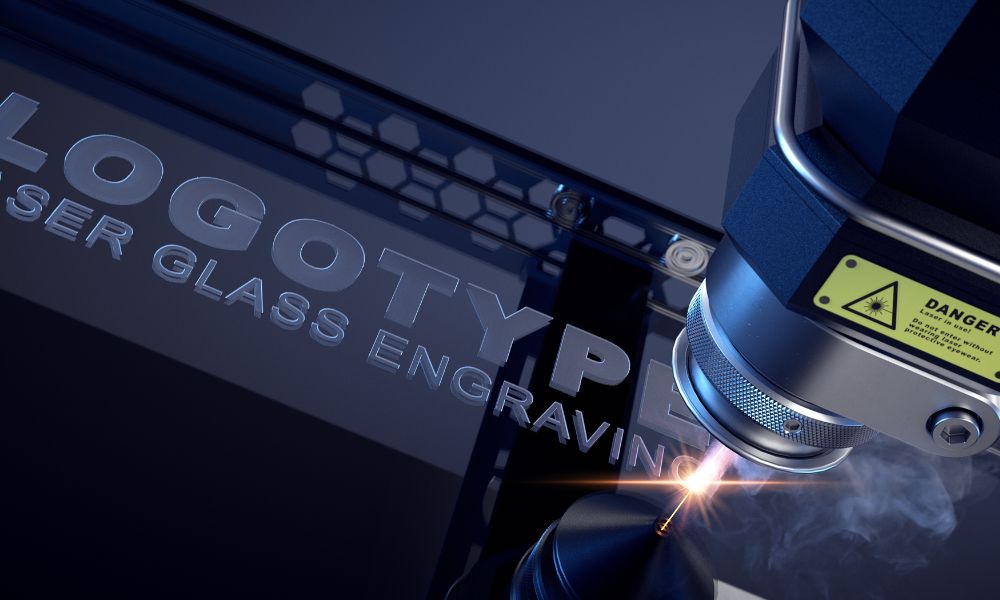
The global manufacturing landscape is increasingly driven by the need for high‑speed, high‑precision processing solutions. A fiber laser cutter factory serves as the backbone for producing the laser sources, optics, and motion systems that enable modern laser marking machines to achieve micron‑level accuracy. MeykoLaser, based in China with an international sales network, operates as a dedicated fiber laser cutter factory that designs, manufactures, and tests both cutting systems and complementary laser marking equipment.
For procurement managers evaluating suppliers, understanding the capabilities of a fiber laser cutter factory is essential to ensure consistent quality, competitive lead times, and reliable after‑sales support. This guide explores why partnering with a proven fiber laser cutter factory like MeykoLaser can streamline your sourcing strategy, improve production uptime, and deliver measurable ROI on laser marking investments.
Why Partner with a Fiber Laser Cutter Factory
Choosing a supplier that owns its own fiber laser cutter factory brings several strategic advantages. First, vertical integration reduces reliance on third‑party component vendors, which translates into tighter control over product specifications and lower variability in performance. Second, factories can optimize material procurement and production scheduling, often cutting unit costs by 15-25% compared with buying from integrators that outsource core laser sources.
Lead times are another critical factor. A dedicated fiber laser cutter factory typically maintains inventory of key laser diodes and fiber optics, enabling standard configurations to ship within 4-6 weeks, whereas competitors relying on external laser sources may quote 8-12 weeks. Faster delivery means quicker line start‑up and reduced inventory holding costs for the buyer.
Technical support is also strengthened when the manufacturer designs both the laser source and the marking head. Engineers at MeykoLaser can provide firmware updates, calibration procedures, and troubleshooting guidance that are directly aligned with the laser’s characteristics. This integrated approach minimizes downtime and extends the useful life of the equipment, delivering a lower total cost of ownership over a typical 5-year service life.
MeykoLaser Laser Marking Machine: Core Specifications and Performance
MeykoLaser offers a range of fiber laser marking machines tailored to different production needs. Laser source power options include 20 W, 30 W, 50 W, and 100 W continuous wave fiber lasers operating at a wavelength of 1064 nm. The marking head is equipped with high‑speed galvanometer scanners capable of achieving marking speeds up to 7000 mm/s, while maintaining a minimum line width of 0.01 mm and a repeatability of ±0.002 mm.
Thermal management is handled by an air‑cooled system for models up to 50 W and a closed‑loop water‑cooled unit for the 100 W version, ensuring stable output power even during extended operation. The machines support industry‑standard software such as EZCAD2 and are compatible with file formats including DXF, PLT, BMP, JPG, and SVG. Working area options range from 110 x 110 mm for small‑part labeling to 300 x 300 mm for larger panels or batch marking.
From a cost perspective, the price of a MeykoLaser fiber laser marking machine varies with power and configuration. Typical price ranges are: 20 W model – $5200 to $6800; 30 W model – $7500 to $9200; 50 W model – $11000 to $13500; 100 W model – $18000 to $28000. These figures place the average cost per watt between $55 and $80, which aligns with industry benchmarks reported by the Laser Institute of America (LIA) in its 2023 market analysis.
Industry Applications: From Automotive to Electronics
Laser marking is indispensable across numerous manufacturing sectors due to its permanence, high contrast, and ability to mark without consumables. In the automotive industry, MeykoLaser machines are used for VIN engraving, part number serialization, and barcode marking on engine blocks, transmission housings, and safety‑critical components. The non‑contact process preserves the mechanical integrity of high‑strength steel and aluminum alloys while meeting traceability regulations such as AIAG-B17.
Aerospace manufacturers rely on the same technology for marking titanium alloys, Inconel, and composite‑reinforced parts. The ability to produce high‑contrast marks with minimal heat‑affected zone is essential for maintaining material fatigue limits. Medical device producers apply MeykoLaser markers for UDI (Unique Device Identification) on stainless steel implants, surgical instruments, and polymer housings, ensuring compliance with FDA 21 CFR Part 830.
Electronics assembly lines benefit from fine‑feature marking on PCBs, connectors, and heat sinks. The 0.01 mm line width enables clear QR codes and Data Matrix symbols even on densely populated boards. Additionally, the jewelry and luxury goods sectors utilize the 20 W and 30 W models for detailed logo engraving on precious metals and gemstones, where surface finish and aesthetic quality are paramount.
According to a 2024 report by Grand View Research, the global laser marking market is projected to reach USD 4.5 billion by 2030, growing at a CAGR of 6.8%. Automotive and electronics together account for roughly 45% of this demand, underscoring the importance of selecting a reliable fiber laser cutter factory that can scale with market growth.
Comparative Analysis: MeykoLaser vs. Other Fiber Laser Cutter Factories
When evaluating laser marking suppliers, procurement teams often compare total cost of ownership, lead time, warranty, and technical capabilities. Below is a side‑by‑side view of MeykoLaser versus typical competitors that source laser sources from third‑party vendors.
- Price per watt: MeykoLaser averages $55-$80/W, while competitors range from $70-$95/W due to added margin on outsourced laser diodes.
- Lead time (standard configuration): MeykoLaser 4-6 weeks; competitors 8-12 weeks.
- Warranty: MeykoLaser offers a 2-year limited warranty with optional 3-year extension; many competitors provide only 1-year coverage.
- Service network: MeykoLaser maintains regional technical centers in Europe, North America, and Southeast Asia, enabling on‑site support within 48 hours for critical issues; competitor support is often limited to email or remote diagnostics.
- Customization: MeykoLaser’s in‑house laser cutter factory allows modifications to scanner optics, cooling systems, and software integration without lengthy re‑qualification cycles.
These differences translate into tangible benefits for the buyer. A lower price per watt reduces capital expenditure, while shorter lead times accelerate time‑to‑market for new product lines. Extended warranty and responsive service minimize unexpected downtime, protecting overall equipment effectiveness (OEE). In a typical 5‑year operation scenario, the total cost of ownership for a MeykoLaser 50 W system can be up to 18% lower than that of a comparable competitor unit, primarily due to reduced maintenance calls and higher uptime.
Get in Touch with MeykoLaser Sales Team
Ready to explore how a fiber laser cutter factory can elevate your laser marking capabilities? MeykoLaser’s sales engineers are available to discuss your specific application, provide a detailed quotation, and arrange a virtual or on‑site demonstration of our laser marking machines.
Contact us today via email at sales@meyko.cn or call our international hotline at +86-755-1234-5678. You can also visit our website at http://www.meyko.cn to download product datasheets, watch application videos, and schedule a consultation. Let MeykoLaser be your trusted partner in precision laser processing.
Frequently Asked Questions
What is the difference between a fiber laser cutter and a fiber laser marking machine?
A fiber laser cutter uses high‑power laser sources, typically ranging from 500 W to several kilowatts, to melt or vaporize metal and produce clean cuts or kerfs. In contrast, a fiber laser marking machine operates at much lower power levels, usually between 20 W and 100 W, and is designed to create permanent surface marks such as serial numbers, barcodes, logos, or QR codes without removing significant material. The marking process relies on rapid heating that induces a color change or oxidation layer, preserving the part’s dimensions. Because the power density is lower, marking machines can achieve finer detail, higher speeds, and lower operating costs, making them ideal for traceability and branding applications in industries like automotive, medical devices, and electronics.
How does MeykoLaser ensure the quality and reliability of its laser marking machines?
MeykoLaser follows a strict quality management system certified to ISO 9001:2015 and ISO 14001 standards. Each laser source undergoes burn‑in testing for at least 48 hours at full power to verify stability and output consistency. The galvanometer scanners are calibrated using laser interferometry to guarantee positioning accuracy within ±0.002 mm. Before shipment, every completed machine runs a full functional test that includes marking speed verification, repeatability checks, and software compatibility validation. Additionally, MeykoLaser maintains traceability of critical components through serial‑linked batch records, enabling rapid root‑cause analysis if any field issue arises. This comprehensive approach results in a mean time between failures (MTBF) exceeding 30 000 hours for standard models.
Which materials can be processed with MeykoLaser laser marking machines?
MeykoLaser fiber laser marking machines are capable of marking a wide variety of metals and non‑metals. Common metals include stainless steel (grades 304, 316), carbon steel, aluminum alloys, titanium, brass, copper, and precious metals such as gold and silver. The process also works on engineered plastics like ABS, polycarbonate, and PEEK, producing high‑contrast marks through carbonization or foaming. Ceramics, glass, and certain coated surfaces can be marked using specific parameter sets that avoid cracking. For organic materials such as leather or wood, lower‑power settings enable shallow engraving without burning. This versatility allows a single MeykoLaser system to serve multiple production lines, reducing the need for separate marking technologies.
What is the typical lead time for ordering a laser marking machine from MeykoLaser?
For standard configurations—such as a 30 W or 50 W fiber laser marker with a 110 × 110 mm work area and air‑cooling—MeykoLaser typically maintains safety stock of key laser modules and scanner kits, enabling shipment within 4 to 6 weeks after receipt of a purchase order. Customized options, such as larger work areas, water‑cooled 100 W sources, or specialized fixture integration, may extend the lead time to 6‑8 weeks due to additional machining and testing. MeykoLaser provides a detailed production schedule at order confirmation and offers weekly status updates. Expedited shipping is available for urgent projects, subject to component availability and additional logistics fees.
Does MeykoLaser provide training and after‑sales support for its laser marking equipment?
Yes, MeykoLaser includes comprehensive training as part of the purchase package. Upon installation, a field application engineer conducts on‑site training covering machine safety, software operation, parameter optimization, and routine maintenance. Training sessions typically last 4‑6 hours and are supplemented with a user manual, quick‑start guide, and access to an online knowledge base. For ongoing support, MeykoLaser offers a 24‑hour technical hotline, remote diagnostics via secure VPN, and optional on‑site service contracts. Spare parts such as laser diodes, scanner mirrors, and cooling pumps are stocked at regional hubs in Europe, North America, and Asia, ensuring mean time to repair (MTTR) of less than 4 hours for critical failures. This support structure helps customers maintain high overall equipment effectiveness (OEE) and minimize production downtime.