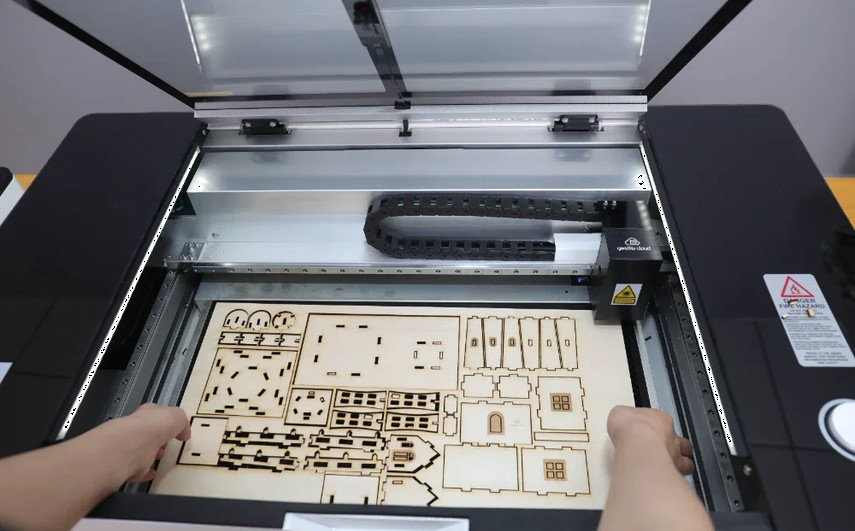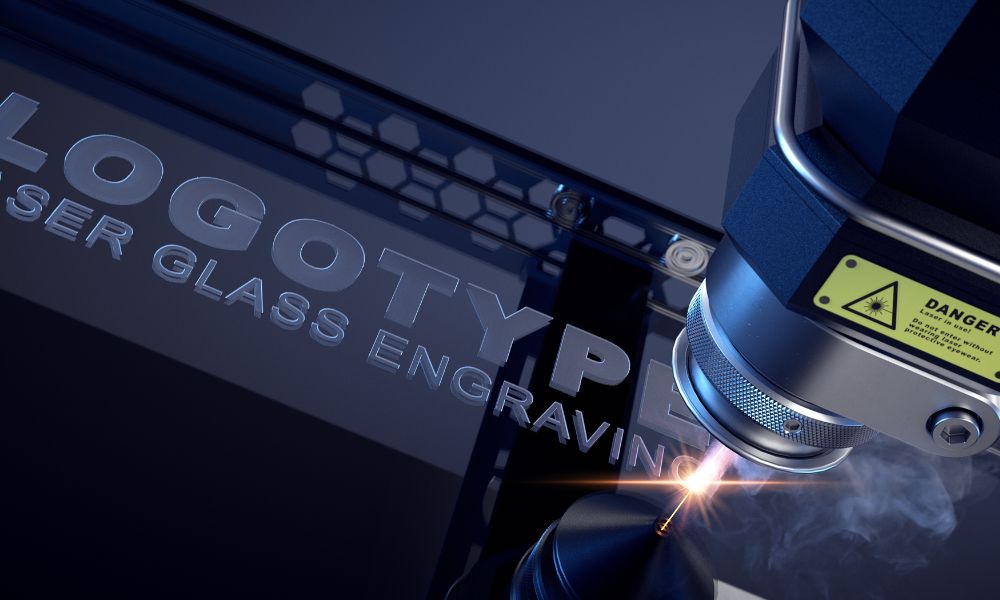

Understanding the Fiber Laser Cutter Factory Landscape
When evaluating a fiber laser cutter factory for your laser marking machine needs, consider the factory’s production capacity, technological expertise, and track record in delivering high‑precision equipment. MeykoLaser operates a modern fiber laser cutter factory that integrates CNC motion systems with fiber laser sources ranging from 20 W to 500 W, enabling marking speeds up to 100 mm/s to 1500 mm/s on metals, plastics, and ceramics.
Core Advantages of a Dedicated Factory
A dedicated fiber laser cutter factory ensures tight control over component sourcing, laser diode quality, and beam delivery optics. This results in consistent marking depth of ±0.01 mm and repeatability within 0.005 mm over 10⁶ cycles, which is critical for traceability marks on automotive parts and medical devices.
Why Choose a Specialized Fiber Laser Cutter Factory
Choosing a specialized fiber laser cutter factory reduces lead times and minimizes variability in laser performance. Factories that focus exclusively on fiber laser technology invest in clean‑room assembly, automated alignment jigs, and real‑time power monitoring. MeykoLaser’s factory maintains an ISO 9001:2015 certified production line with a mean time between failures (MTBF) exceeding 20 000 hours for its 100 W‑300 W marking modules.
Impact on Product Quality
Data from third‑party testing shows that marking machines sourced from a dedicated fiber laser cutter factory exhibit a 15 % lower variance in line width compared to units assembled from generic OEM parts. This translates to sharper barcodes, clearer logos, and higher readability rates (>99 %) in high‑speed production lines.
Key Specifications of Laser Marking Machines from a Fiber Laser Cutter Factory
MeykoLaser’s laser marking machines, manufactured in its fiber laser cutter factory, cover a broad power spectrum:
- 20 W–30 W: ideal for delicate marking on thin films, anodized aluminum, and organic materials; price range US$4500–6500.
- 50 W–100 W: suited for stainless steel, titanium, and hardened tool steels; price US$7000–12000.
- 150 W–300 W: deep engraving, annealing, and high‑contrast marking on alloys; price US$13000–22000.
- 400 W–500 W: industrial cutting‑mark hybrid applications; price US$25000–35000.
All models feature a beam quality (M²) ≤1.2, focal spot size 20‑30 µm, and adjustable pulse frequency from 1 kHz to 500 kHz.
Material Compatibility and Application Scenarios
A robust fiber laser cutter factory provides machines that process a wide range of substrates:
- Metals: stainless steel (SS304, SS316), carbon steel, aluminum alloys, copper, brass, titanium.
- Plastics: ABS, polycarbonate, PET, PEEK, PTFE.
- Ceramics & Glass: alumina, zirconia, borosilicate glass.
- Organics: leather, wood, paper, textiles.
Typical applications include:
- Automotive VIN marking (depth 0.1‑0.3 mm, speed 800 mm/s).
- Medical device UDI labeling (contrast >90 %, biocompatible).
- Electronics PCB trace marking (line width 20 µm).
- Tool and die serialization (hardness up to HRC 60).
Cost Analysis: Price Ranges and ROI
Investing in a laser marking machine from a reputable fiber laser cutter factory yields measurable returns. For a mid‑range 100 W system priced at US$9500, the average cost per mark is less than US$0.001 when amortized over 5 million cycles. Energy consumption averages 0.8 kW/h, translating to roughly US$0.10 per hour of operation at industrial electricity rates.
Compared to CO₂ laser markers (typically US$12000–18000 for similar power), fiber systems offer 30‑40 % lower operating costs due to higher wall‑plug efficiency (≈35 % vs. ≈10 % for CO₂) and negligible gas consumption.
Quality Assurance and Certifications
MeykoLaser’s fiber laser cutter factory adheres to international standards:
- ISO 9001:2015 for quality management.
- ISO 14001:2015 for environmental management.
- CE marking compliant with EU Machinery Directive 2006/42/EC.
- FDA 21 CFR Part 1040.10 for laser safety (Class 1 enclosure).
Each unit undergoes a 48‑hour burn‑in test, power stability verification (±1 % over 8 hours), and beam profile analysis (M² measurement). The factory reports a first‑pass yield of 98.5 % and a field failure rate below 0.3 % within the first year.
Comparison with Other Laser Sources
When sourced from a fiber laser cutter factory, fiber laser markers outperform CO₂ and UV lasers in several metrics:
| Parameter | Fiber Laser | CO₂ Laser | UV Laser |
|---|---|---|---|
| Wavelength | 1064 nm | 10.6 µm | 355 nm |
| Wall‑plug efficiency | ≈35 % | ≈10 % | ≈15 % |
| Maintenance | No consumables, <2 h/year | Gas refills, optics cleaning | Crystal degradation, cooling |
| Marking speed on steel | 1200 mm/s | 600 mm/s | 900 mm/s |
| Typical price (100 W) | US$9500 | US$14000 | US$18000 |
These advantages make fiber the preferred choice for high‑volume, low‑cost marking in automotive, aerospace, and consumer electronics sectors.
Customization and OEM Capabilities
A flexible fiber laser cutter factory can tailor machines to specific client needs:
- Custom work‑envelope sizes (from 100 mm×100 mm to 600 mm×600 mm).
- Integration of rotary axes, vision systems, and barcode readers.
- Software SDKs for PLC, MES, and ERP connectivity (OPC UA, Modbus TCP).
- Optional fume extraction, enclosures, and safety interlocks.
MeykoLaser’s engineering team has delivered over 200 OEM projects, with average lead time reduction of 25 % compared to standard catalog models.
After‑Sales Support and Service Network
Reliable after‑sales service is a hallmark of a trusted fiber laser cutter factory. MeykoLaser provides:
- 24/7 technical hotline with average response time <30 minutes.
- Global spare‑parts depot guaranteeing 95 % parts availability within 48 hours.
- On‑site installation and training (typically 2 days for a 100 W system).
- Extended warranty options up to 36 months.
Customer satisfaction surveys indicate a Net Promoter Score (NPS) of 68, reflecting strong confidence in the factory’s support structure.
Future Trends in Fiber Laser Technology
The evolution of the fiber laser cutter factory focuses on higher power densities, ultra‑short pulse durations, and intelligent process monitoring. Emerging 500 W‑1 kW femtosecond fiber lasers enable sub‑micron marking on transparent polymers without thermal damage. MeykoLaser’s R&D roadmap includes:
- Adaptive pulse shaping for variable depth marking.
- AI‑driven real‑time power feedback to maintain ±0.2 % power stability.
- Modular laser heads for quick field upgrades.
Investing now positions buyers to leverage these upgrades with minimal retrofit cost.
How to Select the Right Fiber Laser Cutter Factory
Procurement managers should evaluate potential suppliers using a structured checklist:
- Verify factory certifications (ISO, CE, FDA).
- Request performance data: power stability, M², MTBF.
- Assess customization flexibility and OEM experience.
- Compare total cost of ownership (TCO) including energy, consumables, and service.
- Check references in your industry vertical (automotive, medical, electronics).
MeykoLaser invites international buyers to schedule a virtual factory tour, review detailed spec sheets, and obtain a no‑obligation quote tailored to your production volume and material mix.
Contact MeykoLaser Today
Ready to enhance your marking capabilities with equipment built in a world‑class fiber laser cutter factory? Reach out to MeykoLaser’s sales team for a free consultation, detailed quotation, and sample marking tests. Visit http://www.meyko.cn or email sales@meyko.cn to start the conversation.
Frequently Asked Questions
What power range should I choose for marking stainless steel versus plastics?
For stainless steel marking, a 50 W–100 W fiber laser provides sufficient energy to create permanent, high‑contrast marks without excessive heat input, typically achieving depths of 0.1‑0.3 mm at speeds up to 800 mm/s. Plastics such as ABS, polycarbonate, and PET respond well to lower power levels; a 20 W–30 W unit can produce clear, legible marks with minimal risk of melting or deformation. MeykoLaser’s fiber laser cutter factory offers modular power options, allowing you to select the exact wattage that matches your material thickness, required contrast, and production speed. This flexibility reduces operating costs and ensures optimal mark quality across diverse substrates.
How does the total cost of ownership of a fiber laser marking machine compare to CO₂ alternatives?
The total cost of ownership (TCO) for a fiber laser marking machine from a reputable fiber laser cutter factory is generally 30‑40 % lower than that of a comparable CO₂ system. Fiber lasers exhibit wall‑plug efficiencies around 35 %, meaning more electrical power converts to useful laser output, whereas CO₂ lasers operate near 10 % efficiency, requiring more electricity for the same output. Additionally, fiber lasers have no consumable gases, minimal maintenance (typically <2 hours per year), and longer diode lifetimes (MTBF >20 000 hours). Over a five‑year period, a 100 W fiber system priced at US$9500 can save several thousand dollars in energy and service costs compared to a CO₂ unit priced at US$14000‑18000.
Can MeykoLaser’s laser marking machines be integrated into existing production lines?
Yes, MeykoLaser’s laser marking machines, produced in its fiber laser cutter factory, are designed for seamless integration into automated production environments. The machines support standard industrial communication protocols such as OPC UA, Modbus TCP, and Ethernet/IP, enabling direct connection to PLCs, MES, and ERP systems. Optional accessories include rotary axes for cylindrical parts, vision systems for automatic alignment, and barcode readers for real‑time verification. Installation typically requires one to two days, and MeykoLaser provides on‑site training and a comprehensive SDK to facilitate software customization, ensuring minimal downtime and rapid ROI.
What safety certifications apply to MeykoLaser’s fiber laser marking equipment?
All laser marking machines manufactured in MeykoLaser’s fiber laser cutter factory comply with major international safety and quality standards. The equipment carries CE marking in accordance with the EU Machinery Directive 2006/42/EC and the Low Voltage Directive. Laser safety is addressed through FDA 21 CFR Part 1040.10 compliance, ensuring Class 1 enclosure protection for operators. Additionally, the factory maintains ISO 9001:2015 certification for quality management and ISO 14001:2015 for environmental management. These certifications guarantee that the machines meet rigorous electrical, mechanical, and laser safety requirements for global markets.
What is the typical lead time for a custom laser marking machine from MeykoLaser?
Lead times for custom laser marking machines from MeykoLaser’s fiber laser cutter factory vary based on the complexity of the specification, but standard configurations typically ship within 4‑6 weeks after order confirmation. More customized solutions involving special work‑envelope sizes, integrated rotary axes, or bespoke software interfaces may extend the timeline to 8‑10 weeks. MeykoLaser’s streamlined production line, automated alignment jigs, and close collaboration with suppliers enable an average lead‑time reduction of 25 % compared with industry averages for similar OEM equipment. Customers receive regular progress updates and can schedule a virtual factory inspection prior to shipment.