
Why CO2 Lasers Are the Industry Standard for Acrylic Signage
In the competitive landscape of industrial signage and branding, visual impact is paramount. Procurement managers and manufacturing leads know that the difference between a mediocre sign and a premium, high-value product lies in the edge quality. This is where a CO2 laser engraver for acrylic signs becomes an indispensable asset in your production line. Unlike mechanical routing or chemical polishing, which can introduce micro-fractures or inconsistent finishes, laser processing offers a non-contact, highly precise method that melts and re-solidifies the material at a molecular level.
Acrylic, or polymethyl methacrylate (PMMA), is the most popular material for modern signage due to its transparency, durability, and ease of fabrication. However, it presents unique challenges during processing. Standard lasers can cause yellowing, charring, or excessive melting, which detracts from the professional aesthetic required by B2B clients. MeykoLaser’s advanced CO2 laser systems are specifically engineered to address these challenges, utilizing high-frequency inverters and optimized beam delivery systems to ensure clean, bubble-free cuts and crisp, high-contrast engravings.
Technical Specifications: Power, Precision, and Material Compatibility
Selecting the right laser equipment requires a deep understanding of the correlation between laser power, cutting speed, and material thickness. For acrylic signage, which typically ranges from 2mm to 20mm in thickness, a CO2 laser engraver for acrylic signs must offer variable power control to handle both delicate engraving and robust cutting tasks.
Optimal Power Ranges for Acrylic Processing
MeykoLaser recommends a power range of 80W to 150W for general signage production. Here is the breakdown of performance metrics:
- 80W-100W Systems: Ideal for thin acrylic sheets (2mm-6mm). These systems provide exceptional speed for high-volume engraving and thin cutting. The focused beam allows for intricate details on promotional items and small batch orders.
- 130W-150W Systems: The sweet spot for medium to thick acrylic (6mm-15mm). This power range ensures clean through-cuts without the need for multiple passes, significantly reducing cycle times. It also supports the cutting of black or opaque acrylic, which requires higher energy absorption.
Beam Quality and Focal Length
The quality of the CO2 laser tube is critical. MeykoLaser utilizes RF-excited or high-quality glass-tube CO2 lasers with a beam quality factor (M²) close to 1. A stable beam ensures that the kerf (cut width) remains consistent, typically between 0.1mm and 0.3mm, depending on the nozzle size. This precision is vital for signage that requires tight tolerances for assembly or mounting.
Compatible Materials Beyond Acrylic
While acrylic is the primary focus, a versatile CO2 laser engraver for acrylic signs should also handle other common signage materials. MeykoLaser machines are optimized for:
- Wood and MDF: For backings and decorative elements.
- PVC and ABS: For industrial labels and nameplates (note: ventilation is required for PVC).
- Fabric and Leather: For textile branding and luxury packaging.
Application Scenarios: From Retail Displays to Industrial Labels
The versatility of laser engraving extends far beyond simple text cutting. MeykoLaser’s clients utilize these machines for a diverse range of B2B applications, driving efficiency and reducing waste.
1. Edge-Glow Illuminated Signage
One of the most sought-after features in modern signage is the "edge glow" effect, where light from an internal LED source travels through the acrylic and exits at the cut edges, creating a luminous outline. This effect is only achievable with a pristine, polished cut. Mechanical tools leave rough edges that scatter light, resulting in a dull appearance. A CO2 laser engraver for acrylic signs from MeykoLaser produces a naturally polished edge due to the rapid melting and cooling process, eliminating the need for secondary flame polishing steps. This reduces labor costs by up to 40% and ensures every sign meets premium quality standards.
2. High-Contrast Engraving for Branding
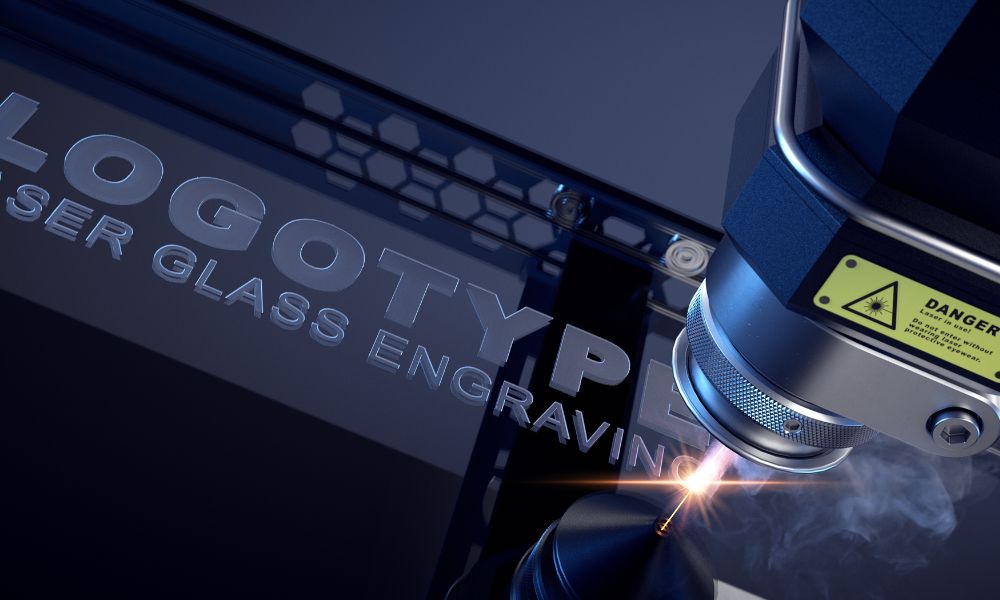
Engraving logos and text onto acrylic requires precise energy control to avoid deep gouging. MeykoLaser’s software integration allows for vector-based engraving with adjustable power and speed settings. By using a technique called "raster engraving" with low power and high speed, operators can create frosted, white-contrast marks on clear acrylic. This is ideal for corporate branding, door plates, and award plaques, where a subtle yet permanent mark is preferred over deep cutting.
3. Complex Geometric Shapes and Interlocking Parts
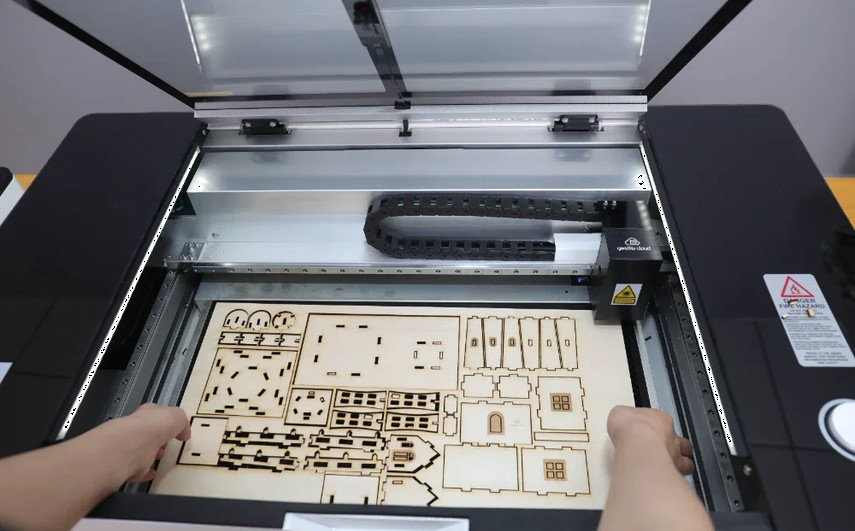
For architectural signage and 3D lettering, complex geometries are often required. The precision of CO2 lasers allows for the cutting of intricate curves and interlocking pieces that fit together seamlessly. This is particularly useful for creating modular signage systems that can be easily assembled and disassembled for events or exhibitions.
Comparative Analysis: CO2 Laser vs. Mechanical Routing
Procurement managers often evaluate whether to invest in laser technology or stick with traditional mechanical routers. The data clearly favors laser processing for acrylic, especially in high-volume or high-precision environments.
| Feature | CO2 Laser Engraver | Mechanical Router |
|---|---|---|
| Edge Quality | Polished, smooth, no post-processing needed | Rough, requires flame or chemical polishing |
| Tool Wear | No physical contact, no tool wear | Bits wear out, requiring frequent replacement |
| Production Speed | High (parallel processing via nesting) | Slower (single point of contact) |
| Material Waste | Minimal (narrow kerf) | Higher (wider kerf, dust generation) |
| Noise Level | Low (quiet operation) | High (significant mechanical noise) |
| Initial Investment | Higher | Lower |
| Operational Cost | Low (electricity + gas) | Medium (bits + maintenance) |
While the initial CAPEX for a CO2 laser engraver for acrylic signs is higher, the OPEX savings from reduced labor, no tool replacement, and faster throughput result in a faster ROI, typically within 12-18 months for medium-sized production facilities.
Optimizing Your Workflow with MeykoLaser Technology
To maximize the efficiency of your CO2 laser engraver for acrylic signs, MeykoLaser recommends integrating automated workflow solutions. Our machines support standard file formats (DXF, AI, CDR) and integrate seamlessly with popular CAD/CAM software. Additionally, the use of assist gases, such as compressed air or nitrogen, can further enhance cut quality. For clear acrylic, high-pressure air helps blow away molten material from the cut zone, preventing residue buildup and ensuring a crystal-clear finish.
Furthermore, MeykoLaser provides comprehensive training and after-sales support. Our technical team assists with parameter optimization, ensuring that your operators can quickly adapt to new materials or thicknesses. This support is crucial for maintaining consistent quality across large production runs.
Call to Action: Upgrade Your Signage Production Today
Investing in a high-performance CO2 laser engraver for acrylic signs is not just about buying a machine; it is about upgrading your entire production capability. By choosing MeykoLaser, you gain access to cutting-edge technology, reliable support, and a partner dedicated to your success. Whether you are producing thousands of retail displays or custom architectural elements, our lasers deliver the precision and consistency your business demands.
Contact our sales team today to request a custom quote and discuss your specific production needs. Discover how MeykoLaser can help you achieve flawless edge glow and increased profitability.
Frequently Asked Questions
Can a CO2 laser engraver cut black acrylic effectively?
Yes, a CO2 laser engraver for acrylic signs can cut black acrylic, but it requires higher power and specific settings. Black acrylic absorbs more laser energy, which can lead to charring if not managed correctly. MeykoLaser machines offer adjustable power and pulse frequency controls to optimize the cut, ensuring clean edges without excessive burning. Typically, 130W or higher power is recommended for thick black acrylic to maintain cutting speed and quality.
What is the typical lifespan of a CO2 laser tube?
The lifespan of a CO2 laser tube generally ranges from 8,000 to 10,000 hours under normal operating conditions. MeykoLaser uses high-quality tubes with extended lifespans to minimize downtime and maintenance costs. Factors such as cooling efficiency, voltage stability, and proper usage can significantly impact longevity. Regular maintenance, including cleaning mirrors and lenses, is essential to maximize the tube's performance and lifespan.
Do I need a fume extractor when cutting acrylic?
Yes, a fume extractor is highly recommended and often mandatory for safety and equipment longevity. Cutting acrylic produces smoke and particulate matter that can damage the laser tube's mirrors and lenses if not removed. MeykoLaser systems can be integrated with industrial fume extraction units to ensure a clean working environment and protect the internal components of the CO2 laser engraver for acrylic signs from heat and debris buildup.
How does MeykoLaser support international buyers?
MeykoLaser provides comprehensive support for international B2B buyers, including detailed technical documentation, video tutorials, and remote diagnostics. Our team is experienced in handling global logistics, customs clearance, and on-site installation if required. We also offer extended warranty options and readily available spare parts to ensure minimal downtime for our clients worldwide. Contact us for a tailored support plan.
What is the difference between engraving and cutting acrylic with a CO2 laser?
Engraving removes a thin layer of material to create a surface mark, typically using lower power and higher speed settings. Cutting, on the other hand, requires sufficient power to melt through the entire thickness of the acrylic, resulting in a complete separation. A CO2 laser engraver for acrylic signs can perform both tasks, but the parameters must be adjusted accordingly. Engraving is used for logos and text, while cutting is used for shaping the sign's outline.