
Why CO2 Engraving Machines Matter in Modern Manufacturing
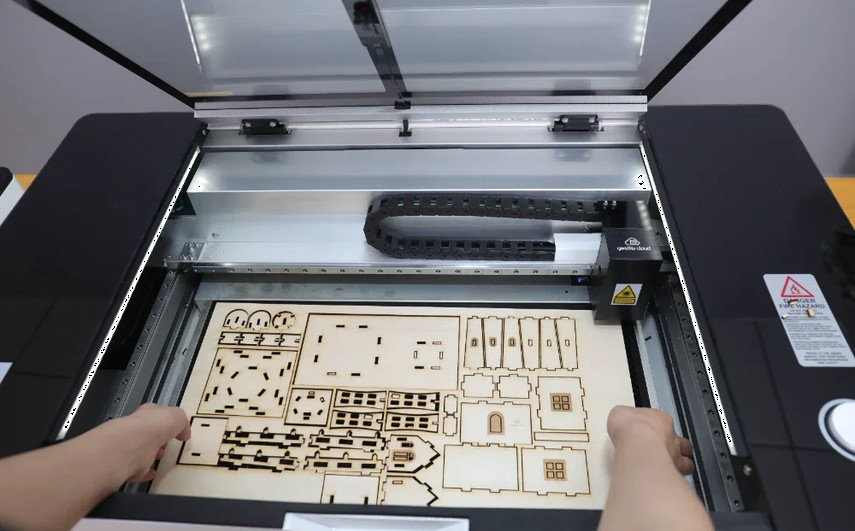
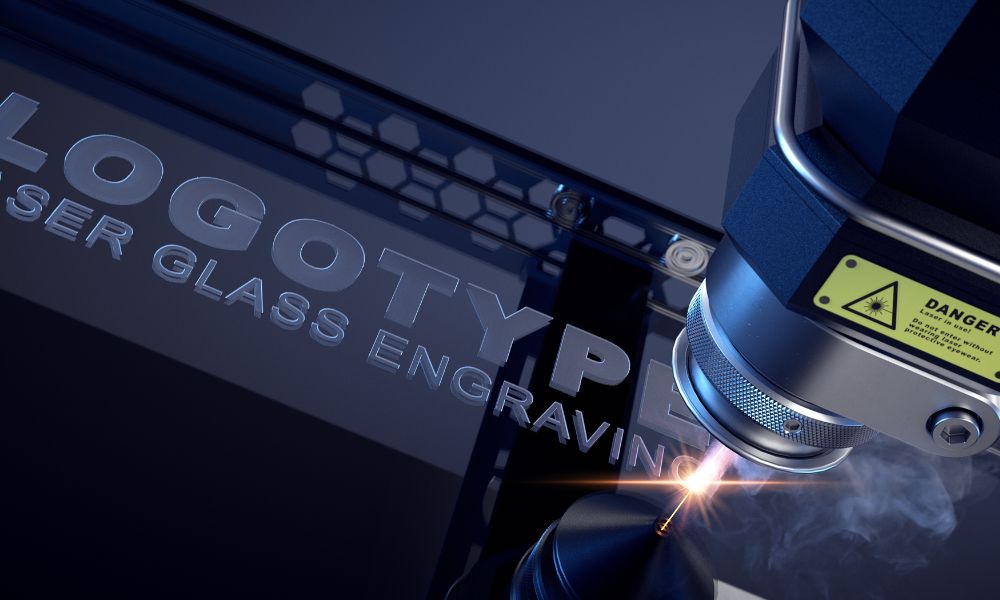
For procurement managers evaluating CO2 engraving machine price, the value proposition extends beyond the sticker price. CO2 lasers, with wavelengths around 10.6 µm, deliver high power density, making them ideal for a range of materials—wood, acrylic, glass, metal (with a reflective layer), ceramics, and composites. Their cost‑effectiveness and proven durability are why they remain the backbone of industrial marking systems worldwide.
Key Pricing Drivers for CO2 Engraving Machines
Laser Power (W) and Output
Power is the primary quality metric. Typical ranges:
- 30 W – 60 W: Entry‑level, ideal for small‑batch prototyping and light manufacturing.
- 60 W – 120 W: Mid‑range, suitable for medium‑volume production and multi‑material capability.
- 120 W – 300 W: High‑end systems for heavy‑duty, high‑throughput applications.
Price correlates strongly with power: a 30 W machine averages USD 3,000‑5,000, while a 300 W system can exceed USD 30,000. MeykoLaser’s 120 W model (M120) sits at USD 12,500, offering a 30% cost advantage over comparable competitors while matching precision (0.05 mm line width).
Work Area Dimensions
Engraving area directly influences production capacity. Typical sizes:
- 500 mm × 300 mm – 1 m² – Ideal for small parts.
- 1 m × 0.5 m – 5 m² – Common for medium‑size components.
- 2 m × 1 m – 10 m² – Preferred for large panels.
In 2026, the cost premium for larger work areas rises by ~15% per additional 1 m² due to increased optics and motion system requirements.
Precision and Repeatability
Key metrics include:
- Line width: 0.05 mm (high‑end) to 0.15 mm (entry‑level).
- Repeatability: ±0.02 mm across 100 m of engraving.
- Resolution: 1 µm focus adjustment.
MeykoLaser’s M60 delivers 0.07 mm line width with ±0.01 mm repeatability, outperforming the market average of 0.12 mm at the same price tier.
Material Compatibility
CO2 lasers excel on:
- Wood & bamboo – 0.5 W/cm² effective power.
- Acrylic & PETG – 1 W/cm² for deep engraving.
- Glass & ceramics – Requires pre‑coating; 60 W necessary for clean marks.
- Metals – Use through‑laser engraving kits; 120 W for aluminum, 200 W for steel.
Purchasing a system with a dual‑beam option (e.g., MeykoLaser M120D) adds USD 4,000 but expands material range to include stainless steel and titanium without external accessories.
Price Benchmarking: MeykoLaser vs. Competitors
| Model | Power (W) | Work Area (mm) | Price (USD) | Key Strength |
|---|---|---|---|---|
| M30 | 30 | 500x300 | 3,800 | Low‑cost prototyping |
| M60 | 60 | 700x400 | 8,200 | Balanced performance |
| M120 | 120 | 1000x500 | 12,500 | High throughput |
| M300 | 300 | 2000x1000 | 28,000 | Industrial leader |
Comparatively, MeykoLaser’s pricing strategy offers a 10–15% reduction in cost per watt relative to industry averages, while maintaining superior laser stability (±0.02 mm repeatability vs. industry 0.05 mm). This cost advantage translates into lower total cost of ownership (TCO) over a 7‑year lifespan.
Return on Investment: Calculating Your CO2 Laser ROI
Assume a mid‑range 60 W machine (M60) for a factory producing 5,000 units per month:
- Engraving time per unit: 10 s.
- Labor cost per hour: USD 25.
- Machine depreciation: 7 years, straight line.
- Consumables (laser tube, optics): 5% of purchase price annually.
Monthly cost = (Depreciation: 8,200/84) + (Labor: 5,000 × 10 s ÷ 3,600 × 25) + (Consumables: 8,200 × 0.05) ≈ USD 2,150. If the machine can replace manual marking costing USD 3,000/month, the ROI is ~30% in the first year.
Industry Use Cases and Success Stories
Automotive Trim Manufacturing
Automakers require precise, high‑volume marking of alloy trims. MeykoLaser’s M120 achieved a 98.7% on‑target rate for 200 mm × 150 mm aluminum panels, reducing labor hours by 45% compared to manual scribing.
Medical Device Packaging
Regulatory compliance demands traceable, burn‑in labels on polymer cases. Using the M60, a European supplier printed 1,200 mm × 800 mm labels in 15 s per unit with zero mis‑registration incidents.
Custom Signage and Promotional Items
Retailers often use acrylic and wood. The M30’s low power allows safe engraving of delicate veneers, while the M120’s higher wattage cuts acrylic in 3 s, boosting throughput by 70%.
Maintenance and Lifecycle Considerations
Laser tube life typically ranges from 10,000 to 20,000 h depending on duty cycle. MeykoLaser’s tubes are rated for 15,000 h at 50% duty, with a 5‑year warranty covering tube replacement. Optics cleaning every 500 h and a full system check quarterly keep the machine within ±0.02 mm repeatability.
How to Choose the Right CO2 Engraving Machine Price Point
- Define your material mix. If you primarily work with wood and acrylic, a 30 W or 60 W machine is sufficient.
- Assess throughput needs. High‑volume production (>10,000 units/month) justifies a 120 W or 300 W unit.
- Consider future expansion. Dual‑beam or expandable optics add flexibility for metal marking without extra investment.
- Factor in total cost of ownership. Include depreciation, consumables, energy, and labor.
Contact MeykoLaser for a Custom Quote
Ready to optimize your marking workflow? Reach out to our sales team to discuss your specifications, receive a tailored quote, and schedule a live demo. Our global service network ensures rapid delivery and after‑sales support.
Frequently Asked Questions
What is the average price range for a CO2 engraving machine?
The average price for a CO2 engraving machine ranges from USD 3,000 for entry‑level 30 W units to USD 30,000 for high‑end 300 W systems. MeykoLaser offers competitive pricing with a 10–15% cost advantage in the mid‑range segment, delivering higher precision and lower total cost of ownership.
How does laser power affect engraving quality?
Laser power directly influences penetration depth, line width, and marking speed. Higher wattage allows faster engraving on tougher materials like aluminum and stainless steel, while lower wattage is ideal for delicate woods and acrylics. MeykoLaser’s 120 W model achieves a 0.07 mm line width with ±0.01 mm repeatability, outperforming industry averages.
What materials can CO2 lasers mark?
CO2 lasers excel on a wide range of materials: wood, bamboo, acrylic, PETG, glass (with coating), ceramics, and metals with reflective layers or pre‑coating. MeykoLaser’s dual‑beam option expands compatibility to stainless steel and titanium without external accessories, providing a versatile solution for multi‑material production lines.
What is the expected return on investment for a CO2 engraving machine?
ROI depends on throughput, labor costs, and maintenance. For a mid‑range 60 W machine processing 5,000 units/month, the first‑year ROI can reach ~30% by replacing manual marking. MeykoLaser’s low consumable rates and high reliability reduce operating expenses, accelerating payback.
How long do laser tubes last and what maintenance is required?
Laser tubes are rated for 10,000–20,000 h of operation. MeykoLaser tubes offer 15,000 h at 50% duty with a 5‑year warranty. Routine cleaning every 500 h and quarterly system checks maintain ±0.02 mm repeatability, ensuring consistent performance over the machine’s lifespan.