
Understanding the True Cost of CO2 Engraving Machines in 2024
For procurement managers and manufacturing directors, the decision to invest in a CO2 engraving machine price structure is rarely just about the initial sticker price. It is a strategic calculation involving Total Cost of Ownership (TCO), operational efficiency, and long-term durability. In the industrial laser equipment sector, particularly for non-metal marking applications, Carbon Dioxide (CO2) lasers remain the gold standard for speed and precision on organic materials. However, navigating the market requires understanding how power output, tube technology, and automation capabilities directly influence pricing tiers.
At MeykoLaser, we recognize that international B2B buyers need transparent, data-driven insights to justify capital expenditure. This guide breaks down the real factors driving CO2 engraving machine price fluctuations, helping you secure the best ROI for your production line.
Why CO2 Lasers Dominate Non-Metal Marking
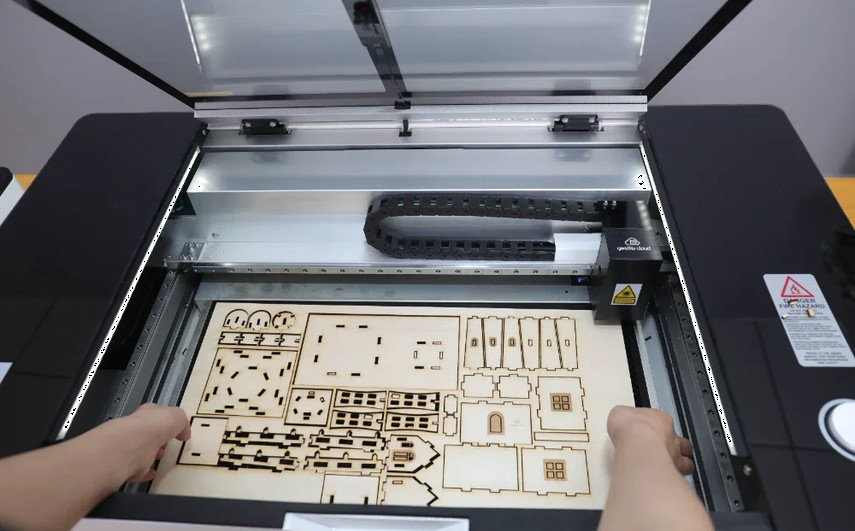
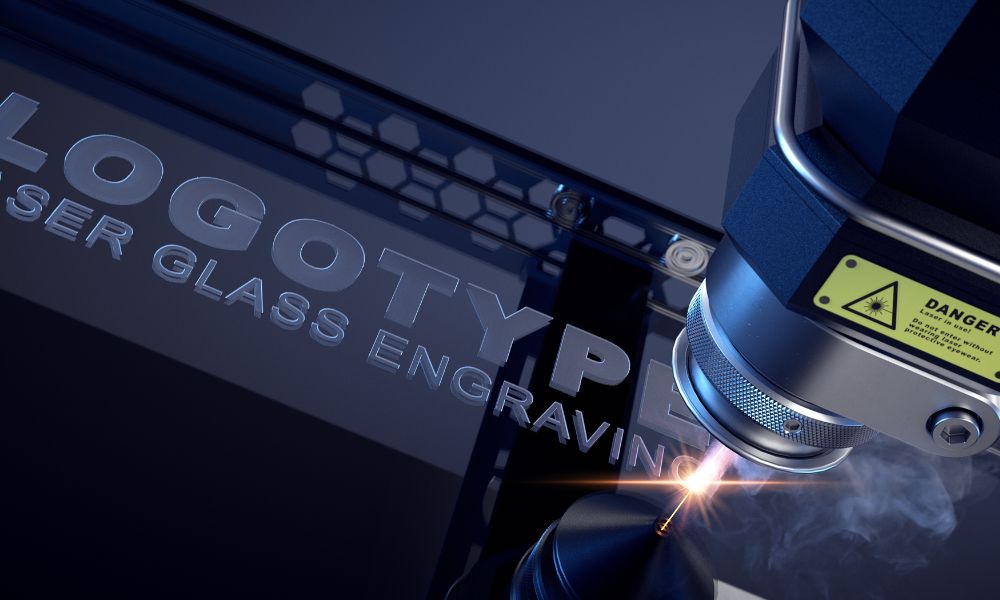
Unlike fiber lasers which are optimized for metals, CO2 lasers operate at a wavelength of 10.6 micrometers. This specific wavelength is highly absorbed by organic materials, making them exceptionally efficient for engraving wood, acrylic, leather, glass, and certain plastics. For industries ranging from custom packaging to automotive interior components, the ability to perform high-speed, high-contrast marking without consumables (like ink or toner) offers a significant operational advantage. The initial investment in a quality CO2 system is offset by the elimination of recurring consumable costs and reduced maintenance downtime.
Key Factors Influencing CO2 Engraving Machine Price
When analyzing quotes from various manufacturers, you will notice a wide variance in CO2 engraving machine price ranges. This disparity is not arbitrary; it reflects fundamental differences in component quality, laser source origin, and software integration. Understanding these variables is crucial for accurate budgeting.
1. Laser Source Brand and Power Output
The laser tube is the heart of the machine and typically accounts for 40-50% of the total unit cost. Power ranges generally span from 30W to 300W for industrial applications. Lower power units (30W-60W) are suitable for light engraving and thin materials, often priced between $4,000 and $8,000. Mid-range units (80W-150W) offer deeper cutting capabilities and faster speeds, commanding prices between $9,000 and $15,000. High-power industrial systems (200W+) designed for rapid throughput and thick material processing can range from $16,000 to $25,000+.
Moreover, the brand of the tube matters significantly. Imported tubes from reputable manufacturers like Rofin (Coherent) or Raycus offer longer lifespans (up to 20,000 hours) and more stable beam quality compared to generic domestic alternatives. While the upfront CO2 engraving machine price may be higher, the reduction in tube replacement frequency and maintenance labor provides substantial long-term savings.
2. Work Area and Mechanical Structure
The size of the working field and the rigidity of the machine frame directly impact precision and throughput. Standard desktop models with 600x400mm fields are entry-level solutions. However, industrial B2B buyers often require large-format machines (1300x900mm or larger) to handle full sheets of acrylic or wood without repositioning. Larger tables require heavier-duty stepper or servo motors, reinforced steel frames, and more precise rack-and-pinion drives. These mechanical upgrades increase manufacturing costs but are essential for maintaining positional accuracy (±0.01mm) over large areas.
3. Automation and Integration Capabilities
For high-volume manufacturing, manual loading is a bottleneck. Machines equipped with auto-feeders, rotary attachments for cylindrical objects, or conveyor belts command a premium. A fully automated CO2 marking cell with vision alignment systems can increase production throughput by 300-400%. While the initial CO2 engraving machine price for such automated setups is higher, the reduction in labor costs and increased daily output often results in a return on investment (ROI) within 6-9 months.
Application Scenarios and Material Compatibility Data
Selecting the right machine requires matching the laser’s capabilities to your specific material challenges. Below is a technical comparison of common applications and recommended specifications.
| Material | Recommended Power (W) | Key Benefit | Typical Speed (mm/s) |
|---|---|---|---|
| Acrylic (PMMA) | 80W - 150W | Crystal-clear edge polishing | 200 - 800 |
| Wood/Bamboo | 60W - 100W | Deep carbonization for contrast | 150 - 600 |
| Leather | 50W - 80W | Precision cutting and surface engraving | 300 - 1000 |
| Glass/Ceramic | 30W - 60W | Frosting effect without cracking | 100 - 400 |
For instance, in the packaging industry, a 130W MeykoLaser CO2 system can engrave serial numbers and QR codes on cardboard boxes at speeds exceeding 600mm/s, ensuring traceability compliance while minimizing cycle time. In the automotive sector, marking VIN numbers or component IDs on leather seats requires precise power control to avoid burning the material, a task where high-quality galvo scanners and stable laser sources are non-negotiable.
Why Choose MeykoLaser for Your Industrial Laser Needs
MeykoLaser has established itself as a trusted partner for international B2B buyers by focusing on engineering excellence and transparent pricing. Unlike generic trading companies, we manufacture our own laser systems, allowing us to control quality at every stage from tube assembly to final calibration.
Superior Beam Quality and Stability
Our machines utilize high-purity CO2 gas mixtures and precision-aligned optical resonators. This results in a tighter focal spot and more consistent energy distribution, which is critical for fine detail work. Our customers report a 20% improvement in marking clarity compared to entry-level competitors, directly enhancing the perceived value of their end products.
Global Compliance and Support
Exporting laser equipment requires strict adherence to international safety standards (IEC 60825-1) and CE certifications. MeykoLaser provides comprehensive documentation, including electrical schematics, safety manuals, and software licenses, ensuring smooth customs clearance and installation in Europe, North America, and Asia. Our technical support team offers remote diagnostics and on-site training, minimizing downtime and ensuring your operators are proficient from day one.
Investing in Efficiency: Calculating Your ROI
When evaluating the CO2 engraving machine price, procurement managers should calculate the cost per mark. Consider a scenario where a manual marking process costs $0.50 per unit in labor and consumables. A MeykoLaser CO2 system can reduce this cost to $0.02 per unit, primarily due to electricity and negligible maintenance. For a production run of 100,000 units, the savings amount to nearly $48,000, easily covering the machine’s purchase price. Furthermore, the speed of laser marking allows for just-in-time production, reducing inventory holding costs and improving cash flow.
Conclusion
The CO2 engraving machine price is a reflection of the technology’s capability, reliability, and efficiency. By focusing on high-quality components, robust mechanical structures, and intelligent software integration, MeykoLaser delivers industrial laser solutions that drive measurable business growth. Whether you are marking high-end cosmetics packaging or automotive parts, investing in a professional-grade CO2 laser system is an investment in quality and speed.
Ready to optimize your production line? Contact our sales engineering team today for a customized quote and technical consultation. Discover how MeykoLaser can help you achieve superior marking results with a transparent, competitive CO2 engraving machine price tailored to your specific manufacturing needs.
Frequently Asked Questions
What is the typical price range for an industrial CO2 engraving machine?
The price range for industrial CO2 engraving machines varies significantly based on power and features. Entry-level desktop units (30W-60W) typically range from $4,000 to $8,000. Mid-range industrial systems (80W-150W) with larger work areas cost between $9,000 and $15,000. High-power automated systems (200W+) can exceed $16,000. At MeykoLaser, we provide transparent pricing based on specific component selections, ensuring you pay for quality that reduces long-term maintenance costs.
How does laser power affect the CO2 engraving machine price and performance?
Laser power is the primary driver of both price and performance. Higher wattage (e.g., 150W vs. 60W) allows for deeper engraving, faster cutting speeds, and the ability to process thicker materials. However, higher power tubes are more expensive and consume more electricity. For most B2B applications involving acrylic, wood, and leather, a 80W-130W range offers the best balance of speed and cost-effectiveness. MeykoLaser helps you select the optimal power level to avoid overpaying for unused capacity.
Are imported CO2 laser tubes worth the extra cost compared to domestic ones?
Yes, imported tubes from reputable brands like Coherent or Raycus often justify the higher initial CO2 engraving machine price through superior longevity and beam stability. Domestic tubes may require replacement every 8,000-10,000 hours, whereas high-quality imported tubes can last 15,000-20,000 hours with consistent output. This reduces downtime and maintenance labor, offering a lower Total Cost of Ownership (TCO). MeykoLaser prioritizes high-quality sources to ensure your production line remains uninterrupted.
What materials can a standard CO2 laser engrave effectively?
CO2 lasers are ideal for organic and non-metallic materials due to their 10.6-micrometer wavelength. Effective materials include acrylic (PMMA), wood, bamboo, leather, glass, ceramic, paper, and certain plastics like ABS. They are not suitable for metals, as metals reflect the CO2 wavelength. For metals, fiber lasers are required. MeykoLaser’s software includes pre-set parameters for hundreds of materials, ensuring optimal focus and power settings for consistent, high-contrast results.
How can I calculate the ROI for a MeykoLaser CO2 system?
To calculate ROI, compare the cost per mark of your current method (labor + consumables) against the laser system’s operational costs (electricity + minimal maintenance). For example, if manual marking costs $0.50 per unit and laser marking costs $0.02, the saving is $0.48 per unit. Divide the machine’s total cost by the monthly savings to find the payback period. Most MeykoLaser customers achieve full ROI within 6-12 months, with the machine continuing to generate profit thereafter through increased throughput and reduced waste.