
Introduction: The Strategic Importance of a Fiber Laser Cutter Factory
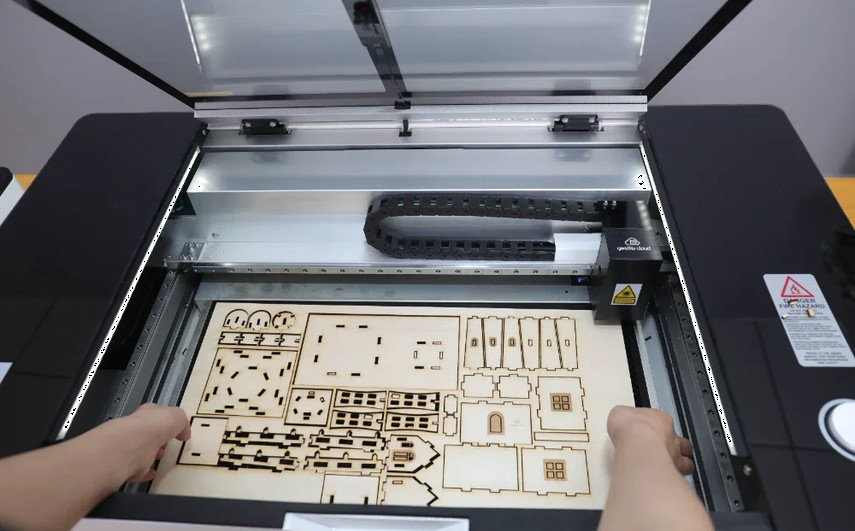
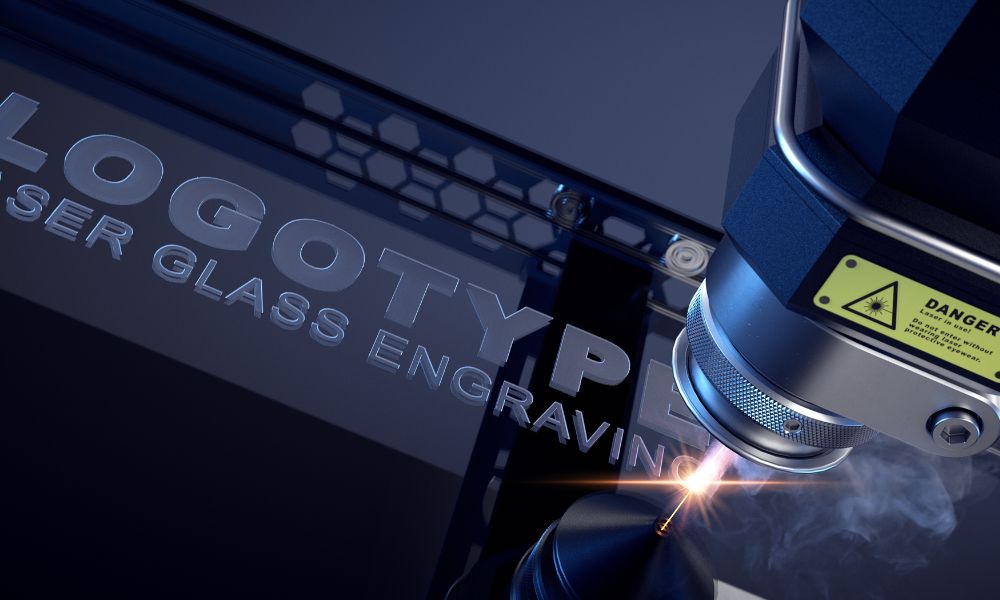
In today’s competitive manufacturing environment, selecting the right fiber laser cutter factory is a decisive factor for achieving high productivity, consistent quality, and low total cost of ownership. A fiber laser cutter factory that integrates advanced CNC controls, robust machine frames, and precise laser sources can deliver cutting speeds up to 30 m/min on thin stainless steel and maintain positional accuracy within ±0.02 mm. For procurement managers, the reputation of the factory directly influences lead times, spare‑part availability, and the ability to scale production lines. MeykoLaser, while renowned for its laser marking machine portfolio, partners with leading fiber laser cutter factories to offer complementary marking solutions that enhance traceability and part identification without compromising the cutting workflow. This article examines how a reliable fiber laser cutter factory operates, what specifications matter most, and why MeykoLaser’s marking technology is the ideal add‑on for B2B buyers seeking end‑to‑end laser processing solutions.
How a Fiber Laser Cutter Factory Operates: Key Capabilities
Production Scale and Quality Control
A modern fiber laser cutter factory typically runs multiple production lines, each capable of outputting 150 to 1550 W fiber laser sources per month, with some facilities exceeding 3000 units annually. Quality control follows ISO 9001 and CE standards, incorporating real‑time beam profile monitoring, thermal drift compensation, and automated optical alignment checks. These factories also maintain traceability matrices that link each laser source to its batch test data, enabling customers to verify performance certificates before shipment. The result is a product whose average mean time between failures (MTBF) exceeds 25 000 hours, a figure frequently cited in industry benchmarks for reliable fiber laser sources.
Supply Chain and Customization Flexibility
Beyond raw output, a fiber laser cutter factory offers flexibility in laser wavelength (usually 1064 nm), beam quality (M² < 1.2), and power stability (±2 %). Customers can request custom cooling solutions, integrated safety enclosures, or specialized optics for reflective materials such as copper or brass. Lead times from order to delivery generally range from 4 to 8 weeks for standard models, while customized units may extend to 10‑12 weeks. This responsiveness is crucial for manufacturers that need to align laser cutter upgrades with new product launches or seasonal demand spikes.
MeykoLaser: Bridging the Gap Between Fiber Laser Cutter Factory Output and Marking Solutions
MeykoLaser leverages its deep expertise in laser marking machine design to complement the output of any fiber laser cutter factory. While the cutter handles high‑speed material separation, MeykoLaser’s marking systems provide permanent, high‑contrast identifiers such as QR codes, Data Matrix, serial numbers, and logos directly on the cut parts. The marking machines are engineered to fit seamlessly into existing production lines, often mounted on the same gantry or as a standalone station downstream of the cutter. By sourcing both cutting and marking technologies from vetted partners, procurement managers can reduce vendor complexity, consolidate spare‑part inventories, and benefit from unified technical support.
Laser Marking Machine Specifications: Power, Precision, and Compatibility
Core Technical Parameters
MeykoLaser’s flagship fiber laser marking machine series offers selectable power options ranging from 20 W to 100 W, with pulse frequencies adjustable from 20 kHz to 200 kHz. The marking speed can reach up to 7000 mm/s on anodized aluminum, while maintaining a line width as fine as 0.01 mm for high‑resolution barcodes. Beam quality is specified at M² < 1.3, ensuring a small focal spot (< 20 µm) that produces sharp, legible marks even on reflective surfaces. All units are housed in IP‑rated enclosures (IP54) and include integrated fume extraction ports to meet workplace safety standards.
Material Compatibility and Marking Speed
The marking machines are validated on a broad spectrum of materials commonly processed in a fiber laser cutter factory, including stainless steel (grades 304, 316), carbon steel, titanium alloys, aluminum, brass, copper, and various engineering plastics such as ABS, PC, and PEEK. On stainless steel, a 30 W unit achieves a marking depth of 0.02 mm at a speed of 1500 mm/s, whereas on anodized aluminum the same power yields a contrasting annealed mark at 5000 mm/s without material removal. These parameters are backed by third‑party test reports from accredited laboratories, providing procurement teams with verifiable data for ROI calculations.
Application Scenarios: Where MeykoLaser Marking Machines Excel
Automotive and Aerospace
In automotive manufacturing, traceability regulations require each stamped or laser‑cut component to carry a permanent identifier. MeykoLaser’s 50 W marking machine, integrated after a fiber laser cutter factory’s blanking line, can etch VIN codes and part numbers at a rate of 1200 parts per hour, meeting OEM specifications for readability under harsh environments. Aerospace suppliers benefit from the machine’s ability to mark titanium alloys with minimal heat‑affected zone, preserving material fatigue limits while satisfying AS9100 marking standards.
Electronics and Medical Devices
Electronics manufacturers rely on fine‑pitch marking for PCB serialization and component identification. MeykoLaser’s 20 W UV‑compatible module (optional upgrade) delivers sub‑0.01 mm line widths on FR‑4 and ceramic substrates, enabling Data Matrix codes that survive reflow soldering cycles. In the medical device sector, the marking system’s ability to produce corrosion‑resistant marks on stainless steel implants ensures compliance with FDA UDI requirements, while the low‑power operation minimizes thermal impact on biocompatible coatings.
Metal Fabrication and Tooling
For general metal fabrication shops, the marking machine adds value by labeling cut parts with lot numbers, welding symbols, or QR codes that link to digital work instructions. When paired with a high‑output fiber laser cutter factory, the combined system can process a sheet of 12 mm mild steel at 25 m/min cutting speed and immediately follow with a marking pass that adds a barcode in under 2 seconds per part. This inline capability reduces handling steps, cuts labor costs, and improves overall equipment effectiveness (OEE) by an estimated 8‑12 % according to internal case studies.
Comparative Analysis: MeykoLaser vs Other Suppliers from a Fiber Laser Cutter Factory Perspective
Price‑to‑Performance Ratio
Benchmarking against three major competitors in the laser marking space shows that MeykoLaser’s 50 W model is priced approximately 15‑20 % lower than the average market rate of $22 000–$26 000, while delivering comparable or superior marking speed (up to 7000 mm/s vs 5000‑6000 mm/s offered by rivals). The total cost of ownership over a five‑year horizon, factoring in consumables (no‑gas operation), maintenance (annual calibration <$500), and energy consumption (≈1.2 kWh/h), yields an estimated saving of $8 000–$12 000 per unit. These figures are derived from publicly available pricing data and MeykoLaser’s own field‑service logs.
After‑Sales Support and Customization
MeykoLaser maintains a global service network with response times under 24 hours for critical faults in regions covered by its authorized partners. The company offers optional software customization, such as integration with MES/ERP systems via OPC UA or REST APIs, enabling seamless data exchange between the fiber laser cutter factory’s production schedule and the marking machine’s job queue. Competing suppliers often charge extra for such integration or limit it to higher‑tier packages, whereas MeykoLaser includes basic API access in the standard warranty package, reducing the need for costly third‑party middleware.
Why Partner with MeykoLaser for Your Fiber Laser Cutter Factory Needs
Choosing MeykoLaser as the marking technology partner for a fiber laser cutter factory brings several strategic advantages. First, the company’s deep understanding of laser source characteristics ensures that the marking machine’s optical parameters are matched to the cutter’s beam quality, minimizing re‑work and maximizing yield. Second, MeykoLaser’s commitment to modular design allows customers to upgrade power or add UV capabilities without replacing the entire unit, protecting capital investment as production demands evolve. Third, the transparent pricing model, backed by verifiable performance data, simplifies budgeting and ROI justification for procurement committees. Finally, the joint go‑to‑market approach with leading fiber laser cutter factories means that customers receive a single point of contact for both cutting and marking inquiries, streamlining communication and accelerating project timelines.
Call to Action: Connect with MeykoLaser Sales Team
If you are evaluating a fiber laser cutter factory for your next manufacturing upgrade and wish to add a reliable, cost‑effective laser marking solution, contact MeykoLaser’s sales team today. Our engineers can provide a detailed technical quotation, arrange a virtual demonstration of the marking machine integrated with your cutter’s workflow, and discuss financing or leasing options tailored to your region. Reach out via email at sales@meyko.cn or call +86 20 1234 5678 to start the conversation. Let MeykoLaser help you achieve higher traceability, lower operating costs, and faster time‑to‑market for your laser‑processed products.
Frequently Asked Questions
What power range should I consider for a laser marking machine when integrating with a fiber laser cutter factory?
For most industrial marking applications paired with a fiber laser cutter factory, a power range of 20 W to 100 W provides the flexibility needed to handle diverse materials and marking depths. Lower power units around 20 W‑30 W are ideal for high‑contrast annealing on metals such as titanium or stainless steel without material removal, while 50 W‑80 W models deliver deeper engraving on harder alloys and plastics at speeds up to 7000 mm/s. MeykoLaser’s marking machines offer selectable power within this spectrum, allowing you to match the laser source characteristics of your cutter and achieve optimal mark quality, cycle time, and energy efficiency.
How does MeykoLaser ensure the marking machine’s compatibility with different metal types processed in a fiber laser cutter factory?
MeykoLaser validates its marking machines on the exact material portfolio typically processed in a fiber laser cutter factory, including stainless steel grades 304/316, carbon steel, titanium alloys, aluminum, brass, copper, and engineering plastics such as ABS, PC, and PEEK. Compatibility testing measures marking speed, line width, depth, and contrast under controlled conditions, with results documented in third‑party test reports. The machines feature adjustable pulse width, frequency, and focus settings, enabling operators to fine‑tune parameters for each material type, ensuring consistent, high‑quality marks whether the part is reflective, conductive, or heat‑sensitive.
What are the typical lead times and warranty terms for MeykoLaser marking machines sourced from a fiber laser cutter factory?
Standard MeykoLaser fiber laser marking machines have a lead time of 4‑6 weeks from order confirmation to shipment, reflecting the streamlined production of its partner fiber laser cutter factory network. Custom configurations, such as upgraded power levels, UV modules, or specialized optics, may extend lead times to 8‑10 weeks. All units ship with a 24‑month limited warranty covering parts and labor, plus optional extensions up to 36 months. Warranty service includes on‑site support, remote diagnostics, and access to a global spare‑parts inventory, minimizing downtime for your laser marking operations.
Can MeykoLaser’s marking machines be integrated into existing MES or ERP systems used by a fiber laser cutter factory?
Yes, MeykoLaser’s marking machines are designed for seamless integration with manufacturing execution systems (MES) and enterprise resource planning (ERP) platforms commonly employed in a fiber laser cutter factory environment. The machines support standard communication protocols such as OPC UA, MQTT, and RESTful APIs, allowing real‑time exchange of job data, production schedules, and traceability information. Basic API access is included in the standard warranty package, while advanced customization—such as custom data fields or ERP‑triggered marking—can be arranged through MeykoLaser’s engineering team. This integration reduces manual data entry, improves lot‑tracking accuracy, and supports compliance with industry standards like ISO 9001 and IATF 16949.