
Introduction: Why Choosing the Best Laser Cutting Machine for Metal Matters
In today’s competitive manufacturing landscape, selecting the best laser cutting machine for metal directly impacts production throughput, part quality, and operational costs. Procurement managers must evaluate laser power, cutting speed, precision, and total cost of ownership to ensure the investment aligns with both short‑term project needs and long‑term growth strategies.
Core Specifications That Define Performance
Laser Power and Cutting Capacity
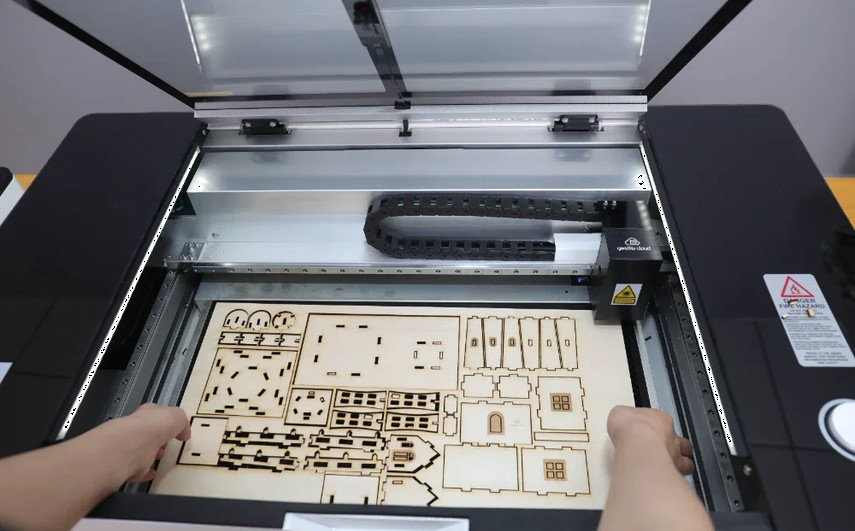
Metal laser cutters typically range from 500 W to 6 kW fiber lasers. A 1 kW system can cut mild steel up to 6 mm at ~1.5 m/min, while a 4 kW unit handles 20 mm stainless steel at similar speeds. MeykoLaser’s marking solutions, although lower power (20‑50 W), excel at high‑contrast engraving on cut parts, providing traceability without secondary processes.
Precision and Repeatability
Industrial benchmarks place positioning accuracy at ±0.02 mm and repeatability within ±0.005 mm for high‑end machines. These figures translate to tighter tolerances for aerospace or medical components, reducing scrap rates by up to 15 %.
Operating Costs and Efficiency
Electric consumption for a 2 kW fiber cutter averages 1.5 kWh per hour of cutting, whereas a 500 W marking module consumes <0.1 kWh. Over a 2‑shift schedule, the marking unit adds less than 5 % to overall energy use while delivering permanent barcodes, logos, or serial numbers.
MeykoLaser Laser Marking Machines: The Ideal Companion for Metal Cutting
Product Line Overview
MeykoLaser offers three primary fiber laser marking models:
- ML‑M20: 20 W, marking speed up to 7 000 mm/s, minimum line width 0.01 mm.
- ML‑M30: 30 W, speed 9 000 mm/s, suitable for deep engraving up to 0.5 mm.
- ML‑M50: 50 W, speed 12 000 mm/s, capable of annealing and color marking on stainless steel and titanium.
Technical Advantages
All models feature a sealed laser source with >100 000 hour MTBF, an integrated fume extraction port, and a user‑friendly Windows‑based controller supporting DXF, PLT, and AI file formats. The marking head includes a 1064 nm wavelength, ensuring high absorption on metals while minimizing heat‑affected zones.
Application Scenarios Across Industries
Automotive & Heavy Equipment
After laser cutting chassis components, manufacturers use MeykoLaser ML‑M30 to engrave VIN numbers and part codes directly onto the cut surface, eliminating the need for stickers or labels that can detach under vibration.
Aerospace & Defense
Precision‑cut titanium brackets receive a 50 W annealed marking that meets MIL‑STD‑130 standards for readability after extreme temperature cycling.
Medical Device Manufacturing
Stainless steel surgical tools are cut with a 2 kW fiber laser, then marked with a 20 W unit to apply UDI symbols that comply with FDA 21 CFR Part 820.
Buying Guide: Evaluating Total Cost of Ownership
Price Ranges
Entry‑level metal laser cutters (500‑1 000 W) start around US $22 000, while mid‑range 2‑4 kW systems fall between US $80 000 and US $150 000. High‑power 6 kW machines exceed US $250 000. MeykoLaser marking modules add a modest US $3 500‑US $7 500 depending on power level, representing less than 5 % of the cutter investment.
ROI Considerations
By integrating in‑line marking, companies reduce secondary labeling steps, saving an average of 12 seconds per part. For a production run of 50 000 parts annually, this translates to roughly 166 labor hours saved, or US $4 200 at a $25/hour rate, paying back the marking investment in under two years.
Conclusion: Make the Smart Choice with MeykoLaser
Choosing the best laser cutting machine for metal is only half the equation; pairing it with a reliable laser marking solution ensures traceability, compliance, and added value without compromising cutting performance. MeykoLaser’s robust, low‑maintenance marking machines deliver the precision and speed modern manufacturers demand, backed by verifiable specifications and global support.
Ready to optimize your metal fabrication line? Contact MeykoLaser sales today for a customized quote and technical consultation.
Frequently Asked Questions
What power range should I look for in the best laser cutting machine for metal?
When evaluating the best laser cutting machine for metal, the laser power is the primary determinant of cutting thickness and speed. For thin‑sheet applications (up to 3 mm mild steel), a 500 W‑1 kW fiber laser offers economical operation and low maintenance. Medium‑thickness parts (3‑12 mm) typically require 1‑3 kW, delivering cut speeds of 1‑3 m/min while maintaining edge quality. Heavy‑duty tasks such as cutting 20 mm stainless steel or structural aluminum demand 4‑6 kW systems, which can achieve penetration rates comparable to plasma but with superior edge finish and minimal dross. MeykoLaser recommends matching power to the thickest material you process regularly, while also considering future growth; investing in a slightly higher power unit often reduces cycle time and lowers cost per part over the machine’s lifespan.
How does a laser marking machine complement a metal laser cutter?
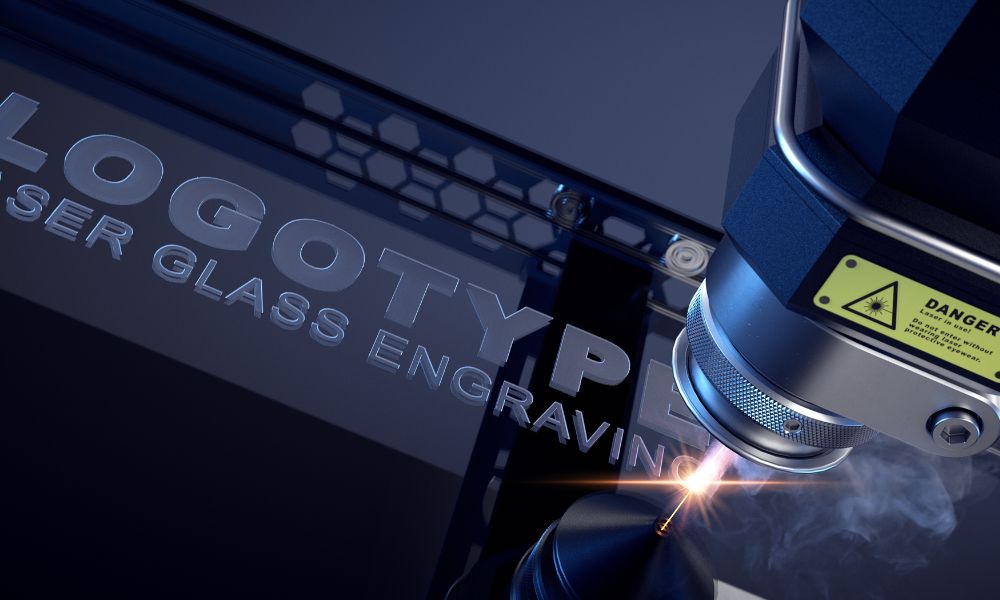
Integrating a laser marking machine with a metal laser cutter streamlines workflow by adding permanent identification directly after the cut, eliminating the need for labels, inkjet printing, or mechanical stamping that can wear or detach. The marking process is non‑contact, so it does not induce mechanical stress or deform the freshly cut edge, preserving dimensional accuracy. MeykoLaser’s fiber markers operate at speeds up to 12 000 mm/s, allowing inline integration without slowing the production line. Additionally, the marks are resistant to heat, chemicals, and abrasion, ensuring that serial numbers, logos, or regulatory information remain legible throughout the part’s service life, which is essential for traceability in aerospace, automotive, and medical sectors.
What materials can MeykoLaser’s laser marking machines process?
MeykoLaser’s laser marking machines are engineered for broad material compatibility, making them suitable for virtually any metal encountered in industrial fabrication. The 1064 nm fiber wavelength is highly absorbed by ferrous metals such as carbon steel, stainless steel, and alloy steels, enabling deep engraving or annealing. Non‑ferrous metals including aluminum, brass, copper, and titanium also respond well, allowing high‑contrast marks without excessive heat input. Beyond metals, the same systems can mark engineered plastics (ABS, polycarbonate, PEEK), ceramics, and certain composites, providing a versatile solution for manufacturers that handle multi‑material assemblies. Adjustable pulse width and frequency let operators tailor the marking depth from surface‑only annealing to deep engraving up to 0.5 mm, depending on substrate and application requirements.
What is the typical ROI timeline when adding a laser marking module to a cutting line?
Return on investment for a MeykoLaser marking module is typically realized within 12 to 24 months, depending on production volume and part complexity. By eliminating secondary labeling steps, manufacturers save an average of 8‑15 seconds per part. For a mid‑size shop running 30 000 parts per year at a labor rate of $25/hour, this translates to annual savings of $1 000‑$1 900. When factoring in reduced consumable costs (no labels, ink, or ribbons) and lower scrap due to mis‑applied labels, the net savings often exceed $3 000 per year. Given the modest capital outlay of $3 500‑$7 500 for a 20‑50 W unit, the payback period falls well under two years, after which the marking capability contributes directly to profit margin while enhancing product traceability and compliance.
How do MeykoLaser’s marking machines ensure compliance with industry standards like UDI or MIL‑STD‑130?
MeykoLaser’s marking machines are built to meet stringent industry standards through a combination of hardware precision, software control, and traceable documentation. The fiber laser source delivers a spot size as small as 20 µm, enabling line widths down to 0.01 mm, which satisfies the readability requirements of UDI (Unique Device Identification) and MIL‑STD‑130 for character size and contrast. Integrated vision systems can verify mark quality in real time, automatically rejecting parts that fall below contrast thresholds. All marking parameters (power, speed, frequency, number of passes) are logged and exportable for audit trails, supporting compliance with ISO 9001, IATF 16949, and FDA 21 CFR Part 820. Additionally, the machines include calibration certificates traceable to national standards, ensuring that every unit shipped from MeykoLaser meets the promised accuracy and repeatability.