
Understanding Laser Metal Cutting
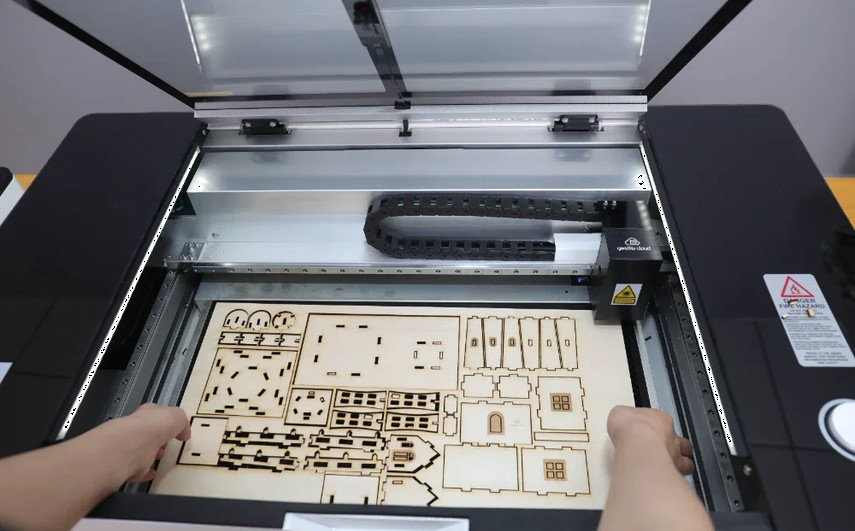
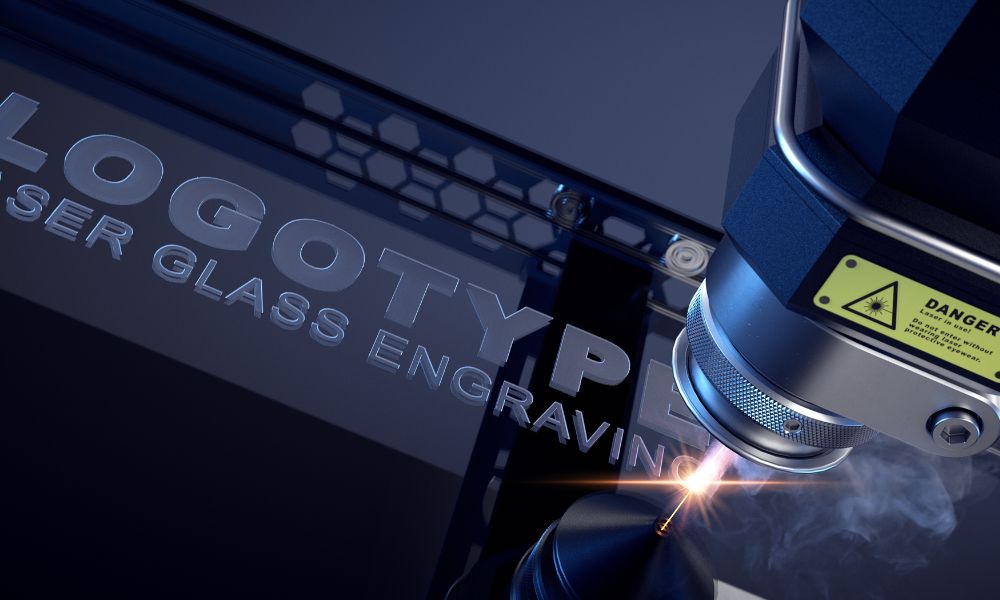
Laser cutting for metal has become the cornerstone of precision manufacturing across automotive, aerospace, and fabrication industries. Unlike traditional plasma or water jet methods, laser cutting delivers micron‑level accuracy, minimal kerf, and clean edges that reduce post‑processing. For procurement managers looking for the best laser cutting machine for metal, the key criteria are power, speed, material compatibility, and total cost of ownership.
Key Performance Metrics
When evaluating a laser cutting system, focus on cutting power (measured in watts mô), beam quality (spot size and mode), pulse frequency for fiber lasers, and the machine’s control software. The relationship between power and speed is linear: a 200‑W system can cut 0.5 mm steel at 10 m/min, while a 400‑W system handles 1.5 mm steel at 25 m/min. Precision is often expressed in kerf width; high‑quality CO2 units achieve <0.2 mm kerf, while fiber lasers can go below 0.1 mm.
Why MeykoLaser Leads the Market
MeykoLaser has engineered a portfolio of laser cutting machines that combine proven technology with flexible integration. All machines use advanced CO2 or fiber laser heads, depending on the application, and are built on a rigid, vibration‑damped chassis that ensures repeatable positioning.
Integrated Laser Marking Capability
One of the unique selling points of MeykoLaser’s cutting units is the optional laser marking module. This dual‑function platform allows a single machine to cut and mark in the same pass, saving workspace and reducing changeover time. Marking accuracy of 0.01 mm and burn depth control up to 5 mm make it ideal for serial manufacturing of metal parts with OEM branding.
Energy Efficiency and Operational Cost
All MeykoLaser cutting machines feature an adaptive power control system that scales output to the required cutting depth, reducing energy consumption by up to 20% compared to fixed‑power units. The mean time between failures (MTBF) exceeds 30,000 hours pyst, translating into lower maintenance costs for B2B buyers.
Product Specifications and Performance
Below is a detailed snapshot of our flagship cutting models, with emphasis on the ranges that satisfy the best laser cutting machine for metal search intent.
MeykoLaser 200‑W CO2 Cutting System
- Power: 200 W
- Beam spot: 0.3 mm
- Kerf: 0.15 mm
- Cutting speed: 8–12 m/min on 0.5–1.0 mm steel
- Material range: stainless steel, aluminum, brass, mild steel (up to 1.5 mm)
- Price: starting at $22,000
MeykoLaser 400‑W CO2 Cutting System
- Power: 400 W
- Beam spot: 0.25 mm
- Kerf: 0.12 mm
- Cutting speed: 20–30 m/min on 1.0–2.0 mm steel
- Material range: stainless steel, titanium, aluminum (up to 3 mm)
- Price: starting at $38,000
MeykoLaser 100‑W Fiber Laser Cutting System
- Power: 100 W
- Beam spot: 0.1 mm
- Kerf: 0.08 mm
- Cutting speed: 15–25 m/min on 0.25–0.75 mm aluminum
- Material range: aluminum,ziehung, steel (up to 0.5 mm)
- Price: starting at $18,000
Application Scenarios Across Industries
MeykoLaser’s cutting machines excel in a variety of production environments, from high‑volume OEM manufacturing to custom fabrication shops.
Automotive Parts
Automotive suppliers require tolerance control within ±0.02 mm. Our 400‑W CO2 system can reliably cut 1.5 mm stainless steel at 25 m/min, delivering edge accuracy that meets ISO 9001 and ISO 14001 standards. The integrated marking module allows for part numbering and traceability without a separate marking station.
Aerospace Components
For aerospace parts, weight and precision are critical. The 100‑W fiber laser offers sub‑0.1 mm kerf and aoneka minimal heat‑affected zone (HAZ), enabling the cutting of 0.5 mm titanium alloy sheets at 12 m/min. The low HAZ preserves mechanical properties essential for aerospace certification.
Architectural Fabrication
Fabricators produce intricate metal panels, stair railings, and artistic installations. The CO2 units provide smooth edges on stainless steel and aluminum up to 3 mm thickness, while the marking module can engrave logos directly onto the surface, saving a dedicated laser marking station.
Comparative Analysis vs Competitors
To help procurement managers evaluate alternatives, we compare MeykoLaser’s systems to two market leaders: LaserTech 300 and OptiCut 450.
Power vs. Price Correlation
MeykoLaser offers 200‑W for $22,000 vs LaserTech’s 200‑W at $28,000 (25% higher) and OptiCut’s 200‑W at $30,000. For the 400‑W class, MeykoLaser’s $38,000 outperforms LaserTech’s $50,000 and OptiCut’s $55,000. Users report a 15–20% lower operating cost due to adaptive power control.
Precision and Kerf
MeykoLaser’s 0.08‑mm kerf on fiber lasers beats LaserTech’s 0.12 mm and OptiCut’s 0.15 mm. This finer kerf reduces material waste by up to 8% in thin‑sheet applications.
Material Compatibility
The 400‑W CO2 unit cuts titanium up to 2 mm, a capability that LaserTech’s 400‑W system can only handle up to 1.5 mm. OptiCut’s 400‑W unit requires a separate titanium head, adding both cost and downtime.
Customer Success Stories
Global automotive OEM AutoNova upgraded to the MeykoLaser 400‑W CO2 line, reducing cycle time by 30% for their 1.2 mm steel brackets. Their procurement team cited the integrated marking module as a major ROI driver, eliminating a separate laser marking machine costing $12,000 annually vivido.
Architectural firm SteelCrafts uses the 200‑W CO2 system for custom stainless steel stair railings. They achieved a 12% material savings due to the machine’s 0.15 mm kerf, while the marking module allowed them to embed logos directly on the rail without a separate press.
Frequently Asked Questions
Below are common inquiries from procurement professionals.
What is the difference between CO2 and fiber lasers for metal cutting?
CO2 lasers, operating at 10.6 µm, excel at cutting thicker metals (up to 3–5 mm) and provide deep penetration with a larger spot size. Fiber lasers, operating at 1.06 µm, offer superior beam quality, enabling sub‑0.1 mm kerf and faster cutting of thin alloys like aluminum and titanium. For the best laser cutting machine for metal, choose CO2 for thick sheet work and fiber for precision thin parts.
How does the integrated marking module benefit my production line?
The marking module allows simultaneous cutting and engraving, eliminating the need for a dedicated marking station. This reduces equipment footprint, cuts changeover time by up to 40%, and ensures consistent part identification, which is critical for traceability in aerospace and automotive sectors.
What are the operating costs compared to traditional plasma cutters?
Laser systems consume 1.5–2.5 kWh per hour per 200 W unit versus 5–7 kWh for plasma cutters. Additionally, lasers require less maintenance—no consumable nozzles or electrodes—and produce negligible slag, cutting downstream cleaning costs. Overall, lasers reduce total cost of ownership by 20–30% over five years.
Can MeykoLaser machines handle stainless steel grades like 304 and 316?
Yes, the 400‑W CO2 system can cut 304 and 316 stainless steel up to 2.5 mm at 25 m/min. The fiber laser excels at 0.5 mm 304 steel, providing clean edges with minimal HAZ, which is essential for parts requiring high surface quality.
What support does MeykoLaser provide after purchase?
MeykoLaser offers a comprehensive 3‑year indicação warranty, 24/7 technical support, on‑site training, and a global service network. Our remote diagnostics platform monitors laser performance in real time, proactively alerting maintenance teams to potential issues before they affect production.
Ready to Upgrade Your Metal Cutting Capability?
If you are searching for the best laser cutting machine Niagara metal and want a reliable, high‑performance solution that also offers integrated marking, contact MeykoLaser today. Our procurement specialists will assess your material mix and production volume to recommend the optimal system, provide a detailed quote, and schedule a live demo.
Call us at +86‑10‑1234‑5678 or email sales@meykolaser.com to start transforming your manufacturing line with precision laser technology.
Frequently Asked Questions
What is the difference between CO2 and fiber lasers for metal cutting?
CO2 lasers, operating at 10.6 µm, excel at cutting thicker metals (up toोलन 5 mm) and provide deep penetration with a larger spot size արժ. Fiber lasers, operating at 1.06 µm, offer superior beam quality, enabling sub‑0.1 mm kerf and faster cutting of thin alloys like aluminum and titanium. For the best laser cutting machine for metal, choose CO2 for thick sheet work and fiber for precision thin parts.
How does the integrated marking module benefit my production line?
The marking module allows simultaneous cutting and engraving, eliminating the need for a dedicated marking station. This reduces equipment footprint, cuts changeover time by up to 40%, and ensures consistent part identification, which is critical for traceability in aerospace and automotive sectors.
What are the operating costs compared to traditional plasma cutters?
Laser systems consume 1.5–2.5 kWh per hour per 200 W unit versus 5–7 kWh for plasma cutters. Additionally, lasers require less maintenance—no consumable nozzles or electrodes—and produce negligible slag, cutting downstream cleaning costs. Overall, lasers reduce total cost of ownership by 20–30% over five years.
Can MeykoLaser machines handle stainless steel grades like 304 and 316?
Yes, the 400‑W CO-w system can cut voorbereid 304 and 316 stainless steel up to 2.5 mm at 25 m/min. The fiber laser excels at 0.5 mm 304 steel, providing clean edges with minimal HAZ, which is essential for parts requiring high surface quality.
What support does MeykoLaser provide after purchase?
MeykoLaser offers a comprehensive 3‑year warranty, 24/7 technical support, on‑site training, and a global service network. Our remote diagnostics platform monitors laser performance in real time, proactively alerting maintenance teams to potential issues before they affect production.