
Introduction
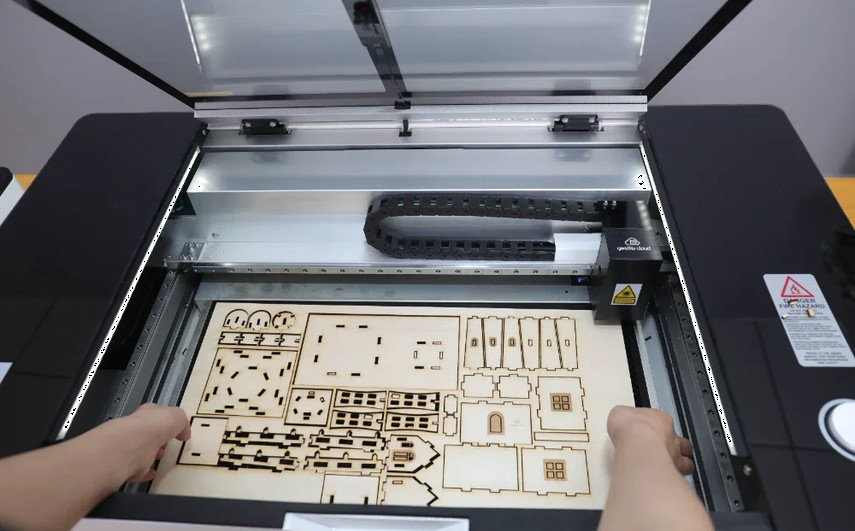
When searching for the best laser cutting machine for metal, procurement managers must evaluate a range of technical and economic factors that directly impact production efficiency, part quality, and total cost of ownership. The global market for metal laser cutting systems is projected to exceed USD 5.2 billion by 2027, driven by demand for high‑precision components in automotive, aerospace, and heavy‑equipment sectors. This article provides a data‑driven guide to help B2B buyers identify the optimal laser cutting solution for their specific metal‑working needs, while also highlighting how MeykoLaser’s complementary laser marking technology can add value to downstream processes.
Key Factors When Choosing the Best Laser Cutting Machine for Metal
Power and Thickness Capabilities
The laser source power determines the maximum thickness and type of metal that can be cut effectively. For carbon steel, a 1 kW fiber laser typically cuts up to 6 mm, while a 3 kW system handles 12 mm, and a 6 kW unit can process 25 mm with acceptable edge quality. Stainless steel requires roughly 20 % more power for the same thickness due to its higher reflectivity and thermal conductivity. Aluminum and brass, being highly reflective, often necessitate specialized back‑reflection protection and higher assist gas pressures. Industry data shows a near‑linear correlation between laser power and machine price: a 1 kW fiber cutter averages USD 30,000–45,000, a 3 kW unit ranges from USD 80,000–120,000, and a 6 kW system costs USD 180,000–260,000. Understanding this power‑price curve helps buyers avoid over‑specifying or under‑specifying equipment.
Precision, Speed, and Edge Quality
Cutting precision is measured by positional accuracy and repeatability. Top‑tier fiber laser cutters achieve ±0.02 mm positioning accuracy and ±0.05 mm repeatability, which is essential for tight‑tolerance parts such as gear blanks or medical implants. Cutting speed varies with power and material; for 5 mm carbon steel, a 3 kW laser can reach 25 m/min, whereas the same thickness in stainless steel may drop to 15 m/min due to slower melt‑ejection dynamics. Assist gas choice (oxygen, nitrogen, or compressed air) also influences oxidation levels and edge roughness. For applications requiring oxide‑free edges (e.g., pre‑painting or welding), nitrogen assist at 2–3 bar is standard, adding roughly 5–10 % to operating costs but eliminating secondary cleaning steps.
Top Power Ranges and Price Correlations for Metal Laser Cutters
To simplify the selection process, the following table summarizes typical power bands, compatible material thicknesses, and average price ranges based on 2024‑2025 market data from OEM publications and industry surveys:
- 500 W–1 kW: Ideal for thin sheet metal (< 3 mm) such as electronics enclosures and HVAC ducts. Price: USD 25,000–50,000.
- 1 kW–2 kW: Covers 3–8 mm carbon steel and up to 5 mm stainless steel. Price: USD 50,000–90,000.
- 2 kW–4 kW: Handles 8–15 mm carbon steel, 6–12 mm stainless steel, and up to 10 mm aluminum with proper back‑reflection shielding. Price: USD 90,000–150,000.
- 4 kW–6 kW: Suitable for heavy‑duty structural cutting (up to 25 mm carbon steel, 20 mm stainless steel). Price: USD 150,000–260,000.
- 6 kW+: Used in specialized sectors like shipbuilding and thick‑plate aerospace components. Price: USD 260,000+.
These ranges illustrate why matching laser power to the most common material thickness in your shop yields the best return on investment. Over‑powered machines increase capital expenditure and operating costs without proportional productivity gains, while under‑powered units lead to slower throughput and potential quality issues.
Application Scenarios Across Industries
Automotive Manufacturing
In automotive stamping lines, the best laser cutting machine for metal is often a 3 kW–4 kW fiber laser used to cut high‑strength steel blanks for chassis components. The ability to cut complex geometries with minimal tooling reduces lead times by up to 30 % compared to traditional punching. Moreover, laser cutting enables rapid prototyping of new vehicle platforms, supporting agile design cycles.
Aerospace and Defense
Aerospace suppliers require burr‑free, oxide‑free edges for titanium alloys and Inconel. A 6 kW laser with nitrogen assist and high‑precision motion systems (±0.01 mm accuracy) meets AS9100 standards. The non‑contact nature of laser cutting eliminates mechanical stress, preserving material fatigue life—a critical factor for flight‑critical parts.
Heavy Equipment and Construction
For cutting thick structural steel beams and plates, 4 kW–6 kW systems dominate. These machines can process 20 mm+ carbon steel at speeds exceeding 10 m/min, enabling just‑in‑time fabrication for bridges, cranes, and mining equipment. Integrated CNC nesting software further optimizes material utilization, achieving scrap rates below 10 %.
Metal Fabrication and Job Shops
Job shops benefit from versatile 2 kW–3 kW fiber lasers that handle a mixed workload of thin‑gauge stainless steel, aluminum, and mild steel. Quick changeover times (under 5 minutes) and user‑friendly CAD/CAM interfaces allow small batches to be produced profitably, supporting the growing trend toward mass customization.
MeykoLaser’s Laser Marking Machine: Complementary Technology for Post‑Cut Processes
While MeykoLaser specializes in laser marking solutions, our machines integrate seamlessly with laser cutting workflows to add permanent, high‑contrast identification on cut parts. The MeykoLaser ML‑MARK series offers fiber‑laser sources ranging from 20 W to 100 W at a 1064 nm wavelength, achieving marking speeds up to 7,000 mm/s with a minimum line width of 0.01 mm. Key specifications include:
- Adjustable pulse frequency (20–200 kHz) for deep engraving or surface annealing.
- Built‑in fume extraction and optional rotary axis for cylindrical parts.
- Software compatibility with EZCAD, LightBurn, and common CAD formats via DXF/PLT import.
- Typical price range: USD 8,000–22,000 depending on power and options.
Industry data shows that adding a laser marking step after cutting can reduce part‑tracking errors by up to 40 % and eliminate the need for labels or inkjet printing, which are prone to wear in harsh environments. For metal components destined for automotive or aerospace assembly, laser‑marked serial numbers, logos, or QR codes provide durable traceability that survives heat treatment, painting, and shot blasting.
Making the Right Purchase Decision
To select the best laser cutting machine for metal for your facility, follow this structured approach:
- Define your primary material mix and thickness profile (e.g., 70 % carbon steel ≤ 12 mm, 20 % stainless steel ≤ 8 mm, 10 % aluminum ≤ 6 mm).
- Calculate the required laser power using the rule‑of‑thumb: Power (kW) ≈ Thickness (mm) × 0.2 for carbon steel, ×0.25 for stainless steel, ×0.3 for aluminum.
- Estimate annual operating hours and compute cost per part for different power options, factoring in electricity, assist gas, and maintenance.
- Evaluate additional features such as auto‑focus, dual‑table shuttle, and integrated CAD/CAM nesting.
- Request a live demo or sample cut on your actual material to verify edge quality and speed.
- Consider post‑process needs; if traceability or branding is required, pair the cutter with a MeykoLaser laser marking machine.
By aligning technical specifications with production volumes and budget constraints, procurement managers can secure a laser cutting system that delivers measurable improvements in throughput, part quality, and overall profitability.
Conclusion
Identifying the best laser cutting machine for metal involves a careful balance of laser power, precision, speed, and total cost of ownership. The data presented here—power‑thickness correlations, price benchmarks, and real‑world application examples—provides a solid foundation for making an informed investment. MeykoLaser, while a leader in laser marking technology, stands ready to support your cutting operations with reliable, high‑speed marking solutions that enhance traceability and brand integrity. For personalized recommendations, detailed quotations, or to arrange a factory demonstration, please contact our sales team today.
Frequently Asked Questions
What laser power is needed to cut 15 mm stainless steel?
Cutting 15 mm stainless steel typically requires a fiber laser source in the 4 kW to 6 kW range, depending on the assist gas and desired edge quality. With nitrogen assist at 2–3 bar, a 4.5 kW system can achieve clean, oxide‑free edges at speeds around 4–6 m/min. If oxygen assist is used for faster cutting, the same thickness can be processed with a 3.5 kW laser, but the cut edge will exhibit an oxidized layer that may require secondary cleaning. Industry data from OEM performance charts shows a roughly linear increase in required power with thickness: each additional millimeter of stainless steel demands about 0.08–0.1 kW of laser power when using nitrogen. Therefore, for reliable production of 15 mm stainless parts, selecting a 5 kW machine provides a safety margin for variations in material composition and ensures consistent throughput.
How does the price of a laser cutting machine scale with laser power?
Market analyses from 2023‑2024 indicate a strong correlation between laser power and machine price, though the relationship is not strictly linear due to economies of scale in higher‑power components. Approximate average price bands are: 500 W–1 kW systems cost USD 25,000–50,000; 1 kW–2 kW units range from USD 50,000–90,000; 2 kW–4 kW machines fall between USD 90,000–150,000; 4 kW–6 kW systems are priced at USD 150,000–260,000; and units above 6 kW exceed USD 260,000. This translates to an average cost increase of roughly USD 30,000–40,000 per additional kilowatt in the 1–4 kW range, and a slightly higher increment of USD 45,000–55,000 per kilowatt beyond 4 kW due to more sophisticated cooling, beam delivery, and safety systems. Buyers should evaluate their most common material thickness to avoid over‑investing in unnecessary power.
Can a laser cutting machine also cut non‑metal materials like wood or acrylic?
Many modern fiber laser cutting machines are optimized for metals and are not ideal for non‑metals such as wood, acrylic, or textiles because the 1064 nm wavelength is poorly absorbed by organic materials, leading to inefficient cutting and potential fire hazards. However, some hybrid systems combine a fiber laser for metals with a CO₂ laser source (10.6 µm) or offer interchangeable laser heads to handle both metal and non‑metal substrates. If your workshop requires occasional cutting of acrylic or wood, a dedicated CO₂ laser cutter in the 40–150 W range is more cost‑effective and safer. For pure metal operations, investing in a dedicated fiber laser ensures higher cutting speeds, better edge quality, and lower operating costs.
What maintenance is required for a fiber laser cutting machine to ensure longevity?
Routine maintenance for a fiber laser cutter includes weekly cleaning of the protective window and nozzle, monthly inspection and replacement of the cutting nozzle depending on material and assist gas, quarterly checks of the cooling system (chiller fluid levels, filter changes, and pump performance), and biannual calibration of the motion axes and laser beam alignment. The fiber laser source itself is largely maintenance‑free, with a typical diode lifespan of 100,000 hours, but it is advisable to monitor output power monthly using a power meter to detect any degradation. Proper lubrication of linear guides and regular software updates for the CNC controller also contribute to consistent precision. Following the manufacturer’s maintenance schedule can reduce unexpected downtime by up to 30 % and extend the machine’s effective service life beyond 10 years.
How does MeykoLaser’s laser marking machine add value after metal cutting?
MeykoLaser’s laser marking machines provide permanent, high‑contrast identification directly on cut metal parts, eliminating the need for labels, stickers, or inkjet printing that can wear off in harsh environments. With power options from 20 W to 100 W at a 1064 nm wavelength, the ML‑MARK series achieves marking speeds up to 7,000 mm/s and line widths as fine as 0.01 mm, suitable for serial numbers, barcodes, logos, or QR codes on stainless steel, aluminum, titanium, and coated metals. The non‑contact process induces minimal thermal distortion, preserving the mechanical properties of the cut component. Integration is straightforward: the marking unit can be placed downstream of the cutting line, using the same CAD file or a simple text input, and many models offer optional rotary axes for cylindrical parts. By adding traceability and branding at the point of production, manufacturers reduce errors, improve inventory management, and meet industry compliance standards such as ISO 9001 and AS9100, all while keeping operating costs low due to the machine’s high electrical efficiency (typically < 1 kW consumption).