
Why the 'Best Laser Cutting Machine for Metal' Might Not Be What You Think
In today’s competitive manufacturing landscape, procurement managers and production planners face mounting pressure to improve traceability, quality control, and regulatory compliance—especially for metal components used in aerospace, automotive, medical devices, and industrial equipment. While many assume that laser cutting is the primary solution for metal processing, the real game-changer for long-term operational efficiency and part integrity is often the laser marking machine. At MeykoLaser, we specialize in high-precision, industrial-grade laser marking systems that deliver permanent, high-contrast marks on metals without compromising structural integrity.
Laser Marking vs. Laser Cutting: Understanding the Critical Difference
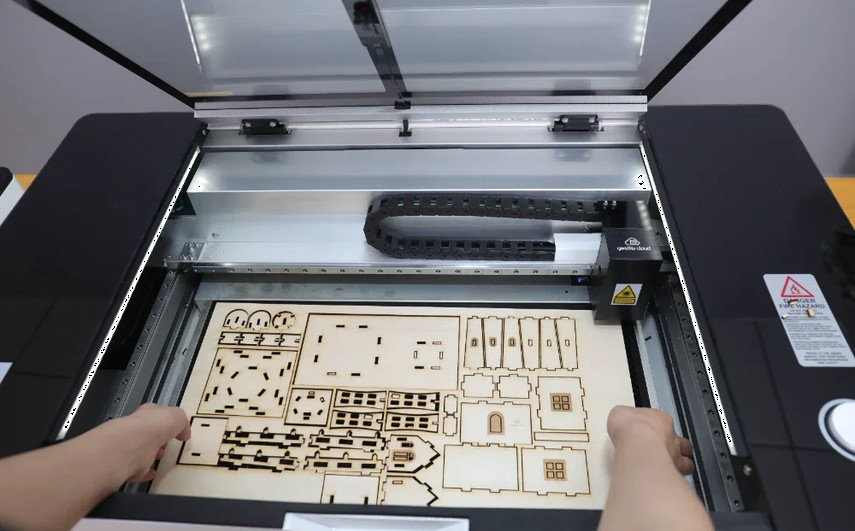
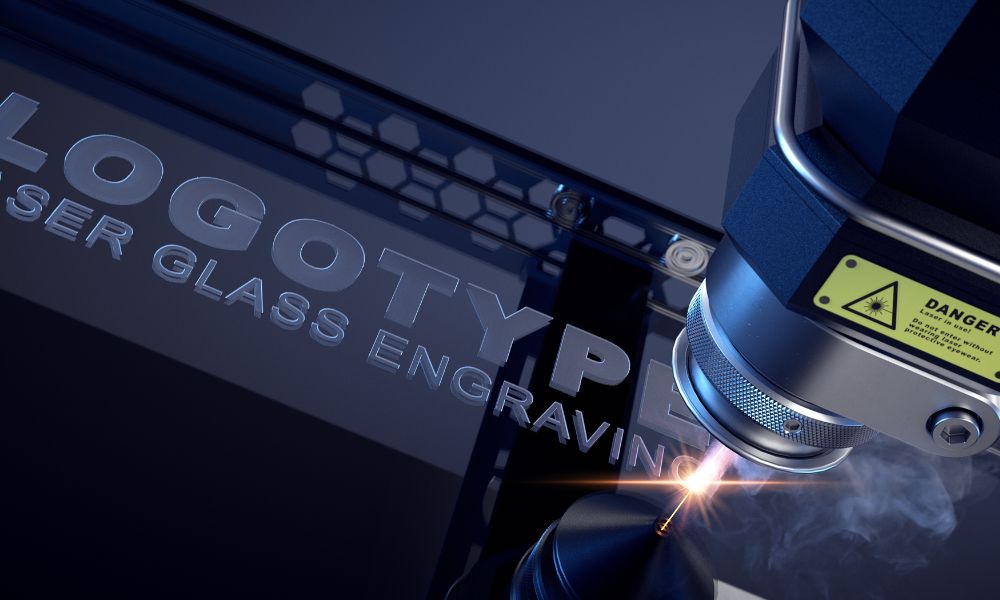
It’s essential to clarify a common misconception: laser cutting physically removes material to shape metal parts, while laser marking alters the surface to create durable, legible identifiers—serial numbers, barcodes, QR codes, logos, or regulatory labels. For most metal components, surface marking is not just sufficient; it’s preferable for traceability, anti-counterfeiting, and compliance with ISO 13485, AS9100, and FDA 21 CFR Part 820 standards.
Using a laser cutting machine for marking introduces unnecessary complexity, cost, and risk of part deformation. Meanwhile, dedicated laser marking machines provide faster throughput, lower maintenance, and zero material waste.
Key Advantages of Laser Marking Over Cutting for Metal Identification
- No thermal stress or warping: Low-heat laser marking preserves part geometry and mechanical properties
- Permanent traceability: Marks withstand harsh environments (heat, chemicals, abrasion)
- High-speed throughput: Up to 10,000 marks/second on stainless steel with MeykoLaser’s fiber systems
- Zero consumables: Unlike inkjet or engraving, laser marking requires no inks, labels, or tool replacement
MeykoLaser’s Best-in-Class Laser Marking Solutions for Metal
MeykoLaser designs industrial laser marking machines optimized for metal applications across global manufacturing sectors. Our systems combine robust engineering with intelligent software to ensure consistent, high-contrast results—even on challenging alloys like titanium, aluminum, and hardened steel.
Top Recommended Model: MeykoLaser M100 Fiber Laser Marker
The M100 is our most deployed industrial fiber laser marking platform for metal parts. Designed for 24/7 operation in production environments, it delivers:
- Laser Type: 100W air-cooled fiber laser source
- Marking Area: 110 × 110 mm (standard), configurable up to 300 × 300 mm
- Marking Speed: Up to 7,000 mm/s
- Repeatability: ±0.002 mm
- Compatible Metals: Stainless steel, aluminum, titanium, copper, brass, hardened tool steel
- Software: Compatible with CorelDRAW, AutoCAD, and MeykoMark Pro (built-in database integration for traceability)
The M100 features an integrated vision system for automated part positioning and verification—critical for medical device and aerospace suppliers requiring full lot traceability. Its sealed optical path ensures reliability in dusty workshop environments, while the modular design simplifies integration into existing assembly lines.
Real-World ROI: How MeykoLaser Systems Deliver Business Value
Procurement managers need hard numbers, not hype. Here’s what customers report:
- 40% reduction in part rework due to clear, tamper-proof identification preventing misassembly
- 85% lower cost per mark vs. mechanical engraving (no tool wear, no labor-intensive setup)
- Zero rejects from ink smudging or label peeling in high-humidity or high-temp applications
- Faster audit preparation with digital mark verification and database logging
One leading orthopedic implant manufacturer switched from chemical etching to the MeykoLaser M100 and achieved ISO 13485 compliance within 90 days—reducing mark cycle time from 8 seconds to 1.2 seconds per part.
Customization for Complex Metal Applications
Every metal marking challenge is unique. MeykoLaser offers tailored configurations including:
- 3D marking head for curved or contoured surfaces (e.g., surgical instruments, turbine blades)
- Conveyor integration for inline high-volume production
- Fume extraction & safety interlocks compliant with ANSI Z136.1 and IEC 60825
- Multi-language & regulatory templates for global supply chain requirements (FDA UDI, EU MDR, RoHS)
Why MeykoLaser Stands Out for International Buyers
As a globally trusted industrial laser solutions provider, MeykoLaser delivers:
- Global certifications: CE, RoHS, FDA 21 CFR Part 11 (for audit trails), ISO 9001:2015
- 24/7 multilingual support with engineers in Europe, North America, and Asia
- Fast lead times: 2–3 weeks for standard systems; 4–6 weeks for custom integrations
- Comprehensive training and on-site commissioning services
- 5-year warranty on laser source and motion systems
Our commitment to R&D has earned us partnerships with Tier-1 automotive suppliers, Fortune 500 medtech companies, and national defense contractors across 60+ countries.
Conclusion: Choose the Right Tool for the Job
While laser cutting machines are indispensable for part fabrication, the best laser cutting machine for metal doesn’t solve the core need for reliable, compliant, and cost-effective part identification. That’s where a purpose-built laser marking machine from MeykoLaser delivers unmatched value—enhancing quality, safety, and profitability across your metal components supply chain.
Don’t compromise on traceability. Partner with the laser marking specialists trusted by global manufacturers.
Frequently Asked Questions (FAQ)
Is laser marking a more appropriate solution than laser cutting for creating permanent traceability on metal components used in compliance-driven industries?
For metal components in compliance-driven applications, laser marking alters the surface to create durable, legible identifiers such as serial numbers, barcodes, or logos. This method avoids material removal and thermal stress, preserving part geometry, while meeting standards like ISO 13485, AS9100, and FDA 21 CFR Part 820. MeykoLaser provides industrial marking systems that ensure permanent, high-contrast results without compromising part integrity.
How does MeykoLaser fiber laser marking differ from traditional laser cutting for metal identification and traceability?
Laser cutting physically removes material to shape metal, while MeykoLaser fiber laser marking applies light to the surface, creating durable and legible identifiers such as serial numbers, barcodes, and logos. Marking preserves part geometry and avoids deformation, is faster, and requires no consumables. This makes marking more suitable for traceability, anti-counterfeiting, and compliance standards including ISO 13485 and AS9100.
What operational advantages does MeykoLaser offer when marking metal parts instead of using a laser cutting machine?
Switching to MeykoLaser industrial laser marking for metal identification reduces thermal stress and warping, which preserves part geometry and mechanical properties. Marks remain permanent under harsh environmental conditions, high-speed systems can process up to 10,000 marks per second, and there are no inks, labels, or consumables to replace. This lowers maintenance, improves throughput, and reduces material waste.
Which MeykoLaser model is recommended for high-volume industrial marking of metal parts?
For high-volume marking of metal parts, MeykoLaser recommends the M100 Fiber Laser Marker. This industrial fiber laser marking platform is widely deployed for demanding metal applications and supports continuous 24/7 operation. It delivers consistent, high-contrast marks on a range of alloys, including titanium, aluminum, and hardened steel, through robust engineering and intelligent software.
Can MeykoLaser marking systems handle challenging metal alloys such as titanium, aluminum, and hardened steel?
Yes. MeykoLaser designs industrial laser marking machines optimized for metal applications, with robust engineering and intelligent software that ensure consistent, high-contrast marking results. The systems support challenging alloys including titanium, aluminum, and hardened steel while preserving part geometry and avoiding thermal stress, making them suitable for demanding manufacturing environments.