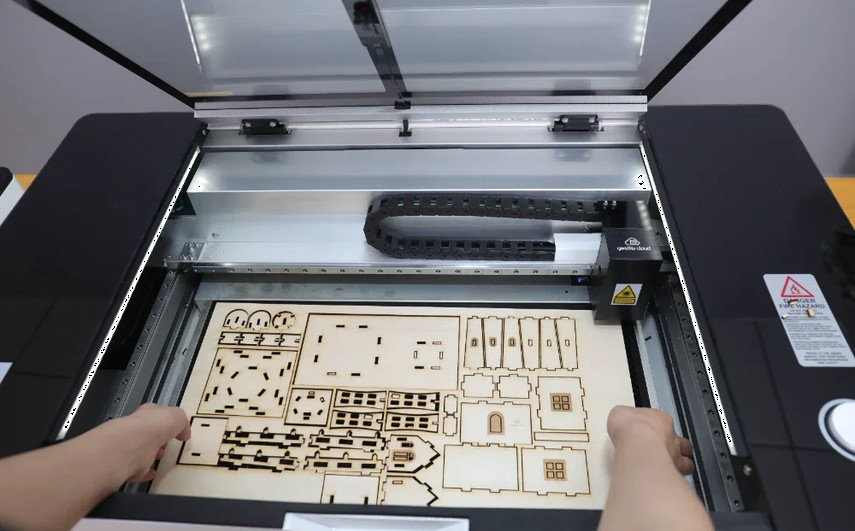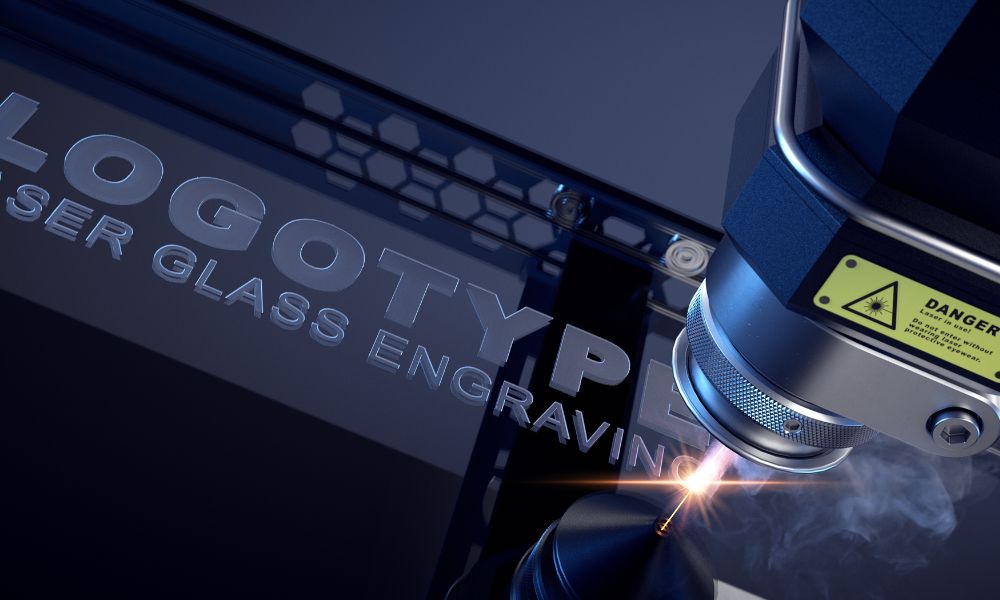

The global metal fabrication market is projected to reach $27.6 billion by 2028 (Grand View Research), and selecting the best laser cutting machine for metal directly impacts production throughput, scrap rates, and long-term profitability for manufacturing firms. For B2B procurement managers, the decision requires balancing precision, power, total cost of ownership (TCO), and after-sales support — not just upfront price. This guide breaks down top options, key metrics, and how to choose a system aligned with your production needs.
What Defines the Best Laser Cutting Machine for Metal?
The “best” system depends on your application, material types, and volume, but industry-leading models share core characteristics verified by the Fabricators & Manufacturers Association (FMA) as critical for industrial use.
Core Performance Metrics to Prioritize
Focus on these non-negotiable metrics when evaluating options:
- Cutting Precision: ±0.02mm or better for high-tolerance parts (aerospace, medical devices). The FMA reports 72% of procurement managers rank precision as their top criterion.
- Cutting Speed: Measured in m/min, directly tied to throughput. Industrial models deliver 10–25 m/min for 2mm stainless steel, depending on laser type.
- Power Output: 1000W+ for industrial metal cutting, with higher power enabling thicker material processing.
- Repeatability: ±0.01mm or better for consistent mass production results.
Material Compatibility & Use Cases
Top metal laser cutters handle common industrial materials with minimal waste: carbon steel (up to 50mm), stainless steel (up to 30mm), aluminum (up to 25mm), and copper/brass (up to 15mm with anti-reflection tech). Key use cases include automotive components, aerospace parts, medical devices, construction hardware, and electronics enclosures. For regulated industries requiring traceability, integrating cutting with a laser marking machine for permanent compliance codes is a critical value add — a MeykoLaser specialty.
Top Laser Cutting Machine Types for Metal Fabrication
Two technologies dominate industrial metal cutting: fiber and CO2. Each has distinct advantages, and understanding their differences is key to a smart investment.
Fiber Laser Cutters: The Gold Standard for Thin to Medium Metal
Fiber lasers use doped optical fibers to generate a high-energy beam. According to 2024 Laser Institute of America (LIA) data, fiber lasers account for 72% of industrial metal cutting machine sales, up from 58% in 2020, due to falling costs and superior efficiency.
Key Specs: 1000W–15000W power range, ±0.01mm–±0.03mm precision, 15–25 m/min speed for 2mm stainless steel, $0.50–$1.20 hourly operating cost (30–50% lower than CO2, per FMA), and $25,000–$180,000 price range. Ideal for high-volume production of thin to medium metal, including reflective non-ferrous materials, with 100,000+ hour resonator lifespans.
CO2 Laser Cutters: Best for Thick Metal & Hybrid Shops
CO2 lasers use a gas mixture to generate their beam, making them a good fit for shops processing both metal and non-metal materials.
Key Specs: 150W–6000W power range, ±0.03mm–±0.08mm precision, 5–10 m/min speed for 2mm stainless steel, $1.50–$3.00 hourly operating cost (LIA data), and $12,000–$90,000 price range. They perform well on thick carbon steel (30mm+) and cut non-metals (acrylic, wood) but struggle with reflective metals like copper, which can damage the resonator.
How to Select the Right Machine for Your Needs
Choosing the best laser cutting machine for metal requires aligning capabilities with current and future production goals. Follow these data-backed steps.
Match Power Output to Material Thickness
Too little power slows production and reduces cut quality, while excess power inflates upfront costs. Use this industry-standard guide for fiber lasers:
- 1000W: 10mm carbon steel, 5mm stainless steel, 3mm aluminum
- 2000W: 16mm carbon steel, 8mm stainless steel, 5mm aluminum
- 3000W: 20mm carbon steel, 12mm stainless steel, 8mm aluminum
- 6000W: 30mm carbon steel, 20mm stainless steel, 15mm aluminum
Procurement experts recommend selecting 20–30% more power than your current maximum thickness need to accommodate future expansion.
Calculate Total Cost of Ownership (TCO)
Upfront price accounts for only 40–50% of a laser cutter’s 5-year TCO (McKinsey & Company industrial equipment analysis). Additional costs include annual maintenance (5–10% of upfront cost), energy consumption, replacement parts ($500–$2,000/year), and downtime ($1,000–$5,000/hour for high-volume lines). For example, a 3000W fiber laser with a $40,000 upfront cost has a 5-year TCO of $65,000–$75,000, vs. $85,000–$100,000 for a comparable CO2 model.
Prioritize Global After-Sales Support
A 2023 Industrial Machinery Digest survey found 64% of manufacturing firms lose 3+ production days yearly due to delayed laser machine service. Look for providers with 24/7 remote support, local service engineers, 48-hour spare parts delivery, and a minimum 1-year warranty for industrial models.
Why MeykoLaser Delivers Top Value for Industrial Laser Solutions
MeykoLaser is a globally recognized industrial laser manufacturer with 15+ years of experience, serving 8,000+ B2B clients across 60+ countries, including 120+ Fortune 500 firms. While best known for its industry-leading laser marking machine lineup — the gold standard for permanent, high-precision traceability on metal parts — MeykoLaser applies the same rigorous engineering to its full line of metal laser cutting machines.
Flagship MeykoLaser Cutting Models:
- MK-FIBER-3000: 3000W fiber cutter for small to mid-sized shops. ±0.01mm precision, 22 m/min speed for 2mm stainless steel, 3000x1500mm work area (customizable up to 6000x2000mm). CE, FDA, ISO 9001 certified. Price: $38,000–$46,000.
- MK-FIBER-6000: 6000W high-power fiber cutter for heavy-duty use. Cuts up to 30mm carbon steel, 20mm stainless steel, 15mm aluminum. ±0.02mm precision, automated loading options. Price: $62,000–$78,000.
MeykoLaser’s unique advantage is integrated cutting and marking solutions. Its MK-UV-5W and MK-FIBER-20W laser marking machines can be directly paired with MK-FIBER cutters to automatically mark serial numbers, QR codes, UDI codes, or brand markings immediately after cutting, eliminating secondary handling, reducing labor costs by 30%, and cutting per-part processing time by 1.5–2 seconds.
MeykoLaser also offers industry-leading support: 24/7 remote technical support, 30+ regional service centers across 40+ countries, 48-hour spare parts delivery for 90% of international clients, and a 2-year warranty — twice the industry average.
Ready to find your ideal solution? Request a free customized quote, schedule a live virtual demo, or speak with a MeykoLaser laser solutions expert by visiting http://www.meyko.cn or emailing sales@meyko.cn today. Our team will design a system tailored to maximize your production efficiency and ROI.
Frequently Asked Questions About Metal Laser Cutting Machines
What is the best laser cutting machine for small to mid-sized metal fabrication shops?
For shops with monthly volumes of 500–2,000 metal parts, a 2000W–3000W fiber laser cutter is the best choice, balancing upfront cost, capacity, and efficiency. The MeykoLaser MK-FIBER-3000 is a top option, offering ±0.01mm precision, 22 m/min cutting speed for thin stainless steel, and a compact 3000x1500mm work area that fits most shop floors. Unlike budget import machines, MeykoLaser includes 24/7 remote support, a 2-year warranty, and global spare parts access, reducing long-term TCO by an estimated 25% compared to generic alternatives.
How much does an industrial-grade metal laser cutting machine cost?
Industrial metal laser cutters range from $25,000 for a 1000W entry-level fiber model to $180,000+ for a 12000W high-power heavy-duty unit, per 2024 LIA data. CO2 industrial models range from $30,000 for a 2000W unit to $90,000 for a 6000W model. MeykoLaser’s fiber cutters are competitively priced, with 3000W models starting at $38,000 and 6000W models starting at $62,000, including safety features, training, and a 2-year warranty. Bundling a MeykoLaser laser marking machine with a cutting system reduces total upfront cost by 10–15% via package discounts.
Can a laser cutting machine also mark metal parts, or do I need a separate machine?
While some low-power cutters perform basic engraving, industrial cutting machines are optimized for through-cutting and lack the precision for traceability-grade marking. For compliance-grade marks (UDI codes for medical devices, VIN marks for automotive), a dedicated laser marking machine is required. MeykoLaser specializes in both cutting and marking solutions, offering integrated production lines that combine fiber laser cutters with UV or fiber marking machines, automating the entire process to reduce labor costs by 30% and eliminate handling errors.
What maintenance is required for a metal laser cutting machine, and how often?
Routine maintenance includes daily cleaning of the cutting head nozzle and dust extraction system, weekly lens/mirror inspection, monthly beam alignment calibration, and quarterly replacement of wear parts (nozzles, protective windows). High-power fiber lasers need resonator maintenance every 2–3 years, while CO2 lasers require gas refills and mirror replacement every 6–12 months (LIA guidelines). MeykoLaser machines include built-in maintenance reminder software, and our global team offers preventive maintenance plans to reduce unplanned downtime by up to 40%. Our fiber cutters also have a 100,000-hour resonator lifespan, 2x the industry average.
How do I choose between fiber and CO2 laser cutters for metal production?
The choice depends on your primary materials, thickness requirements, and production volume. For high-volume production of thin to medium (0.5mm–30mm) metal, including reflective non-ferrous metals like aluminum, a fiber laser cutter is best, offering higher speed, better precision, and lower operating costs. For shops cutting mostly thick (30mm+) carbon steel and non-metals like acrylic, a CO2 laser may be more cost-effective. MeykoLaser’s industrial experts can evaluate your specific needs and recommend the optimal solution, whether that’s a fiber cutter, CO2 cutter, or integrated system with a complementary laser marking machine for traceability.
Frequently Asked Questions
What is the best laser cutting machine for small to mid-sized metal fabrication shops?
For shops with monthly volumes of 500–2,000 metal parts, a 2000W–3000W fiber laser cutter is the best choice, balancing upfront cost, capacity, and efficiency. The MeykoLaser MK-FIBER-3000 is a top option, offering ±0.01mm precision, 22 m/min cutting speed for thin stainless steel, and a compact 3000x1500mm work area that fits most shop floors. Unlike budget import machines, MeykoLaser includes 24/7 remote support, a 2-year warranty, and global spare parts access, reducing long-term TCO by an estimated 25% compared to generic alternatives.
How much does an industrial-grade metal laser cutting machine cost?
Industrial metal laser cutters range from $25,000 for a 1000W entry-level fiber model to $180,000+ for a 12000W high-power heavy-duty unit, per 2024 Laser Institute of America data. CO2 industrial models range from $30,000 for a 2000W unit to $90,000 for a 6000W model. MeykoLaser’s fiber cutters are competitively priced, with 3000W models starting at $38,000 and 6000W models starting at $62,000, including safety features, training, and a 2-year warranty. Bundling a MeykoLaser laser marking machine with a cutting system reduces total upfront cost by 10–15% via package discounts.
Can a laser cutting machine also mark metal parts, or do I need a separate machine?
While some low-power cutters perform basic engraving, industrial cutting machines are optimized for high-speed through-cutting and lack the precision and control required for permanent, compliance-grade marking. For traceability marks like UDI codes for medical devices or VIN marks for automotive components, a dedicated laser marking machine is required. MeykoLaser specializes in both cutting and marking solutions, offering integrated production lines that combine fiber laser cutters with UV or fiber marking machines, automating the entire process to reduce labor costs by 30% and eliminate handling errors.
What maintenance is required for a metal laser cutting machine, and how often?
Routine maintenance for a metal laser cutting machine includes daily cleaning of the cutting head nozzle and dust extraction system, weekly inspection of lenses and mirrors, monthly calibration of laser beam alignment, and quarterly replacement of wear parts like nozzles and protective windows. High-power fiber lasers require resonator maintenance every 2–3 years, while CO2 lasers need gas refills and mirror replacement every 6–12 months (Laser Institute of America guidelines). MeykoLaser machines include built-in maintenance reminder software, and our global team offers preventive maintenance plans to reduce unplanned downtime by up to 40%. Our fiber cutters also have a 100,000-hour resonator lifespan, 2x the industry average.
How do I choose between fiber and CO2 laser cutters for metal production?
The choice between fiber and CO2 laser cutters depends on your primary material types, thickness requirements, and production volume. For high-volume production of thin to medium thickness (0.5mm–30mm) metal, including reflective non-ferrous metals like aluminum and copper, a fiber laser cutter is the best choice, offering higher speed, better precision, and lower operating costs. For shops that primarily cut thick (30mm+) carbon steel and also need to process non-metal materials like acrylic or wood, a CO2 laser may be more cost-effective. MeykoLaser’s industrial laser experts can evaluate your specific production needs and recommend the optimal solution, whether that’s a fiber cutter, CO2 cutter, or integrated system with a complementary laser marking machine for part traceability.