
What Is an Automated Laser Marking System?
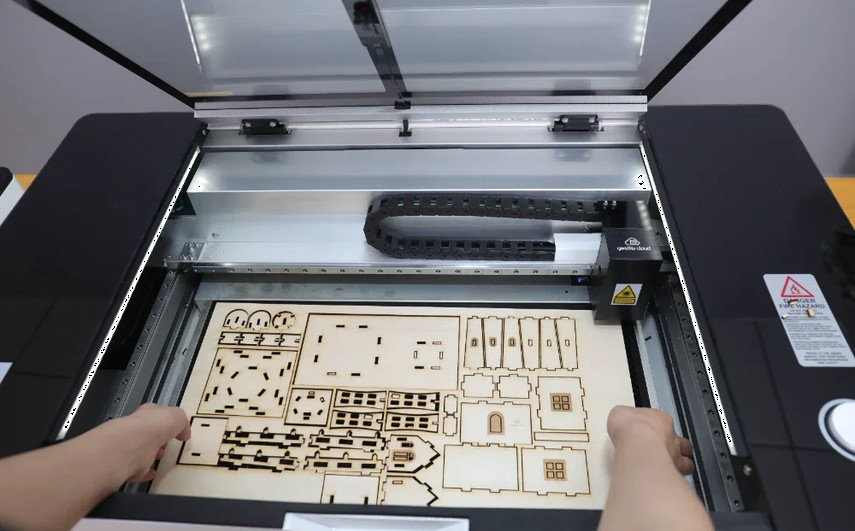
An automated laser marking system is an industrial-grade solution designed to permanently mark, engrave, or etch identification codes, logos, serial numbers, barcodes, and data matrix codes on a wide range of materials — including metals, plastics, ceramics, and composites — without physical contact. Unlike traditional ink-based or mechanical marking methods, laser marking delivers permanent, high-contrast marks that resist abrasion, heat, and chemical exposure, making it ideal for traceability and compliance in high-stakes industries such as automotive, aerospace, electronics, medical devices, and defense.
For procurement managers and factory decision-makers, sourcing from a reliable automated laser marking system factory is a critical step in ensuring production line efficiency, regulatory compliance, and long-term return on investment. A factory-direct partnership eliminates intermediary markups, provides access to engineering support, and ensures that equipment is configured to meet specific production requirements from day one.
How Automated Laser Marking Systems Work
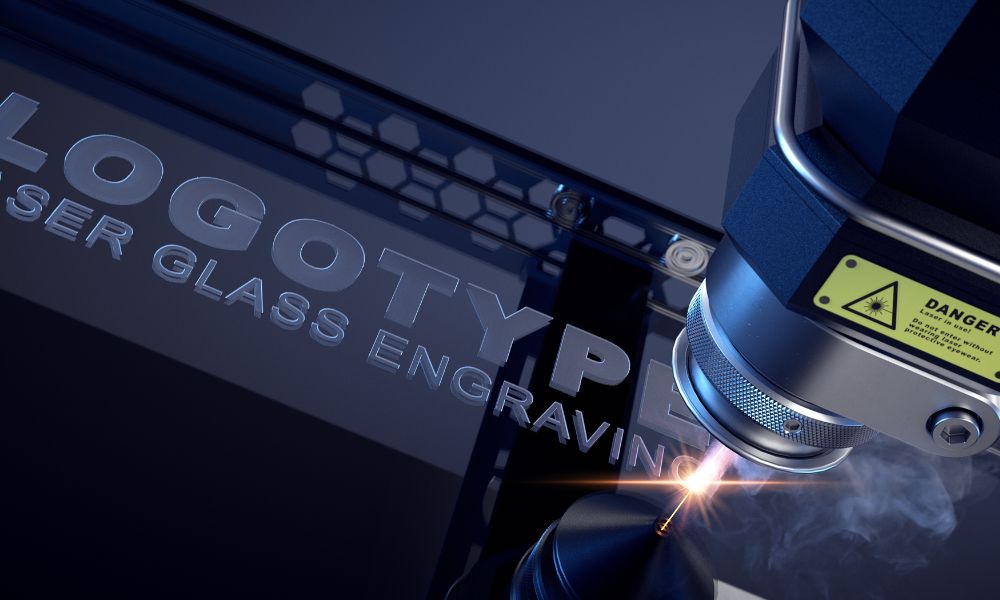
Automated laser marking systems integrate a laser source, precision galvanometer scanners, motion control software, and conveyor or robotic handling subsystems into a unified production cell. The laser beam is directed by high-speed galvanometer mirrors that steer the beam across the workpiece at speeds exceeding 7,000 mm/s, creating precise marks in milliseconds. The entire process is controlled by industrial software that can interface with factory MES (Manufacturing Execution Systems) and ERP platforms, enabling real-time data logging, serialization, and quality verification.
The core laser technologies used in automated marking include:
- Fiber lasers (1064 nm wavelength): Best for metals, coated metals, and many plastics. Power options range from 20W to 100W, with 30W and 50W being the most popular for industrial marking.
- UV lasers (355 nm wavelength): Ideal for heat-sensitive materials such as medical-grade polymers, thin plastics, and glass. UV marking produces minimal thermal damage, achieving a "cold marking" effect.
- CO2 lasers (10,600 nm wavelength): Suited for non-metallic materials including wood, rubber, acrylic, and certain coated metals.
- Green lasers (532 nm wavelength): Used for highly reflective materials such as gold, copper, and silicon wafers where fiber laser absorption is insufficient.
At MeykoLaser, as a leading automated laser marking system factory, we engineer each system around the client's material type, throughput requirements, and integration environment. Our standard automated cells support marking speeds of up to 1,200 parts per minute for simple 2D data matrix codes on flat metal surfaces, with vision-guided alignment systems achieving positioning accuracy of ±0.05 mm.
Key Specifications to Evaluate When Choosing a Factory Supplier
When comparing automated laser marking system factories, procurement managers should evaluate the following technical and commercial parameters to ensure the selected supplier meets both current and future production demands.
Laser Power and Marking Quality
Laser power directly influences marking speed and contrast. For most metal marking applications, a 20W fiber laser can produce high-contrast annealed marks at moderate speeds, while a 50W or 100W system is required for deep engraving or high-speed inline marking. As a general industry benchmark, a 30W fiber laser system from a reputable factory like MeykoLaser typically achieves marking speeds of 300–600 characters per second on stainless steel, with a marking depth range of 0.01–0.5 mm depending on material and parameter settings.
Automation and Integration Capabilities
A true automated laser marking system factory should offer more than just a standalone machine. Look for suppliers that provide:
- Conveyor-fed systems with automatic loading/unloading for continuous production
- Robotic integration (compatible with Fanuc, KUKA, ABB, and Universal Robots) for complex part handling
- Vision systems (CCD camera alignment, OCR verification, barcode reading) for quality assurance
- Software connectivity supporting OPC UA, TCP/IP, and SQL database integration for Industry 4.0 environments
MeykoLaser's automated systems are pre-engineered for integration with standard industrial automation protocols, reducing deployment time from weeks to days. Our factory engineers provide on-site commissioning and integration support globally.
Price Range and Total Cost of Ownership
The market price for an automated laser marking system varies significantly based on configuration:
- Entry-level automated systems (fiber laser, 20–30W, basic conveyor): $15,000–$30,000 USD
- Mid-range automated cells (30–50W fiber, vision system, rotary fixture): $30,000–$60,000 USD
- High-end integrated lines (50–100W, multi-axis robotics, full vision inspection): $60,000–$150,000+ USD
When evaluating total cost of ownership, consider that fiber laser systems have no consumables, require minimal maintenance (laser source lifespan exceeds 100,000 hours), and consume only 0.5–1.5 kW of electrical power. Compared to inkjet systems that require ongoing ink, solvent, and printhead replacement costs (typically $5,000–$15,000 per year), laser marking systems from a factory like MeykoLaser deliver a payback period of 12–18 months in most high-volume applications.
Top Applications Across Manufacturing Industries
The demand for automated laser marking is driven by regulatory traceability requirements and the need for permanent, tamper-proof identification. Below are the primary application sectors:
Automotive Component Marking
Automotive Tier 1 and Tier 2 suppliers are required to apply permanent identification (typically 2D data matrix codes per AIAG or Odette standards) to engine components, transmission parts, brake systems, and safety-critical fasteners. Automated laser marking systems in this sector must handle high part volumes (often 500,000+ parts per day across a production line), support multiple part variants via recipe management, and deliver marks that survive post-processing treatments such as heat treatment, coating, and shot peening. MeykoLaser has supplied automated marking cells to automotive suppliers across Europe, Southeast Asia, and North America, with systems rated for 24/7 operation at uptime levels exceeding 98%.
Electronics and Semiconductor Identification
PCB marking, IC package engraving, and connector identification require UV or green laser sources to avoid thermal damage to sensitive components. Feature sizes as small as 0.3 mm × 0.3 mm are standard in this sector, demanding galvanometer positioning accuracy of ±0.01 mm and high-resolution vision alignment. MeykoLaser's UV automated systems support inline PCB marking at speeds exceeding 800 boards per hour with 100% code verification.
Medical Device UDI Compliance
The FDA's Unique Device Identification (UDI) regulation mandates permanent, machine-readable marks on medical devices. This requires laser marking systems that produce biocompatible marks (no corrosion-promoting residues) on materials such as surgical-grade stainless steel, titanium, PEEK, and medical-grade silicone. MeykoLaser's factory-configured medical marking systems include validated software (supporting 21 CFR Part 11 requirements), cleanroom-compatible enclosures, and full documentation packages for regulatory audits.
Aerospace and Defense Traceability
Aerospace components require permanent marks that comply with AS9100 and NADCAP standards. Common applications include turbine blade identification, fastener serialization, and structural part marking. The marks must survive extreme environmental conditions including temperatures exceeding 500°C, high vibration, and chemical exposure. Fiber laser systems operating at 50W–100W with controlled heat input parameters are the standard solution, and MeykoLaser provides aerospace-grade automated cells with full material traceability documentation.
Why Choose MeykoLaser as Your Automated Laser Marking System Factory
Established as a dedicated automated laser marking system factory, MeykoLaser operates a 12,000 m² production facility in China with in-house R&D, laser source testing, mechanical assembly, electrical integration, and quality inspection under one roof. This vertical integration ensures consistent quality control and competitive pricing for international buyers.
Key advantages of partnering with MeykoLaser include:
- Direct factory pricing: Eliminate distributor margins and save 20–40% compared to Western OEMs offering equivalent specifications
- Custom engineering: Every automated cell is configured to your material, part geometry, throughput, and factory layout requirements
- Global technical support: On-site installation and training available in over 60 countries, with remote diagnostics via secure VPN connection
- Comprehensive warranty: 2-year warranty on the complete system, 3-year warranty on the fiber laser source
- Spare parts availability: Critical spare parts stocked in regional warehouses for 48-hour delivery
- ISO 9001 certified manufacturing: Ensuring consistent quality across every system shipped
Our product range spans from compact desktop automated markers for small-batch production to fully robotic inline marking cells for high-volume automotive and electronics factories. Whether you need a single workstation or a complete multi-station marking line, MeykoLaser has the engineering capability and manufacturing scale to deliver.
FAQ: Automated Laser Marking System Factory
Q1: What is the typical lead time for an automated laser marking system from MeykoLaser?
Standard automated configurations ship within 3–4 weeks from order confirmation. Custom-engineered cells with robotic integration or specialized fixtures typically require 6–8 weeks. MeykoLaser maintains a stock of common laser sources (20W, 30W, 50W fiber) and standard mechanical components to minimize lead times. For urgent projects, expedited production scheduling is available upon request. Our project management team provides weekly status updates from engineering through factory acceptance testing (FAT) to ensure transparency throughout the delivery process.
Q2: Can an automated laser marking system handle multiple product variants on the same line?
Yes. Modern automated laser marking cells from MeykoLaser support recipe management systems that store hundreds of marking programs. When integrated with barcode scanners, RFID readers, or vision-based part recognition, the system automatically selects the correct marking program for each part variant — enabling mixed-product production without manual changeover. This capability is essential for automotive suppliers and contract manufacturers who produce multiple part numbers on shared production lines. Changeover time between variants is typically less than 2 seconds when using automatic recipe selection.
Q3: What materials can be marked using MeykoLaser's automated systems?
MeykoLaser's automated laser marking systems are compatible with an extensive material range including: all common metals (steel, stainless steel, aluminum, titanium, copper, brass, tungsten carbide), engineering plastics (ABS, POM, PEEK, nylon, polycarbonate), ceramics, glass, coated and anodized surfaces, and composite materials. The appropriate laser source (fiber, UV, CO2, or green) is selected based on the material's optical absorption properties. Our application engineers conduct free sample marking tests using customer-supplied parts to verify mark quality, contrast, and durability before purchase, ensuring optimal system configuration.
Q4: How does the total cost of ownership compare between laser marking and inkjet marking?
While inkjet systems have a lower initial purchase price ($5,000–$15,000), the ongoing consumable costs are substantial — ink cartridges, make-up solvents, and printhead replacements typically cost $5,000–$15,000 annually in high-volume operations. Additionally, inkjet marks are susceptible to smudging, fading, and chemical removal, which can result in traceability failures and compliance penalties. Laser marking systems from MeykoLaser have virtually zero consumable costs (fiber laser sources last 100,000+ hours), consume minimal electricity, and produce permanent marks that meet the most stringent durability standards. The total cost of ownership for laser marking is typically 40–60% lower than inkjet over a 5-year period, with a payback period of 12–18 months in most applications.
Q5: Does MeykoLaser provide installation and training for international customers?
Absolutely. MeykoLaser provides comprehensive global support including on-site installation, commissioning, operator training, and application optimization. Our service engineers are available in major manufacturing regions across Europe, North America, South America, Southeast Asia, the Middle East, and Africa. For customers in regions without a local service office, we provide detailed installation guides, video-assisted remote commissioning via secure connection, and on-site service visits within 5–7 business days. All training programs cover machine operation, software programming, routine maintenance, parameter optimization, and troubleshooting, ensuring your team can operate the system independently and achieve maximum productivity.
Get a Custom Quote from MeykoLaser Today
Choosing the right automated laser marking system factory is a decision that impacts your production efficiency, compliance posture, and operational costs for years to come. MeykoLaser combines factory-direct pricing, proven engineering expertise, and global service support to deliver automated marking solutions that meet the demands of modern manufacturing.
Contact our sales engineering team today to discuss your specific marking requirements, request a free sample test, or schedule a virtual factory tour. Visit www.meyko.cn or email our team directly to receive a detailed technical proposal within 24 hours. Let MeykoLaser be your trusted partner for automated laser marking excellence.
Frequently Asked Questions
What is the typical lead time for an automated laser marking system from MeykoLaser?
Standard automated configurations ship within 3–4 weeks from order confirmation. Custom-engineered cells with robotic integration or specialized fixtures typically require 6–8 weeks. MeykoLaser maintains a stock of common laser sources (20W, 30W, 50W fiber) and standard mechanical components to minimize lead times. For urgent projects, expedited production scheduling is available upon request. Our project management team provides weekly status updates from engineering through factory acceptance testing (FAT) to ensure transparency throughout the delivery process.
Can an automated laser marking system handle multiple product variants on the same line?
Yes. Modern automated laser marking cells from MeykoLaser support recipe management systems that store hundreds of marking programs. When integrated with barcode scanners, RFID readers, or vision-based part recognition, the system automatically selects the correct marking program for each part variant — enabling mixed-product production without manual changeover. This capability is essential for automotive suppliers and contract manufacturers who produce multiple part numbers on shared production lines. Changeover time between variants is typically less than 2 seconds when using automatic recipe selection.
What materials can be marked using MeykoLaser's automated systems?
MeykoLaser's automated laser marking systems are compatible with an extensive material range including: all common metals (steel, stainless steel, aluminum, titanium, copper, brass, tungsten carbide), engineering plastics (ABS, POM, PEEK, nylon, polycarbonate), ceramics, glass, coated and anodized surfaces, and composite materials. The appropriate laser source (fiber, UV, CO2, or green) is selected based on the material's optical absorption properties. Our application engineers conduct free sample marking tests using customer-supplied parts to verify mark quality, contrast, and durability before purchase, ensuring optimal system configuration.
How does the total cost of ownership compare between laser marking and inkjet marking?
While inkjet systems have a lower initial purchase price ($5,000–$15,000), the ongoing consumable costs are substantial — ink cartridges, make-up solvents, and printhead replacements typically cost $5,000–$15,000 annually in high-volume operations. Additionally, inkjet marks are susceptible to smudging, fading, and chemical removal, which can result in traceability failures and compliance penalties. Laser marking systems from MeykoLaser have virtually zero consumable costs (fiber laser sources last 100,000+ hours), consume minimal electricity, and produce permanent marks that meet the most stringent durability standards. The total cost of ownership for laser marking is typically 40–60% lower than inkjet over a 5-year period, with a payback period of 12–18 months in most applications.
Does MeykoLaser provide installation and training for international customers?
Absolutely. MeykoLaser provides comprehensive global support including on-site installation, commissioning, operator training, and application optimization. Our service engineers are available in major manufacturing regions across Europe, North America, South America, Southeast Asia, the Middle East, and Africa. For customers in regions without a local service office, we provide detailed installation guides, video-assisted remote commissioning via secure connection, and on-site service visits within 5–7 business days. All training programs cover machine operation, software programming, routine maintenance, parameter optimization, and troubleshooting, ensuring your team can operate the system independently and achieve maximum productivity.