
Finding the right automated laser marking system factory is a critical decision for procurement managers in automotive, electronics, medical device, and aerospace manufacturing. As global supply chains demand traceability, anti-counterfeiting compliance, and high-throughput production, the need for reliable, fully automated laser marking solutions has never been greater. According to a 2024 MarketsandMarkets report, the global laser marking market is projected to reach $4.2 billion by 2028, driven by Industry 4.0 adoption and tightening regulatory standards like UDI (Unique Device Identification) in medical devices and IMDS in automotive components.
This guide provides procurement professionals with a data-driven framework for evaluating automated laser marking system factories — covering machine specifications, pricing benchmarks, integration capabilities, and key selection criteria. Whether you are sourcing for a single production line or a multi-plant rollout, understanding the technical and commercial landscape will help you make a confident purchasing decision.
What Is an Automated Laser Marking System?
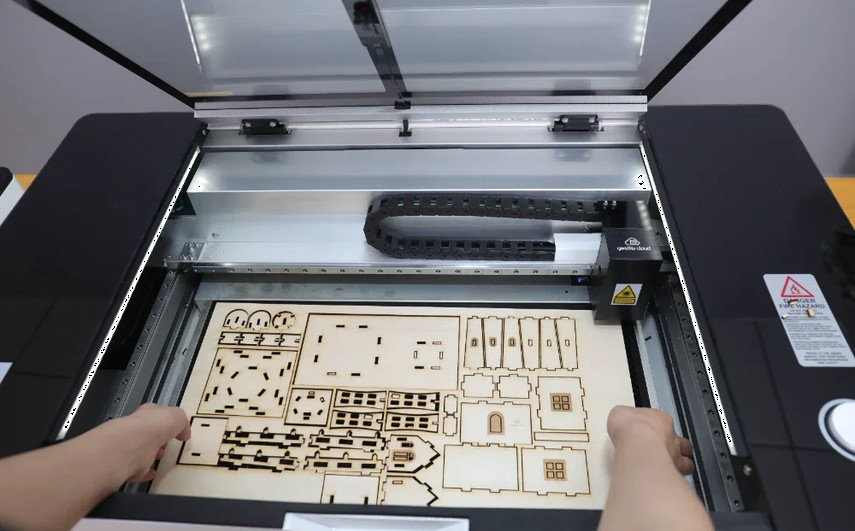
An automated laser marking system integrates a laser marking machine with robotic handling, vision alignment, conveyor feeding, and software control to mark parts without manual intervention. Unlike standalone benchtop markers, automated systems are designed for continuous, high-volume production environments where cycle times, repeatability, and data traceability are non-negotiable.
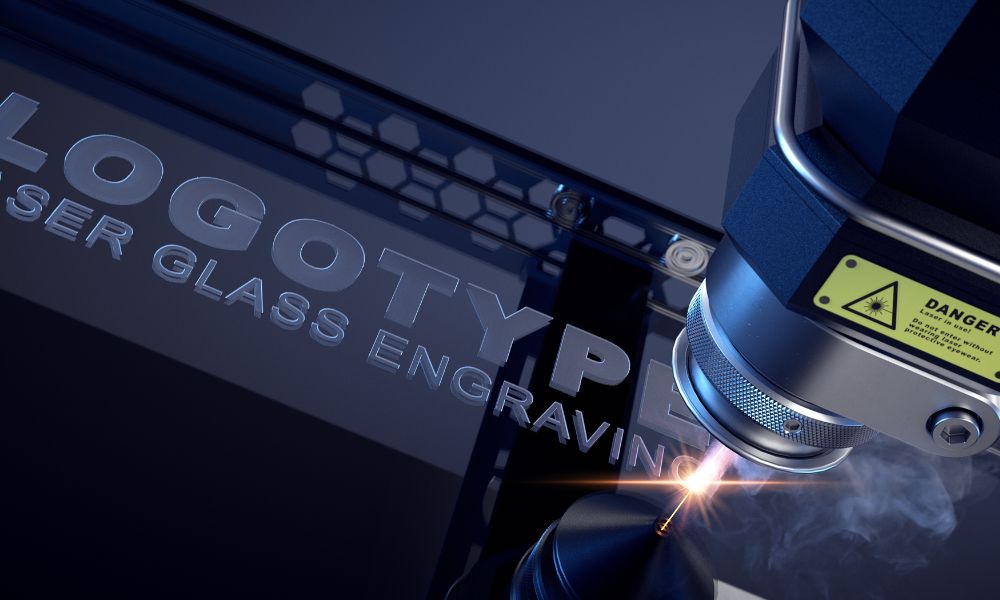
At MeykoLaser, our automated laser marking systems combine fiber laser sources (20W–100W), precision galvanometer scanners, and PLC-controlled automation to deliver permanent marks on metals, plastics, ceramics, and composites. Each system is engineered at our factory to meet ISO 9001 quality standards and is fully customizable for inline integration with existing production lines.
Core Components of an Automated System
- Laser Source: Fiber lasers (20W–100W) for metals and engineered plastics; UV lasers (3W–10W) for sensitive materials like silicone and glass.
- Galvanometer Scanner: High-speed scanning heads achieving marking speeds up to 7,000 mm/s with positioning accuracy of ±0.01 mm.
- Automation Interface: PLC integration (Siemens, Mitsubishi, Allen-Bradley), conveyor belt or rotary indexing table, and robotic pick-and-place compatibility.
- Vision System: CCD camera for automatic part alignment, OCR verification, and barcode/2D code grading per ISO/IEC 15415.
- Software: MeykoLaser proprietary marking software with database connectivity (SQL, MES/ERP integration), variable data marking, and audit trail logging.
Key Specifications to Evaluate When Choosing a Factory
Not all automated laser marking system factories deliver the same level of engineering quality or after-sales support. Procurement managers should benchmark factories against the following technical and commercial criteria.
1. Laser Power and Material Compatibility
Laser power directly determines marking speed, depth, and material range. Below is a reference table based on MeykoLaser's production data:
| Laser Power | Best For | Marking Speed | Typical Applications |
|---|---|---|---|
| 20W Fiber | Stainless steel, aluminum, anodized aluminum | Up to 5,000 mm/s | Serial numbers, logos, QR codes on metal parts |
| 30W Fiber | Hardened steel, titanium, coated metals | Up to 6,000 mm/s | Deep engraving, automotive VIN marking |
| 50W Fiber | High-contrast marks on reflective metals | Up to 7,000 mm/s | Aerospace component ID, heavy-duty industrial parts |
| 100W Fiber | High-speed deep engraving, batch marking | Up to 7,000 mm/s | Oil & gas components, large-format marking |
| 3W–10W UV | Plastics (ABS, PC, POM), glass, silicone | Up to 3,000 mm/s | Medical device UDI, electronic component marking |
A reputable factory like MeykoLaser provides material testing reports and sample marking services before purchase, ensuring the selected power and wavelength match your specific substrates.
2. Automation and Integration Capabilities
Full automation requires seamless communication between the laser marker and your production line. Key integration features to verify include:
- PLC Communication: Support for Profinet, EtherNet/IP, or Modbus TCP protocols.
- Conveyor Integration: Adjustable belt speed (0.5–10 m/min), part detection sensors, and reject stations for failed marks.
- Rotary Indexing: Multi-station rotary tables for simultaneous loading/unloading and marking, reducing cycle time by up to 40%.
- Robotic Loading: Compatibility with 6-axis robots (Fanuc, ABB, KUKA) for complex part geometries.
MeykoLaser's engineering team provides custom automation design based on your line layout, including 3D simulation and cycle time analysis before manufacturing begins.
3. Marking Quality and Compliance
For regulated industries, marking quality is not optional. Automated systems must produce marks that pass:
- ISO/IEC 15415 — Barcode/2D code print quality grading (Grade A or B required for medical and automotive).
- UDI Compliance — FDA-mandated direct part marking on medical devices.
- SAE AS9132 — Aerospace part identification standards.
MeykoLaser systems include inline vision verification that grades every mark in real time, automatically rejecting non-conforming parts and logging data for audit purposes.
Price Ranges and Total Cost of Ownership
Understanding the investment required for an automated laser marking system helps procurement teams budget accurately. Pricing varies based on laser power, automation complexity, and software features.
| System Configuration | Price Range (USD) | Best For |
|---|---|---|
| Semi-Automatic (Manual Load + Auto Mark) | $8,000 – $15,000 | Low-volume production, R&D labs |
| Inline Conveyor System (20W–30W) | $18,000 – $35,000 | Medium-volume automotive/electronics |
| Full Automation (Robot + Vision + PLC) | $40,000 – $85,000 | High-volume, multi-shift production |
| Custom Multi-Station Rotary System | $60,000 – $120,000+ | Aerospace, medical device mass production |
Beyond the initial purchase price, consider total cost of ownership (TCO). Fiber lasers from MeykoLaser have a rated lifespan of 100,000+ hours with minimal maintenance, no consumables, and energy consumption of only 0.5–1.5 kW. Compared to inkjet or chemical etching, laser marking reduces per-part marking cost by 60–80% over a 5-year period, according to internal TCO analyses conducted with our clients.
Why Choose MeykoLaser as Your Automated Laser Marking System Factory
With over 15 years of experience in industrial laser equipment manufacturing, MeykoLaser has delivered automated marking solutions to clients in 40+ countries. Our factory operates under ISO 9001:2015 certification, and every system undergoes 72-hour continuous burn-in testing before shipment.
Key advantages of partnering with MeykoLaser include:
- Factory-Direct Pricing: No middleman markups — you buy directly from the manufacturer at competitive rates.
- Custom Engineering: Every system is tailored to your part geometry, material, and production volume.
- Sample Marking Service: Send us your parts; we provide free marking samples and a detailed feasibility report.
- Global After-Sales Support: Remote diagnostics via TeamViewer, on-site installation, and 2-year warranty with lifetime technical support.
- Fast Lead Time: Standard systems ship within 15–20 business days; custom automation within 30–45 days.
Our clients include Tier 1 automotive suppliers, medical device OEMs, and electronics contract manufacturers who require zero-defect marking at production speeds exceeding 500 parts per hour.
Industries and Applications
Automated laser marking systems from MeykoLaser serve a wide range of industries:
- Automotive: VIN numbers, part numbers, date codes on engine blocks, transmission housings, and brake components.
- Electronics: PCB serialization, connector marking, and IC package identification.
- Medical Devices: UDI-compliant direct part marking on surgical instruments, implants, and disposable devices.
- Aerospace: Permanent identification on turbine blades, fasteners, and structural components per AS9132.
- Consumer Goods: Brand logos, batch codes, and anti-counterfeiting marks on packaging and products.
How to Get Started with MeykoLaser
Selecting the right automated laser marking system factory begins with a detailed consultation. MeykoLaser's sales and engineering team will work with you to:
- Analyze your part materials, geometries, and production volume.
- Provide free sample marking and a technical feasibility report.
- Recommend the optimal laser power, automation configuration, and software features.
- Deliver a transparent quotation with itemized pricing and lead time.
- Support installation, operator training, and ongoing maintenance.
Contact MeykoLaser today to request a free consultation and sample marking. Our team is ready to help you find the perfect automated laser marking solution for your production line.
Email: sales@meyko.cn | Website: www.meyko.cn
Frequently Asked Questions
What is the typical price range for an automated laser marking system?
The price of an automated laser marking system depends on laser power, automation complexity, and software features. Semi-automatic systems with manual loading start at approximately $8,000–$15,000. Inline conveyor-based systems with 20W–30W fiber lasers range from $18,000–$35,000, suitable for medium-volume automotive and electronics production. Fully automated systems with robotic loading, vision verification, and PLC integration cost between $40,000–$85,000. Custom multi-station rotary systems for high-volume aerospace or medical device manufacturing can range from $60,000–$120,000+. MeykoLaser provides factory-direct pricing with no middleman markups, and every quotation includes itemized costs for transparent budgeting.
What materials can an automated laser marking system process?
Automated laser marking systems from MeykoLaser are compatible with a broad range of materials. Fiber laser systems (20W–100W) effectively mark stainless steel, carbon steel, aluminum, anodized aluminum, titanium, copper, brass, and coated metals. UV laser systems (3W–10W) are optimized for sensitive materials including ABS, polycarbonate (PC), POM, silicone, glass, and ceramics. The system can produce high-contrast serial numbers, QR codes, DataMatrix codes, logos, and deep engravings depending on the laser source and power selected. MeykoLaser offers free sample marking services to verify compatibility with your specific substrates before purchase.
How does an automated laser marking system integrate with existing production lines?
MeykoLaser's automated laser marking systems are designed for seamless integration with existing manufacturing lines. They support standard industrial communication protocols including Profinet, EtherNet/IP, and Modbus TCP, enabling direct connection to Siemens, Mitsubishi, or Allen-Bradley PLCs. The system can be configured with conveyor belt interfaces (adjustable speed from 0.5–10 m/min), part detection sensors, and automatic reject stations for non-conforming marks. For complex applications, the system integrates with 6-axis industrial robots from Fanuc, ABB, or KUKA for automated part loading and unloading. MeykoLaser's engineering team provides custom automation design, including 3D line layout simulation and cycle time analysis, to ensure the marking system fits your production workflow without bottlenecks.
What is the expected lifespan and maintenance requirement of a fiber laser marking system?
Fiber laser sources used in MeykoLaser systems have a rated operational lifespan exceeding 100,000 hours, which translates to approximately 10–15 years of continuous industrial use. Unlike CO2 lasers or inkjet systems, fiber lasers have no consumables such as ink, toner, or gas, and require minimal routine maintenance. The primary maintenance tasks include periodic cleaning of the protective lens and galvanometer mirrors, which can be performed by operators in under 15 minutes. MeykoLaser provides comprehensive operator training during installation and offers remote diagnostics via TeamViewer for rapid troubleshooting. Each system comes with a 2-year warranty and lifetime technical support, ensuring maximum uptime and return on investment.
Can the system mark 2D codes and barcodes that meet industry quality standards?
Yes. MeykoLaser's automated laser marking systems are engineered to produce high-quality 2D codes (DataMatrix, QR Code) and barcodes that meet ISO/IEC 15415 print quality grading standards, achieving Grade A or Grade B ratings required by automotive and medical device regulations. The integrated inline vision system performs real-time code verification and grading on every part, automatically rejecting components that fall below the specified quality threshold. All marking data, including code content, grade results, and timestamps, is logged in a database for full traceability and audit compliance. This capability is essential for manufacturers subject to FDA UDI requirements, automotive IMDS traceability, or aerospace AS9132 part identification standards.